
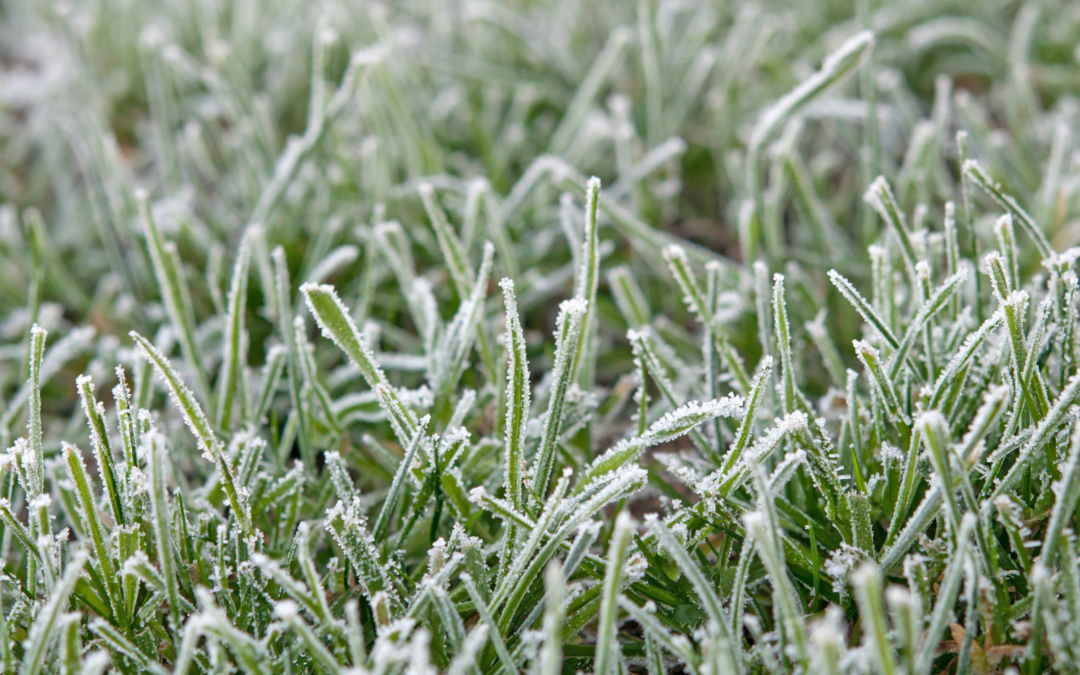
Winter Lawn Care in North Carolina: What to Do and What to Skip
Winter lawn care in North Carolina mostly comes down to doing a few small things well and skipping the rest. Keep leaves and debris off the grass, water only when the soil dries out, and hold your fertilizer until spring. Your lawn is resting, not dying, and a lazy...
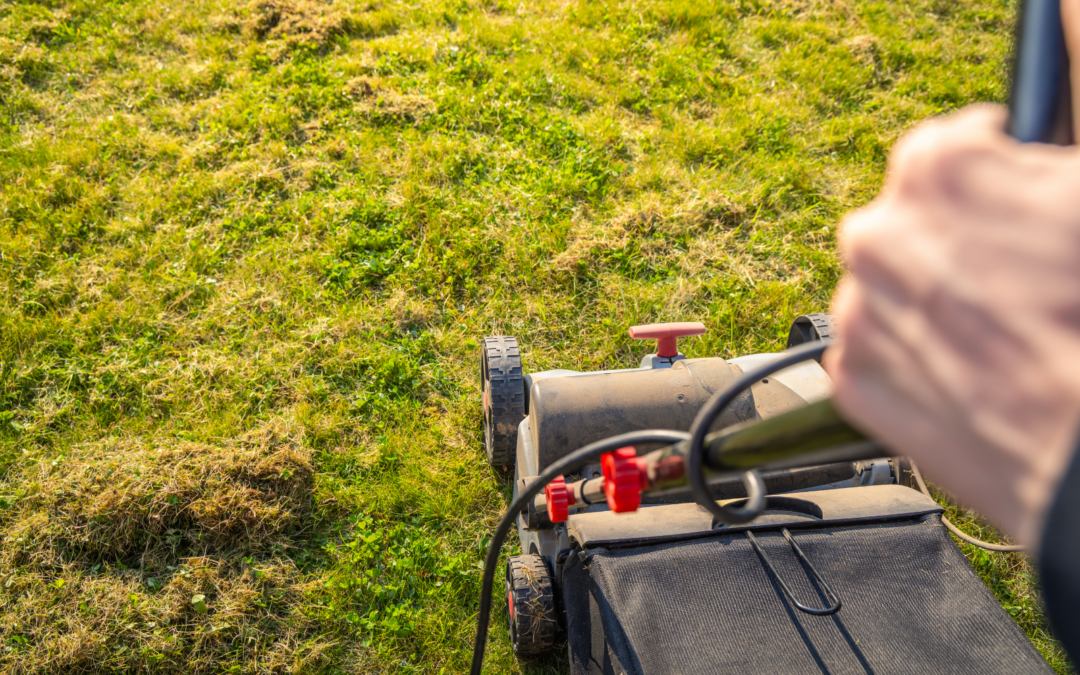
When to Aerate Lawn in North Carolina: A Simple Seasonal Guide
The best answer on when to aerate lawn grass in North Carolina depends on your grass type. Bermuda, zoysia, and centipede lawns do best with aeration in late spring or early summer, while fescue lawns do best in fall. If you are reading this in late October, that...
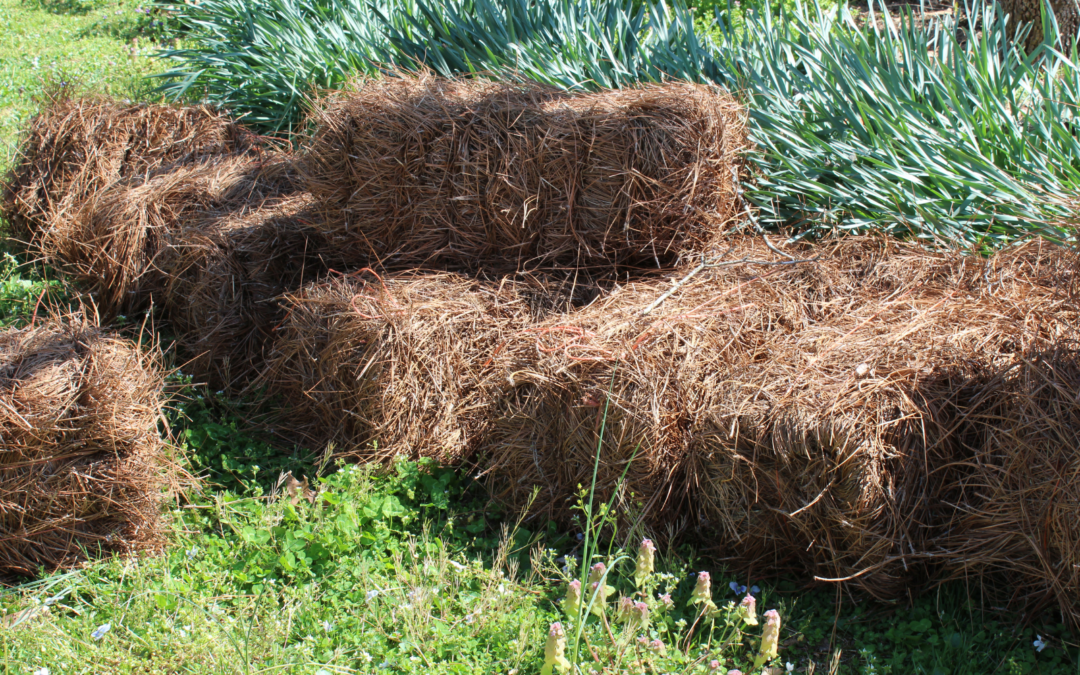
Pine Straw vs Mulch: Which Is Better for Your North Carolina Yard?
Pine straw vs mulch comes down to your yard, your budget, and how often you want to refresh your beds. Pine straw costs less, spreads fast, and grips slopes. Shredded hardwood or pine bark mulch lasts longer and gives beds a crisp, finished look. Both materials hold...
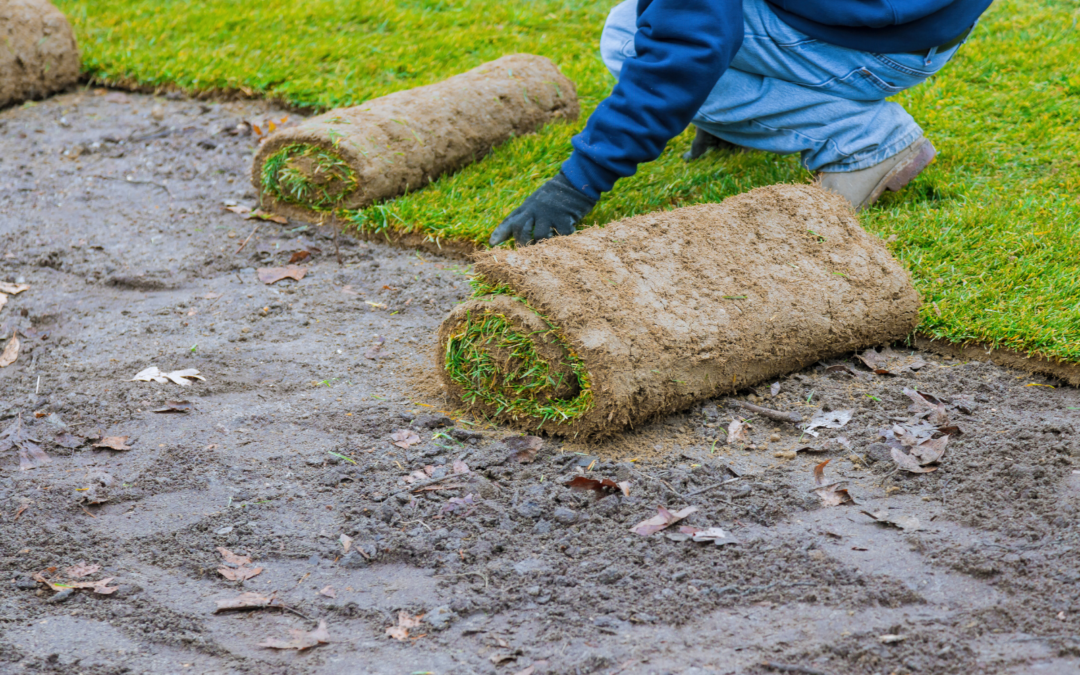
Can You Lay Sod in the Winter? What North Carolina Homeowners Should Know
Yes, you can lay sod in the winter in North Carolina, as long as the ground is not frozen. Tall fescue sod handles cool weather well. Bermuda, zoysia, and centipede go down as dormant sod and carry more risk until spring. Dormant sod will not root much until the soil...
Your Fall Lawn Care Schedule for a Thicker North Carolina Yard
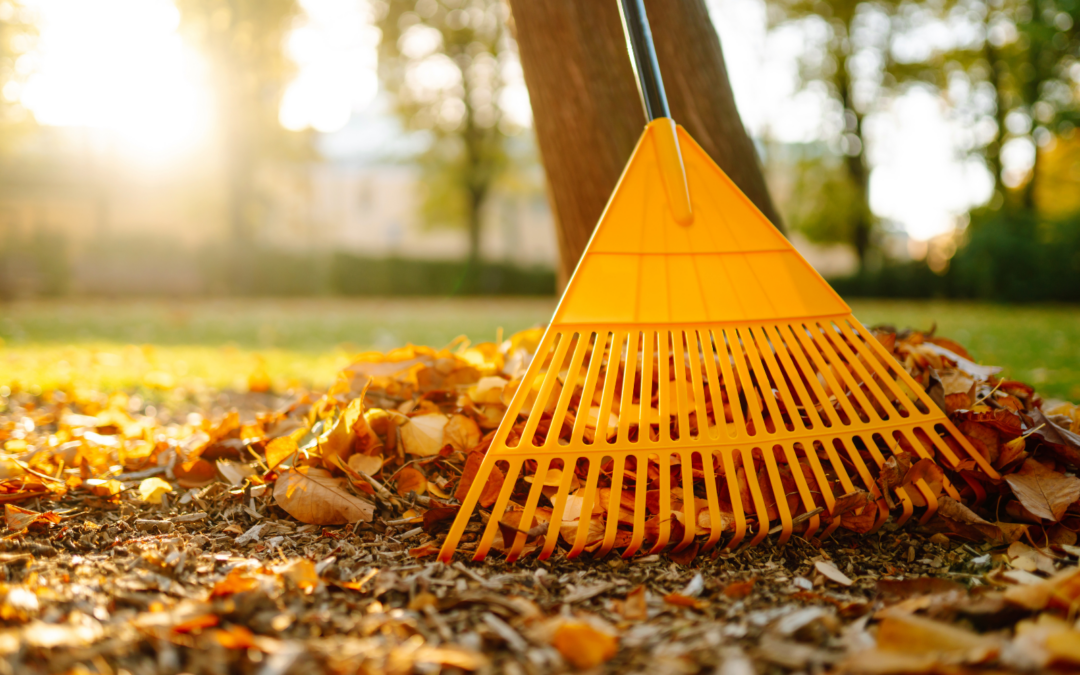
A fall lawn care schedule in North Carolina runs from early September through late November, and the order matters more than the effort. Aerate and overseed first, feed the lawn in mid September, keep mowing while the grass is still growing, stay ahead of the leaves,...
How to Get Rid of Moss in Lawn Areas and Keep It From Coming Back
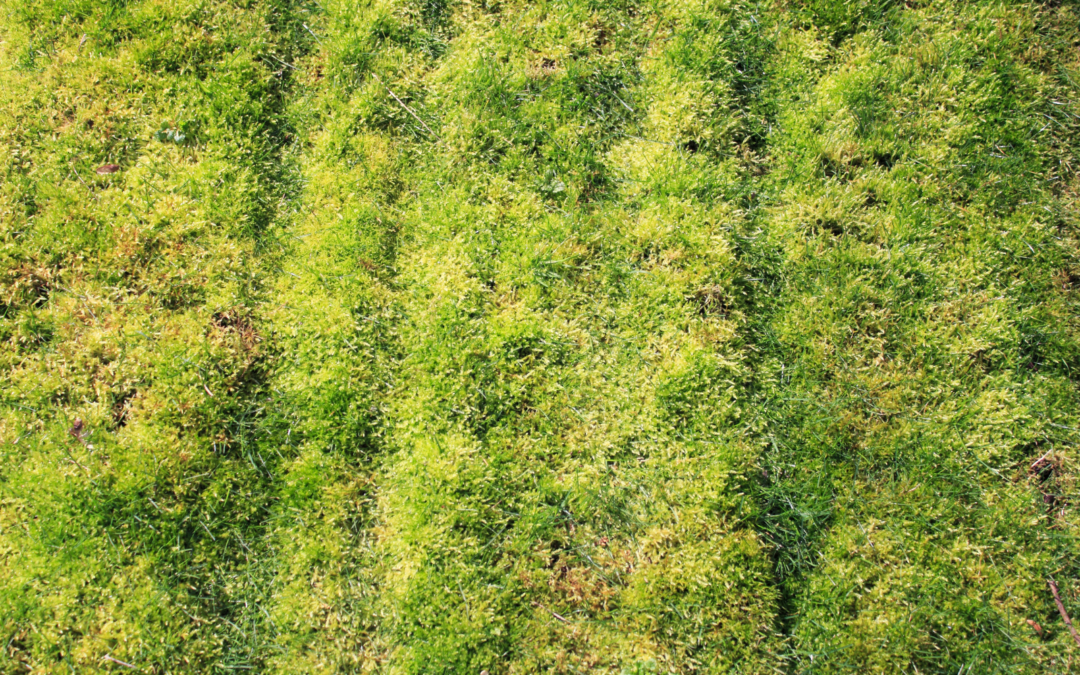
Learning how to get rid of moss in lawn areas starts with a hard truth: the moss is not the problem. Moss shows up where grass has already given up, and it stays until you fix whatever made the grass quit. You can rake it out, burn it off with iron, or scrape it away...

When to Cut New Grass: Tips for North Carolina’s Piedmont Area
Cut new grass when it reaches about 50% above its recommended mowing height and the soil is firm enough to support the mower. For example, mow tall fescue to 3 inches when it reaches approximately 4.5 inches. For new sod, wait until the roots resist gentle lifting and...

Best Privacy Shrubs in the Piedmont: Enhance Your Home’s Appeal
The best privacy shrubs for North Carolina’s Piedmont keep dense foliage at the height you need and fit your yard at maturity. Evergreen options include Schip laurel and taller loropetalum cultivars. Green Giant arborvitae, an evergreen tree, suits larger spaces....
Brown Patch Fungus: Why Your Lawn Turns Tan In Summer
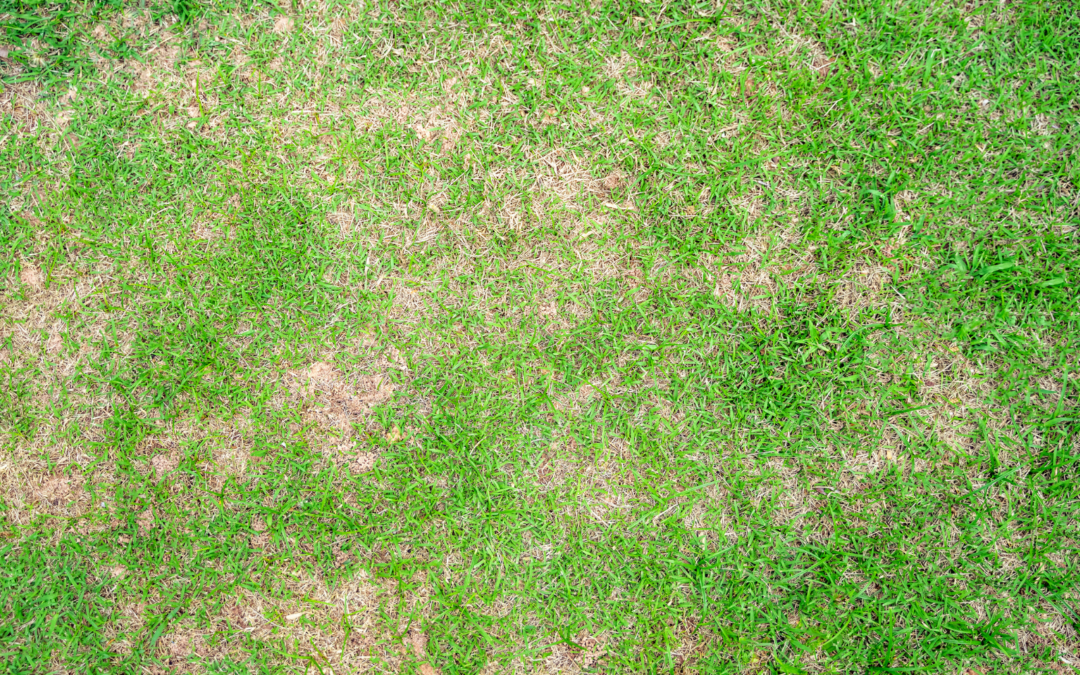
Brown patch fungus is a lawn disease caused by a soil fungus called Rhizoctonia solani. It turns healthy tall fescue into rough circles of tan, straw colored grass in a matter of days. Did your yard look perfect in May and now show scorched looking rings? This is...