
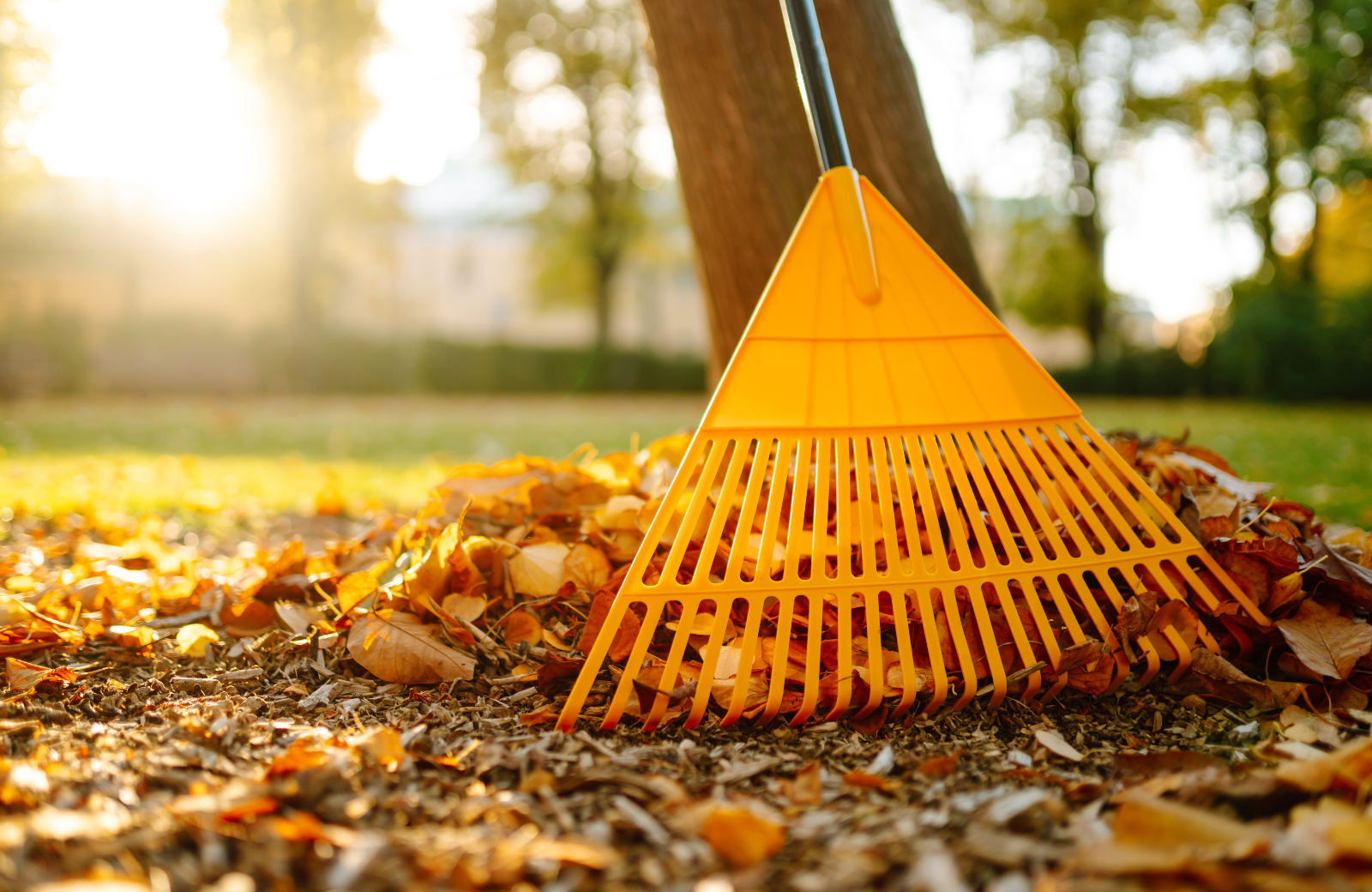
A fall lawn care schedule in North Carolina runs from early September through late November, and the order matters more than the effort. Aerate and overseed first, feed the lawn in mid September, keep mowing while the grass is still growing, stay ahead of the leaves, then close the season with a final feeding in November.
Fall is the single most productive stretch of the year for a Piedmont lawn. The soil is still warm, the air has cooled off, and cool season grass finally gets to build roots instead of just surviving.
Here is what most yards in Johnston, Wake, and Harnett counties need this season.
- Book core aeration and overseeding for the September 1 to October 1 window.
- Get a soil test before you buy a single bag of fertilizer.
- Drop your mowing height to about 3 inches and keep cutting until growth stops.
- Clear leaves weekly once they start falling, not once in December.
- Fix low spots and drainage problems now, while there is still time for grass to fill in.
What Does a Fall Lawn Care Schedule Look Like in North Carolina?
It looks like six to eight weeks of steady, small jobs rather than one big weekend. Every task has a window, and missing the window usually costs you the whole season.
Most Piedmont lawns are tall fescue, which is a cool season grass. That single fact drives the entire calendar.
Why Fall Beats Spring for Almost Everything
Fescue roots grow hardest when soil is warm and air is cool. September and October give you both at the same time, which spring never does.
Seed planted in the fall gets two cool seasons to establish before it faces its first July. Seed planted in April gets about six weeks before the heat arrives.
Weeds are also on the back foot in autumn. Crabgrass is finishing its life cycle, so new fescue does not have to fight for space the way it does in spring.
Your Month by Month Fall Lawn Care Schedule
Use this as a working calendar. Shift it a week either direction based on your own weather and how much shade your yard carries.
| Window | Main Job | Why It Matters Now |
|---|---|---|
| Late August | Soil test, book aeration, order seed | Good crews fill up fast and seed sells out locally |
| September 1 to October 1 | Core aerate, overseed, apply starter fertilizer | The prime establishment window for the Piedmont |
| Mid September | Apply nitrogen at the recommended rate | Feeds new seedlings and thickens existing turf |
| September to October | Light, frequent watering for new seed | Seedlings die fast if the surface dries out |
| October | Begin weekly leaf clearing, keep mowing | Matted leaves smother new grass in days |
| Late October to November | Broadleaf weed control on established turf | Chickweed and henbit germinate now |
| November | Final feeding, final cuts, final leaf pass | Stores energy for a faster spring green up |
| Late November | Grading and drainage repairs | Dormant season work does not disturb active turf |
When Should You Aerate and Overseed in the Piedmont?
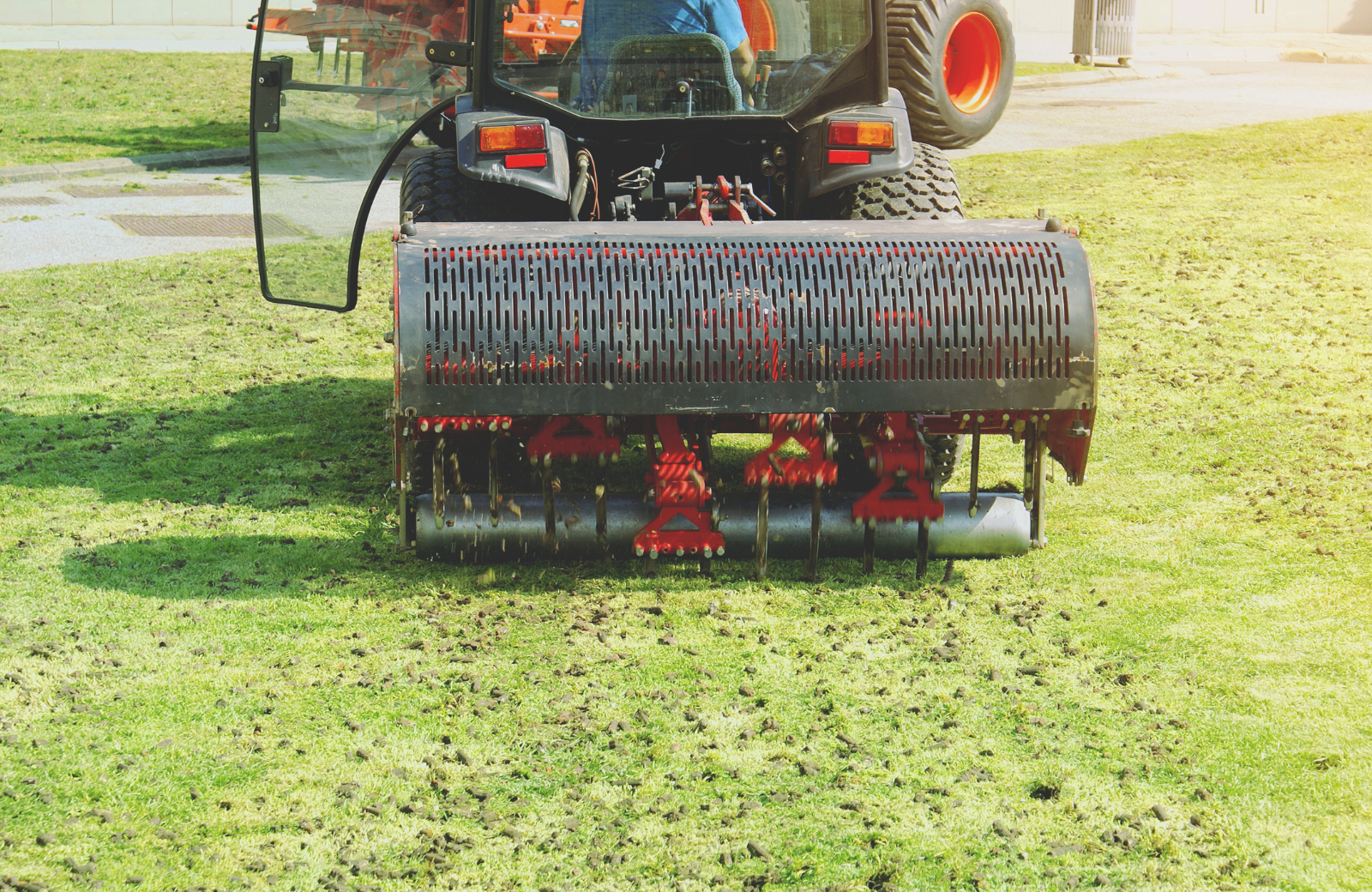
Between September 1 and October 1. That window comes straight from the turf specialists at NC State, and we plan our whole fall schedule around it.
Their Tall Fescue Lawn Maintenance Calendar tells Piedmont and coastal plain homeowners to overseed thin areas as the weather cools, using a blend of turf type tall fescue at 6 pounds of seed per 1,000 square feet. It also recommends aerating lawns grown on clay soils, which describes almost every yard we work on.
How Core Aeration Actually Helps Clay Soil
Core aeration pulls plugs of soil out of the ground instead of just poking holes. Those open channels let air, water, and fertilizer reach roots that have been sealed off.
Piedmont clay compacts under foot traffic, mower wheels, and heavy rain. Compacted ground sheds water rather than absorbing it, which is why some yards puddle and stay thin in the same spots every year.
Leave the plugs on the surface. They break down within a couple of weeks and put that soil right back into the lawn.
How Much Seed Does Your Lawn Actually Need?
Six pounds per 1,000 square feet is the standard overseeding rate for turf type tall fescue. A full renovation on bare ground calls for more.
Measure your lawn before you shop. Guessing high wastes money, and guessing low leaves you with a thin stand that weeds move into by March.
Seed quality matters more than the price on the bag. A cheap mix full of annual ryegrass looks great in November and disappears by June.
How Do You Water New Seed Without Washing It Away?
Light and often. New seed needs the top half inch of soil to stay damp, which usually means short cycles two or three times a day.
Long, heavy watering does two bad things. It floats seed into low spots, and it runs off compacted clay before it soaks in.
Once seedlings reach mowing height, stretch the intervals and water more deeply. That teaches roots to chase moisture downward.
If overseeding is the piece you would rather hand off, our lawn seeding and aeration service covers the aeration pass, the seed, and the starter fertilizer in one visit.
How Should Your Mowing Change in the Fall?
Drop the deck slightly and keep cutting until the grass genuinely stops growing. NC State recommends mowing tall fescue at 2.5 to 3 inches through September, October, and November.
Cutting too short exposes soil to sunlight, and sunlight on bare soil is an invitation to winter weeds.
Why You Should Not Stop Mowing in October
Fescue keeps growing well into November in our area. Skipping cuts lets the canopy flop over, which traps moisture and invites disease.
Your last cut usually lands somewhere between mid November and early December. Watch the grass, not the calendar.
What Mowing Does for Your Leaf Problem
A mower with a sharp blade chops light leaf cover into pieces small enough to settle into the canopy. That works when leaf fall is thin and the grass is dry.
It stops working once leaves pile up. A thick mat blocks light, holds moisture against the crowns, and kills new seedlings within a week or two.
What Should You Do About Leaves This Fall?
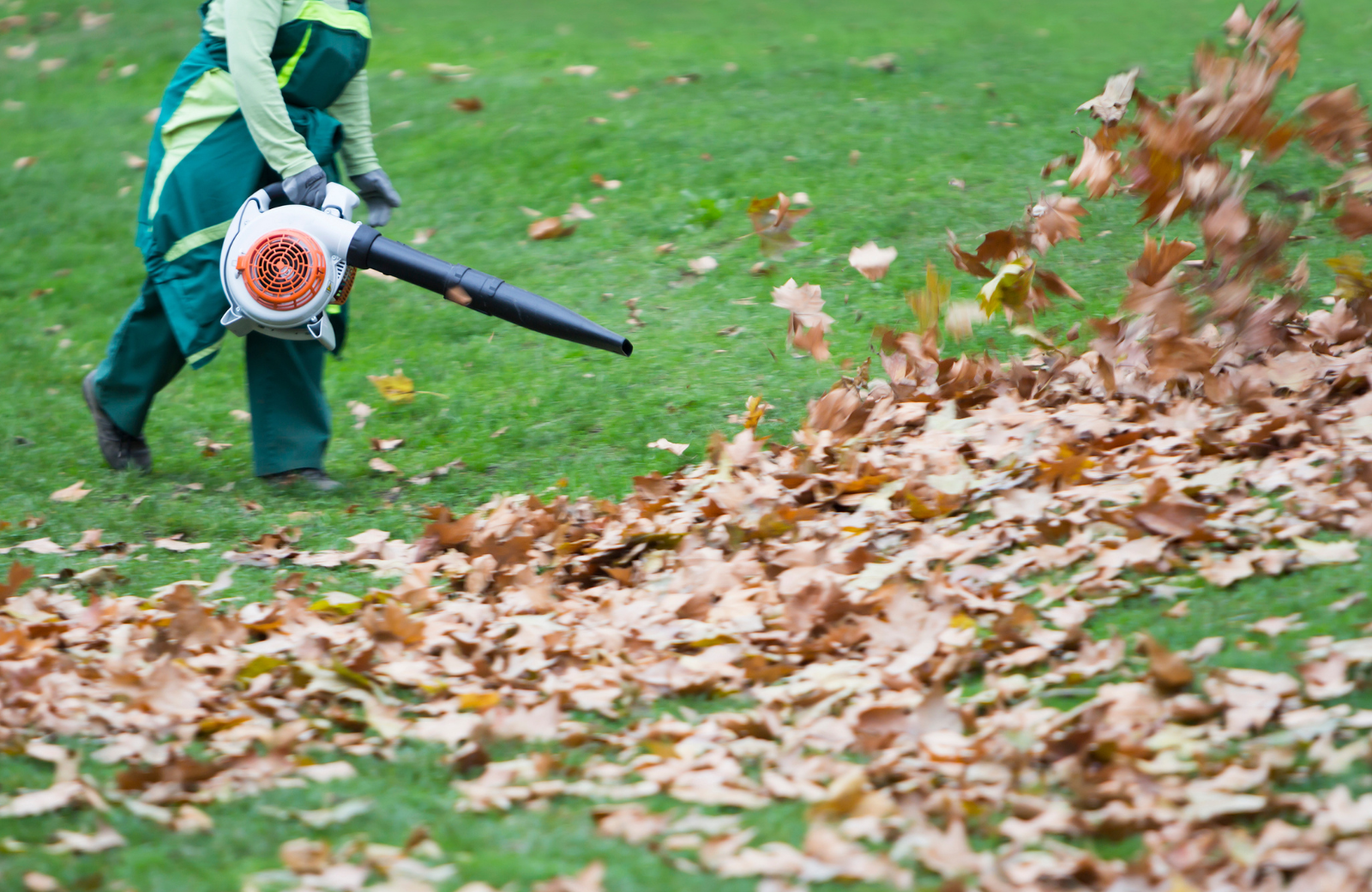
Clear them on a weekly rhythm from the first heavy drop until the trees are bare. One giant cleanup in December protects nothing.
Leaves cause the most damage exactly when new seed is trying to establish. That overlap is what turns a good September into a disappointing April.
Wet Leaves Are the Real Enemy
Dry leaves blow around and cause little harm. Wet leaves press flat and form a seal over the turf.
Under that seal you get low light, trapped humidity, and ideal conditions for fungus. Bare patches appear in the exact shape of the leaf pile.
Where the Leaves Should End Up
Beds, compost, or off the property. Never in a storm drain or a ditch line, where they clog drainage and cause standing water later.
For properties with mature trees, a scheduled route makes more sense than a single visit. Our leaf cleanup service runs on a repeat schedule through the season so the lawn never sits under a mat.
Does Fall Fertilizing Really Matter That Much?
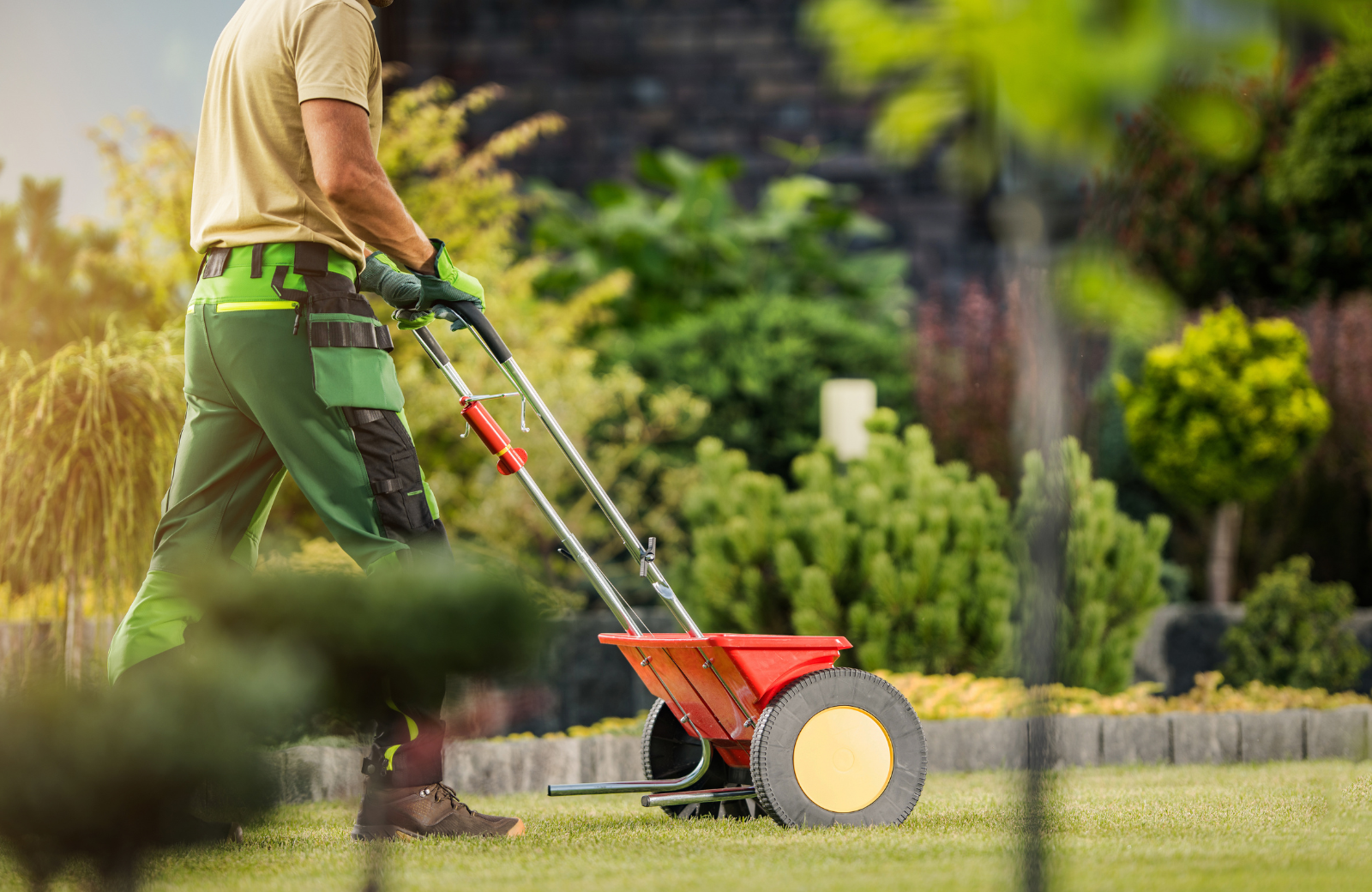
Yes, and it matters more than spring fertilizing for cool season grass. Autumn nitrogen goes into roots and stored energy rather than into fast top growth you then have to mow.
Test the Soil Before You Buy Anything
A soil test tells you what your lawn is short on. Without it you are guessing, and guessing usually means buying nutrients your yard already has.
Your county Cooperative Extension center handles soil tests, and the test is free for most of the year in North Carolina. It also reports pH, which quietly controls whether the fertilizer you apply is even available to the plant.
The Two Feeding Windows
NC State recommends 1 pound of nitrogen per 1,000 square feet in mid September, then again in November when the grass is green but no longer growing hard.
If you skip a test, they suggest a complete turf grade fertilizer in a 3 to 1 to 2 or 4 to 1 to 2 ratio. Read the first number on the bag and do the math for your square footage.
| Timing | Purpose | What You See Later |
|---|---|---|
| Mid September | Feed new seedlings and thicken turf | Faster fill in through October |
| November | Build root reserves for winter | Earlier, deeper green in spring |
| February | Wake the lawn up | Steady growth before summer stress |
How Does Watering Change After Labor Day?
You water less often, but you still water. Cooler air lowers demand, and yet a dry October will stress a lawn just as badly as a dry July.
Established fescue wants roughly an inch of water a week, from rain or from you. New seed is the exception and needs the light, frequent approach described above.
Watch the Rain Gauge, Not the Timer
Irrigation controllers do not know it rained on Tuesday. Somebody has to adjust them, and in fall that adjustment saves real money.
The EPA reports that outdoor water use accounts for more than 30 percent of total household water use on average. The same agency notes that as much as half of the water we use outdoors is lost to wind, evaporation, and runoff from inefficient systems.
That waste is easy to spot once you look for it. Water running down a driveway is water you paid for and your lawn never received.
Water Early, Not at Night
Between 2 a.m. and 8 a.m. is the window turf specialists recommend. Grass dries as the sun comes up, which cuts disease pressure.
Evening watering leaves blades wet all night. In warm, humid stretches that is how brown patch gets started.
What About Bare Spots, Low Areas, and Drainage?
Fall is the right time to fix the ground itself, not just the grass on top of it. Repairs made now have the whole cool season to knit back together.
Why Low Spots Never Fix Themselves
Water collects, soil stays saturated, and roots suffocate. The grass thins, moss and weeds move in, and the spot gets worse every year.
Regrading a low area or installing a proper drain solves the cause. Reseeding without fixing the grade just repeats the problem next season.
Traffic Lanes and Pet Areas
The path from the driveway to the back door compacts harder than anywhere else on the property. Aeration helps, but heavy traffic lanes often need sod or a design change.
Fall aeration plus overseeding gives these areas their best shot. Give them a light rope off for a few weeks if you can.
What Does a Fall Schedule Look Like for an HOA or Commercial Property?
The same calendar, scaled up and locked to dates. Larger properties fail in the fall for scheduling reasons, not agronomic ones.
Aeration and seeding on 5 acres cannot happen in one afternoon. We map out the sequence in August so every zone lands inside the September window.
Entrances and Common Areas Come First
Those areas carry the property’s reputation. Board members hear about a mossy, leaf covered entrance long before they hear about a back corner.
Leaf Routes Beat Leaf Events
A single cleanup after every tree is bare is cheaper on paper and worse in practice. Turf damage and slick sidewalks cost more than the extra visits.
Frequently Asked Questions
When should you start your fall lawn care schedule in North Carolina?
Start planning in late August and start working the first week of September. The Piedmont overseeding window runs from September 1 to October 1, and the jobs that come before it, such as a soil test and booking aeration, need lead time.
Is it too late to overseed in late October?
It is late, and the results get less reliable each week. Seed needs warm soil to germinate, and by late October soil temperatures in the Piedmont are dropping fast. If you miss the window, wait and plan a proper renovation for next fall rather than wasting seed.
Should you fertilize in the fall or wait until spring?
Fertilize in the fall. Cool season grass puts autumn nitrogen into roots and stored carbohydrates, which is exactly what carries it through the following summer. Spring feeding pushes leaf growth at the expense of root depth.
How short should you cut the grass before winter?
Around 3 inches for tall fescue. Scalping the lawn before winter exposes soil, invites winter weeds, and offers no benefit in our climate.
Do you need to aerate every single year?
Most Piedmont lawns benefit from yearly aeration because of clay soil and foot traffic. A newer lawn on loose soil with little traffic can go every other year without much loss.
Can you overseed and apply weed killer at the same time?
Usually not. Many broadleaf herbicides damage new seedlings, and preemergence products stop grass seed from germinating along with the weeds. Handle weed control on established turf and keep it away from newly seeded areas until the new grass has been mowed several times.
Ready to Get Your Yard Through Fall the Easy Way?
A fall lawn care schedule works when somebody actually runs it. That is the part we take off your plate.
What We Handle for You
We core aerate, overseed, and apply starter fertilizer inside the September window. We keep mowing until growth stops, run leaf cleanup on a repeat schedule, and fix the grading and drainage problems that keep thinning the same patches every year.
We work across Johnston, Wake, and Harnett counties, including Clayton, Fuquay Varina, and Holly Springs. Residential yards, HOA common areas, and commercial properties all run on the same calendar.
No Contracts, No Pressure
Our mowing is no contract work. You stay because the yard looks right, not because a document says you have to.
We would rather earn the next visit than lock you into twelve of them.
Get Your Free Quote
Call us at (919) 673-3956 and we will walk your property, look at what the lawn is actually telling us, and give you a plan for the rest of the season.
You can also request a free quote online and we will get back to you. Fall moves quickly in the Piedmont, and the best windows close before most people think about them.