

Winter lawn care in North Carolina mostly comes down to doing a few small things well and skipping the rest. Keep leaves and debris off the grass, water only when the soil dries out, and hold your fertilizer until spring.
Your lawn is resting, not dying, and a lazy winter plan is often the right plan. A few smart moves now set up a greener yard when the weather warms.
Quick Takeaways Before the Cold Sets In
- Do not fertilize Bermuda or zoysia lawns in winter.
- Remove leaves and debris so the lawn greens up earlier and more evenly in spring.
- Water only during dry spells, and never let the soil go powder dry.
- Pull winter weeds like chickweed and henbit early, before they spread.
- Stay off frosty grass and keep heavy traffic away from dormant turf.
Do This Today
- Check whether your grass is tan and dormant or still green, so you know which plan to follow.
- Clear fallen leaves off the lawn this week, and again every couple of weeks until they stop falling.
- Walk the yard after the next rain and note any spots where water stands.
- Put the fertilizer away until late winter or spring, depending on your grass.
- Call us at 919.673.3956 if the leaf pile is bigger than your weekend.
What Does Winter Lawn Care Really Involve?
Winter lawn care involves light mowing as needed, leaf removal, occasional watering, and early weed control. It does not involve heavy feeding, aggressive trimming, or planting.
Think of it as housekeeping. You keep the yard clean, protect the grass crowns, and avoid anything that pushes growth when the plant wants to rest.
Why Does Winter Matter If the Grass Is Not Growing?
What happens in winter shows up in spring. Smothered grass under wet leaves, compacted frozen soil, and weeds that go unchecked all become spring problems.
A clean, lightly maintained lawn wakes up faster and fills in more evenly.
Does a Dormant Lawn Still Need Care?
Yes, but much less of it. Dormant grass is alive, so it still needs protection from smothering debris, extreme drought, and heavy foot traffic.
Most lawns across Johnston County are Bermuda, zoysia, centipede, or fescue. The first three turn tan in winter, while fescue stays mostly green.
What Winter Looks Like for Common North Carolina Grasses
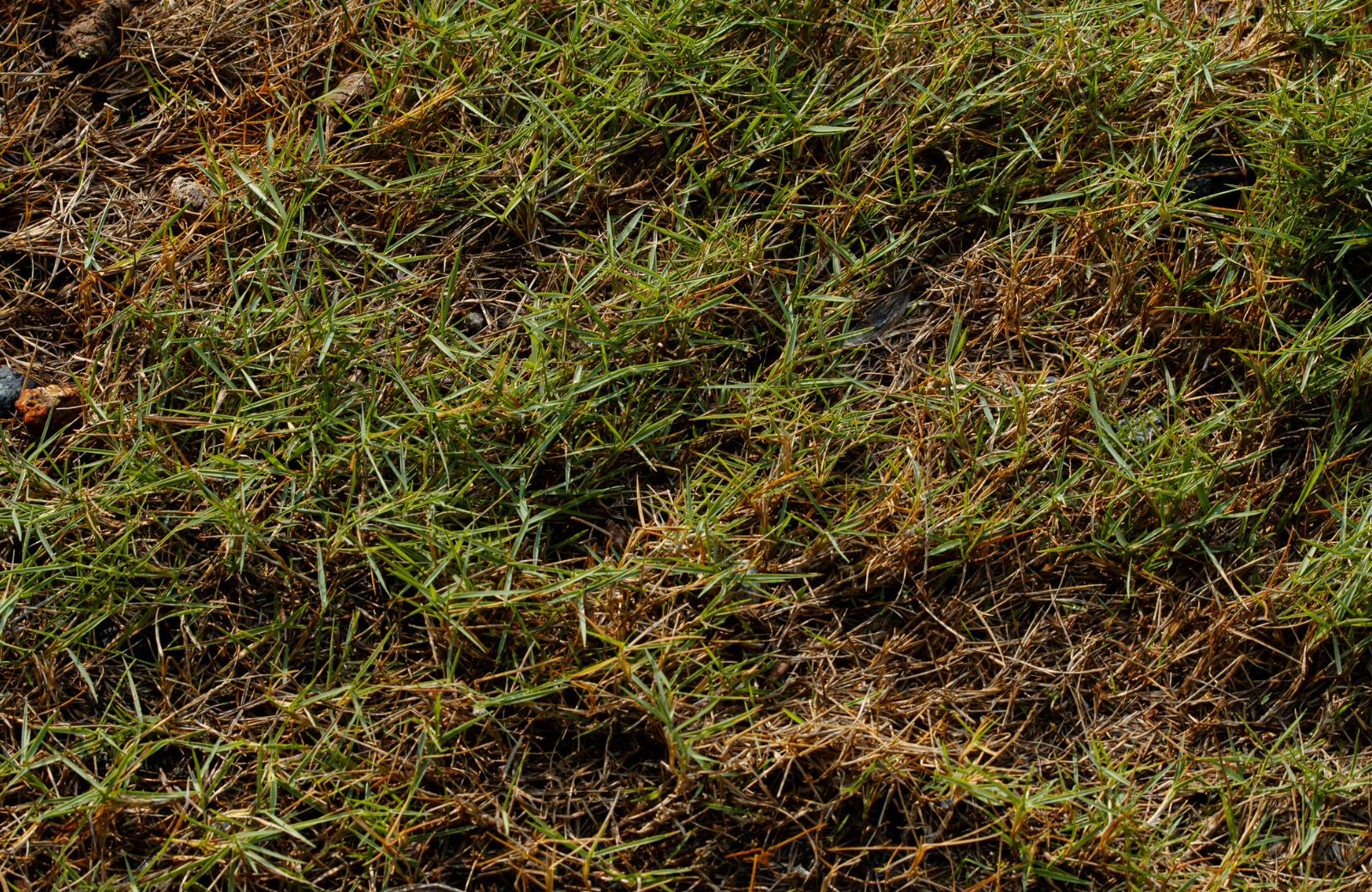
How Do You Tell Dormant Grass From Dead Grass?
| Grass Type | Winter Appearance | Winter Care Level |
|---|---|---|
| Bermuda | Tan and dormant | Low: clean up, no feeding |
| Zoysia | Tan and dormant | Low: clean up, no feeding |
| Centipede | Tan to pale | Low: clean up, limited traffic |
| Tall Fescue | Green or semi green | Moderate: mow, water, feed in February |
Tug on a handful of the tan grass in early spring. If the blades hold firm and you see green at the base, the lawn is dormant. If everything pulls out easily and the roots look brown and brittle, you may have real damage.
Should You Fertilize Your Lawn in Winter?
For Bermuda and zoysia lawns, no. The NC State Extension Bermudagrass calendar says plainly not to fertilize at this time for December through February, and it recommends sending in soil samples every two to three years to learn what the lawn needs.
The NC State Extension Zoysiagrass calendar gives the same direction for zoysia, and it also suggests testing soil every three years and adjusting pH with lime or sulfur as suggested.
What About Fescue Lawns?
Fescue follows a different clock. The NC State Extension tall fescue calendar advises feeding with 1 pound of nitrogen per 1,000 square feet in February.
That is a late winter step, not an early winter one, so there is no reason to feed in November or December.
Why Does Feeding a Dormant Lawn Backfire?
Dormant roots cannot use the food, so it can wash away or feed winter weeds instead. You waste money and sometimes make weed problems worse.
How Often Should You Mow in Winter?
Rarely. Warm season lawns stop growing, so mowing is mostly about removing leaves and debris. Fescue still grows slowly, so it needs an occasional trim.
NC State recommends mowing to remove leaves and other debris on Bermuda, and mowing fescue to 3 inches while clearing leaves and debris. Keep those blades sharp so you cut cleanly instead of tearing frosty grass.
- Mow only when you actually need to, not on a fixed schedule.
- Wait until frost has melted and the blades are dry.
- Raise the mower on fescue rather than cutting it short.
- Mulch or bag the clippings, whichever keeps leaves off the lawn.
Do You Need to Water a Dormant Lawn?
Only during dry stretches. The NC State zoysia calendar says to water occasionally if a drought occurs, and its Bermuda guidance says to make sure the soil does not get powder dry.
Winter rain covers most weeks. When we go a few weeks without it, a deep watering on a mild afternoon is enough.
When Is the Best Time of Day to Water in Winter?
Water in the middle of the day when temperatures are above freezing. That gives the water time to soak in before the night chill.
What If the Ground Is Frozen?
Skip the sprinkler. Water cannot soak into frozen soil, and ice on the lawn or driveway creates a hazard.
How Do You Handle Fallen Leaves on a Winter Lawn?
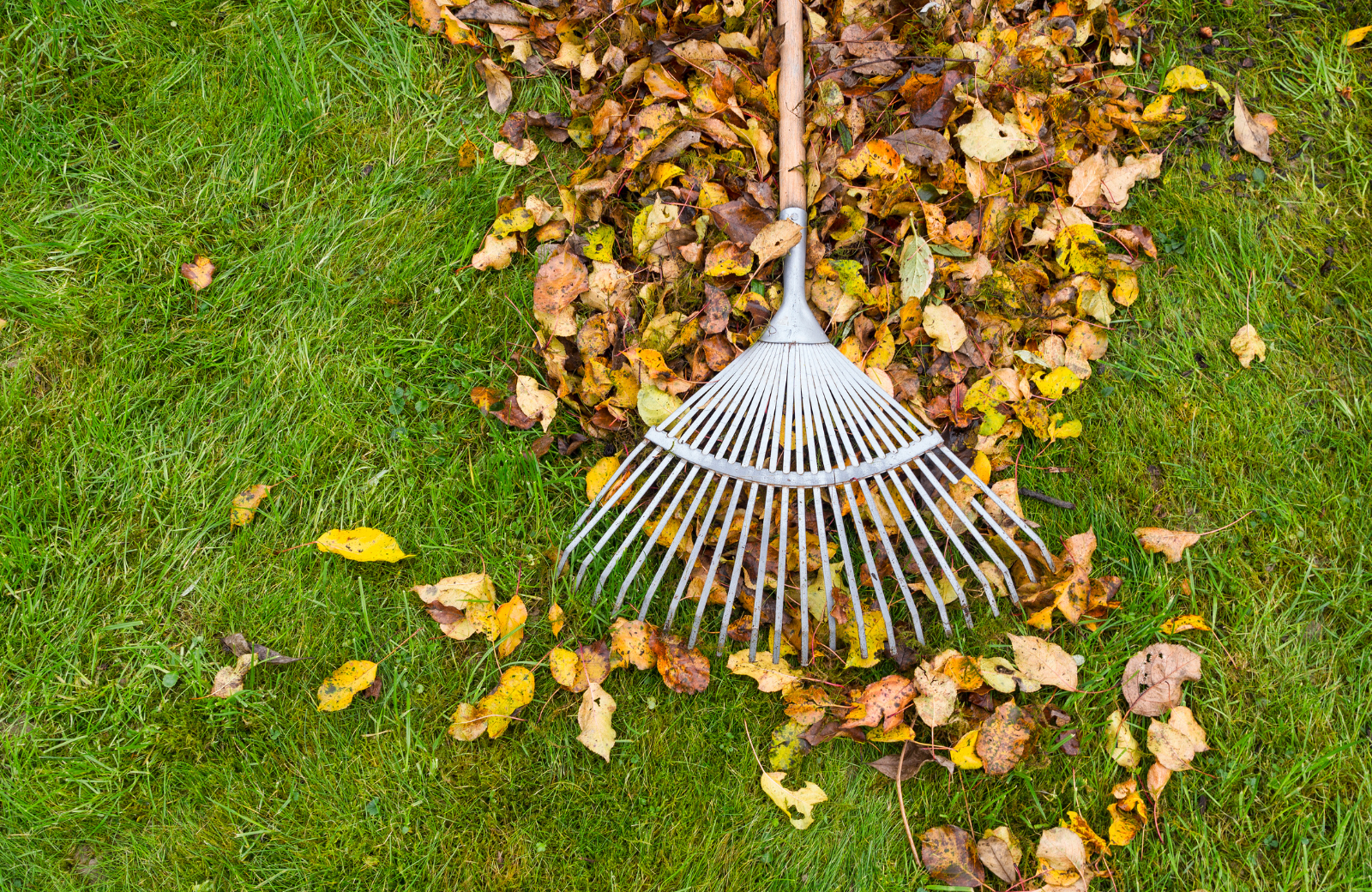
Remove them regularly. NC State notes that leaf removal helps lawns green up earlier and more consistently in spring.
A wet blanket of leaves blocks light and air and can invite disease. That is true even when the grass looks asleep.
Mulch the Leaves or Remove Them?
A thin scatter of shredded leaves can break down without harm. A thick, matted layer cannot, so it has to go.
If you have big oaks or a lot of trees, our leaf cleanup service clears the whole yard so you do not lose your weekends. We offer full service removal with flexible scheduling.
What About Pine Needles and Sticks?
Rake them off the same way. Pine needles are light, but they can pile up in thin turf, and branches left on dormant grass can leave bare marks.
What Winter Weeds Should You Watch For?
Chickweed and henbit show up in winter even when the lawn looks bare. NC State says to apply broadleaf herbicides as necessary for winter annual weeds like chickweed and henbit.
Always read the label and check that the product is safe for your grass type. If you are not sure, ask a professional before you spray.
- Pull small patches of weeds by hand while the soil is soft.
- Spot treat only the areas that need it.
- Skip weed products on frozen ground or right before a heavy rain.
- Keep a thick, healthy lawn in spring, which is your best long term weed defense.
Is a Winter Weed Treatment Different for Zoysia?
It can be. NC State suggests that zoysia lawns may need a nonselective herbicide in December or January for annual bluegrass and some broadleaf weeds. That is a precise job on dormant turf, so many homeowners hire it out to avoid hurting the lawn.
What Does a Month by Month Winter Plan Look Like?
Here is a simple schedule you can follow from late fall through the first hint of spring. Adjust it for your grass type and for your local weather.
Winter Lawn Care Plan by Month
Should You Test Your Soil in Winter?
| Month | Main Tasks | Skip This |
|---|---|---|
| November | Remove leaves, tidy beds, last fescue mow | Fertilizing warm season lawns |
| December | Weed check, occasional watering in dry weather | Heavy traffic on frosty grass |
| January | Debris cleanup, plan soil test, watch for weeds | Planting or seeding |
| February | Fescue feeding, first light mow if needed | Feeding Bermuda or zoysia |
Winter is a great time to do it. A soil test tells you what your lawn is missing, so spring fertilizer goes where it helps instead of where it does not.
Both NC State calendars recommend testing every few years, so there is no reason to guess.
Is Winter a Good Time to Tune Up Your Tools?
Yes, and it saves a headache in March. Sharpen the mower blades, change the oil, and check that your trimmer and hose fittings still work.
Spring crews and shops get busy quickly, so a quick check now means you are ready the first week the grass starts to grow.
What About Drainage and Bare Spots in Winter?
Winter shows you where your yard has problems. Standing water after a storm and soggy, thin spots point to compaction or poor grading.
Make notes now and fix them when the weather warms. Seeding and aeration are spring and fall jobs for most grasses, so use winter to plan.
Can You Walk on a Frozen Lawn?
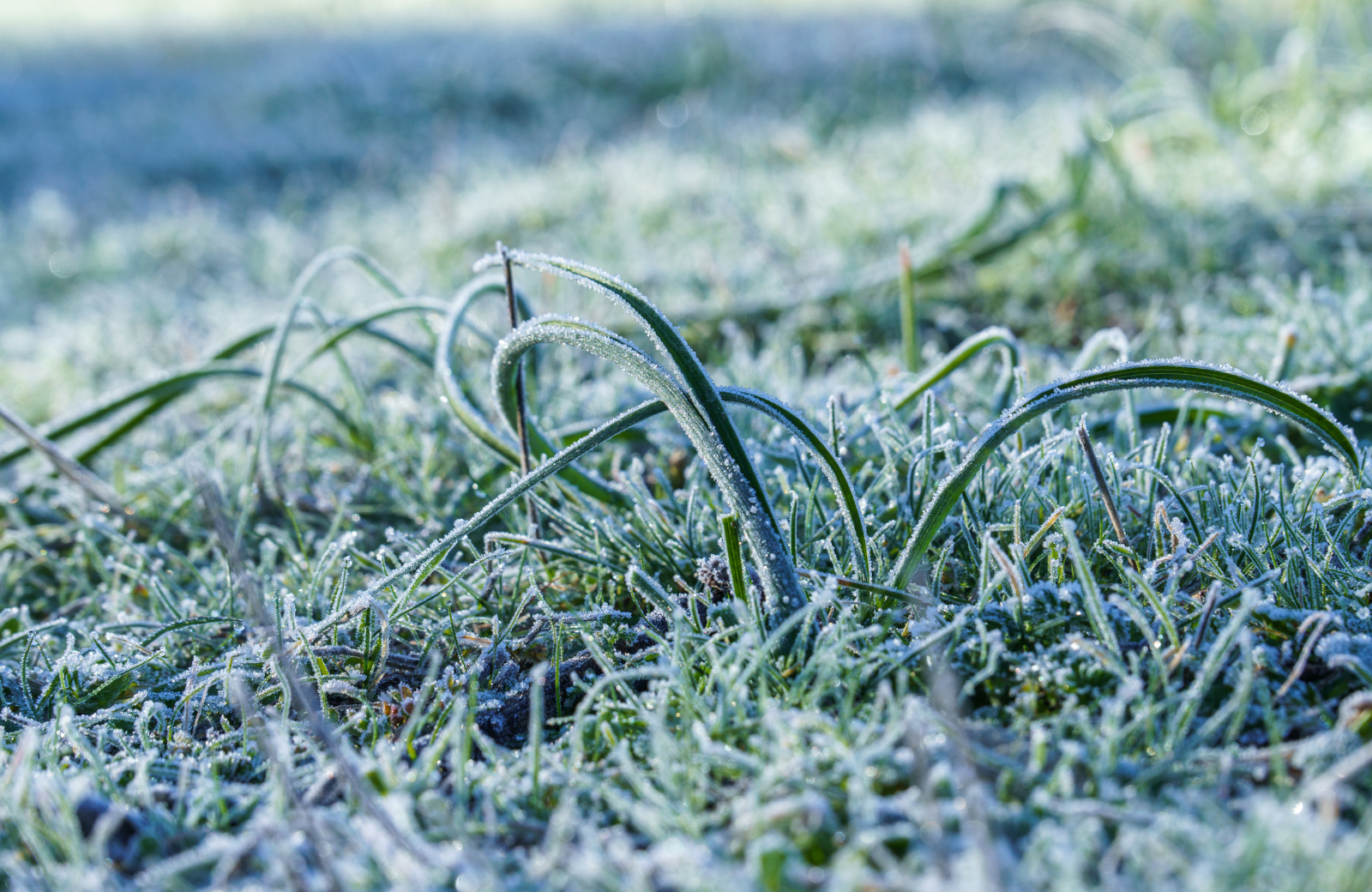
Try not to. Frosty blades are brittle, and footprints can leave brown marks that last into spring. A path of stepping stones solves the problem if you cut through the yard every day.
How Do You Get Ready for Spring Now?
Start with what you can control. Keep the lawn clean, test the soil, and book help early for the jobs that fill up fast in March.
- Sharpen or replace your mower blades.
- Schedule your spring cleanup, mulch, and seeding.
- Note any dead patches so you can repair them when growth starts.
- Plan your weed prevention for late winter based on the label and your grass type.
Do Snow and Ice Hurt Your Lawn?
A light snow cover does no harm and can even insulate the grass. Trouble starts when heavy piles sit on one spot for weeks or when salt and de icer wash onto the turf.
Shovel snow onto driveways or beds rather than stacking it on the best part of the lawn. Choose a pet and plant safe product near grass edges, and rinse salt off when the weather allows. Good habits here prevent the brown strips we often find along walks and driveways in spring.
What Winter Lawn Care Mistakes Should You Avoid?
Most winter lawn damage comes from good intentions at the wrong time. A few habits are worth dropping before the first hard freeze.
- Feeding a dormant lawn because it looks hungry.
- Letting a thick layer of wet leaves sit for weeks.
- Scalping the lawn short to tidy it up for the holidays.
- Driving or parking on soft, wet turf after a long rain.
- Spraying weed products on frozen or soaking wet ground.
Skipping those mistakes costs nothing and protects your spring green up.
How Should HOAs and Property Managers Handle Winter Lawn Care?
Shared properties follow the same rules, but the scale makes a plan more important. Entrances, common areas, and long frontage strips need a schedule so leaf cleanup, light mowing, and weed checks do not fall through the cracks.
Walk the property once a month and note problem areas like standing water, bare entrance beds, or turf worn down by foot traffic. A short list in January makes spring work faster and keeps residents happy.
How Do You Keep a Large Property Looking Neat in Winter?
Focus on the places people see first. Clear leaves from entrances and along main roads, edge beds, and keep walkways free of debris. A neat front door matters more than a perfect back corner.
Frequently Asked Questions
Should I Fertilize My Lawn in December?
Not for Bermuda or zoysia, since NC State says not to fertilize these lawns in winter. Fescue gets its winter feeding in February.
Is It Okay to Mow My Lawn in the Winter?
Yes, when it needs it. Mow when the grass is dry, keep fescue at about 3 inches, and use the mower mostly to clear leaves and debris from dormant lawns.
Do I Need to Water My Lawn in Winter?
Only during dry spells. A deep watering on a mild day is enough, and you should skip it when the ground is frozen.
Why Is My Lawn Brown in Winter?
Warm season grasses like Bermuda, zoysia, and centipede go dormant and turn tan when it cools off. That is normal, and the color returns in spring.
When Should I Start Spring Lawn Care?
Start once the weather warms and the grass begins to grow, not just on the first warm weekend. Winter prep, like cleanup and soil testing, makes spring easier.
Can I Seed or Lay Sod in Winter?
It is not the best time for most North Carolina lawns. Planning in winter and installing in the right growing season gives you better results.
Let Us Handle the Heavy Lifting This Winter
A healthy spring lawn starts with a good winter routine. We make that routine easy so you can stay warm while your yard gets what it needs.
How Can We Help?
We take care of leaf cleanup, seasonal mowing, and lawn repair planning for homeowners across Johnston County, including Smithfield, Clayton, Fuquay Varina, and Holly Springs. Our seasonal mowing has no contracts, so you only pay for what you need.
What Should You Do Next?
Call us at 919.673.3956 or visit our free quote page to ask for a free quote. We will walk through your yard, your grass type, and your goals, then build a simple plan that keeps your lawn ready for spring.