
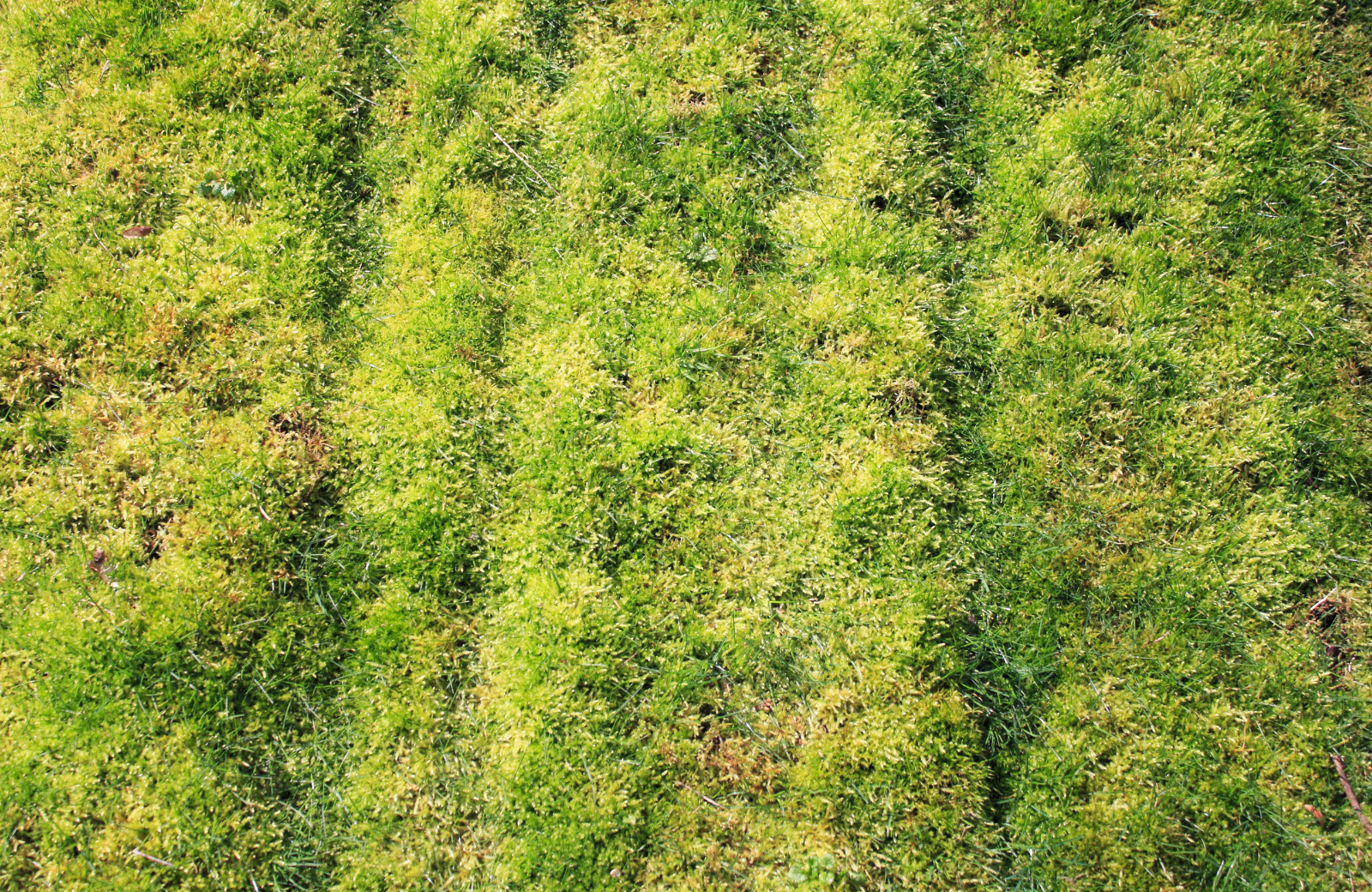
Learning how to get rid of moss in lawn areas starts with a hard truth: the moss is not the problem. Moss shows up where grass has already given up, and it stays until you fix whatever made the grass quit.
You can rake it out, burn it off with iron, or scrape it away in an afternoon. It comes back within a season unless the shade, the compaction, the drainage, or the soil pH changes.
Here is where to start this week.
- Get a soil test before you buy any product at all.
- Look up and count how many hours of direct sun that area really gets.
- Push a screwdriver into the soil to check for compaction.
- Watch the spot after the next hard rain and see how long water sits.
- Plan the repair for fall, when cool season grass can actually take hold.
Why Is Moss Growing in Your Lawn in the First Place?
Moss grows because conditions favor moss over grass. It is not aggressive and it does not attack turf.
NC State Extension is blunt about this in Moss Control in Turf, listing the usual causes as low fertility, poorly drained soils, high soil acidity, excessively wet soils, soil compaction, excessive thatch, or some combination of those. Every one of those conditions weakens grass first.
Penn State Extension reaches the same conclusion in Moss in the Lawn, associating moss with shallow rocky soils, poor fertility, low soil pH, heavy shade, and excessive moisture.
The Five Conditions Behind Almost Every Mossy Yard
In the Piedmont we see the same short list over and over. Usually two or three of them are stacked on top of each other.
- Heavy shade from mature hardwoods or the north side of a house
- Compacted clay that sheds water instead of absorbing it
- Poor drainage or a low spot that stays damp for days
- Acidic soil that locks up nutrients the grass needs
- Thin, underfed turf that never closed the canopy
Does Moss Automatically Mean Acidic Soil?
No, and this is the most common misunderstanding we run into. Moss tolerates acidic soil well, so it often appears there, but it grows perfectly happily at neutral pH too.
Plenty of mossy lawns test fine on pH. In those yards the real culprit is shade or compaction, and adding lime accomplishes nothing.
That is why the soil test comes first. It costs almost nothing and it stops you from treating the wrong problem for two years.
How Do You Get Rid of Moss in a Lawn for Good?
Work in this order: diagnose, correct the condition, remove the moss, then reestablish grass. Skipping straight to removal is why so many people fight the same patch every year.
Step One: Test the Soil
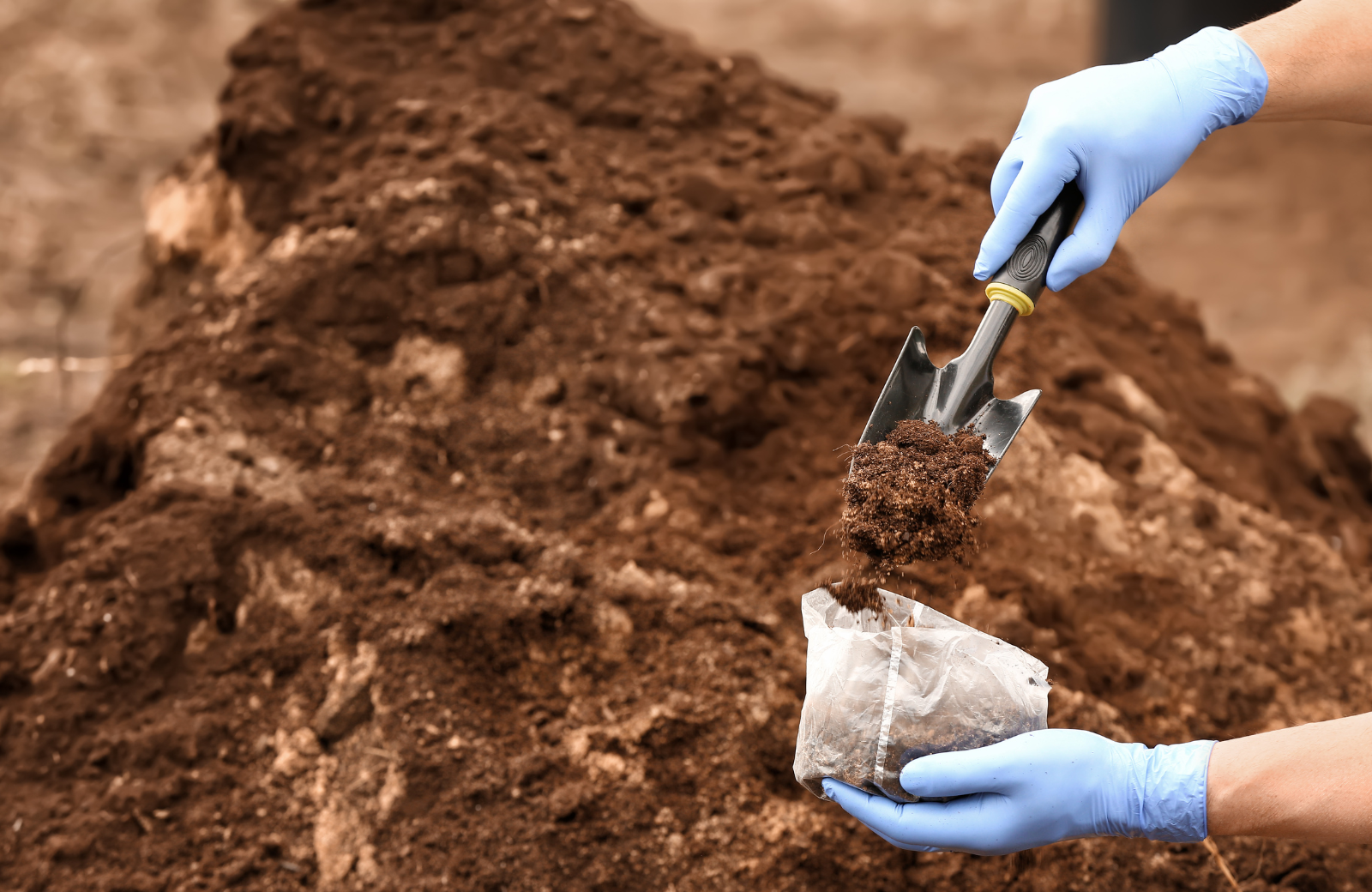
Your county Cooperative Extension center runs soil tests, and in North Carolina the test is free for most of the year. The report gives you pH and nutrient levels along with a recommendation.
Penn State calls the soil test the first step in any moss control program, and we agree. Improving fertility and pH over time helps the grass compete on its own.
Step Two: Fix the Light
Grass needs sun. Most tall fescue blends want at least four hours of direct light, and the shadier the spot, the thinner the stand.
Limbing up lower branches and thinning the canopy often buys enough light to change the outcome. Removing undergrowth also improves air movement, which dries the surface faster.
Sometimes the honest answer is that grass will never win there. A shade tolerant ground cover, a bed with mulch, or a stepping stone path beats fighting the same 200 square feet forever.
Step Three: Fix Compaction and Drainage
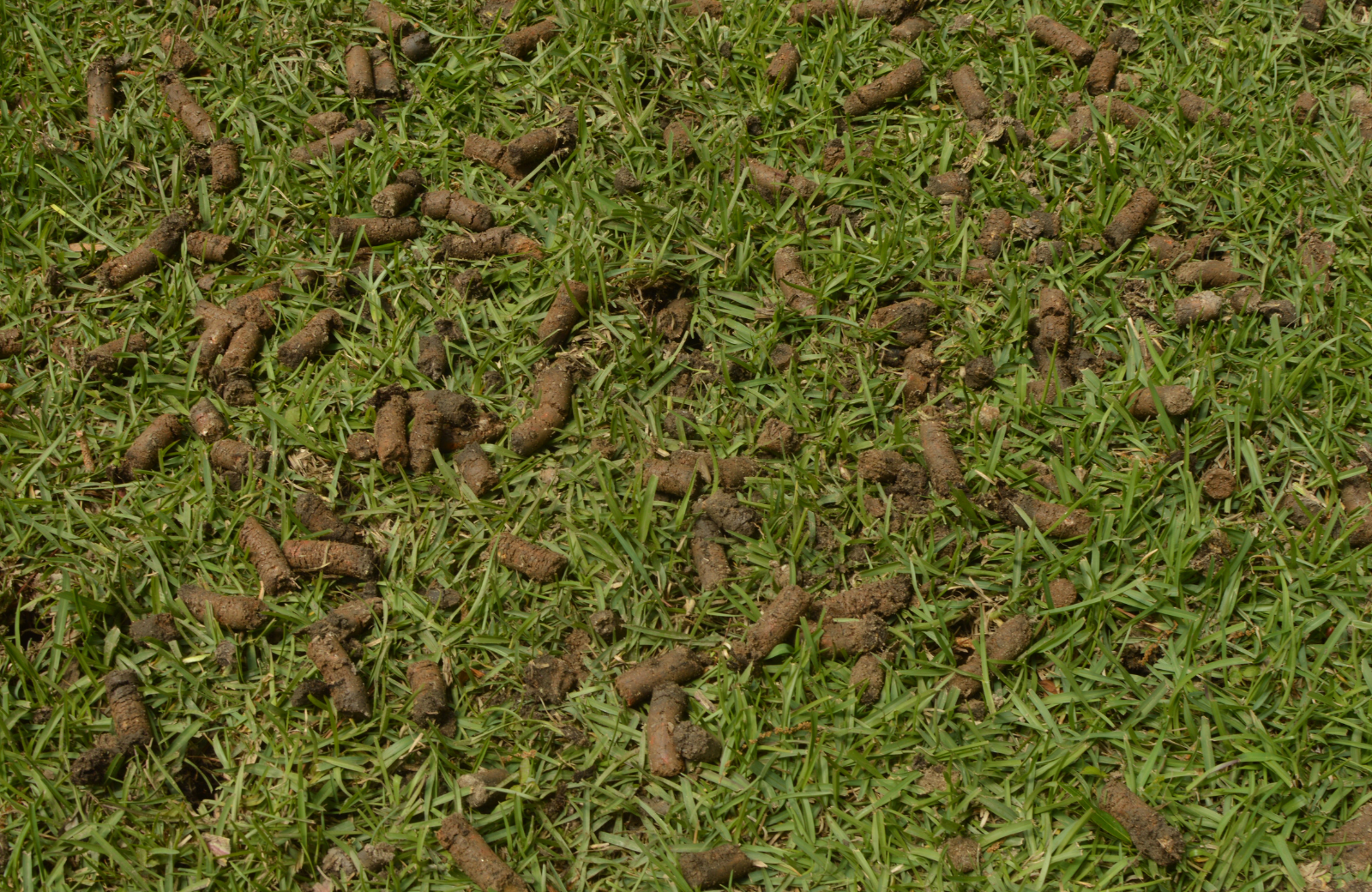
Core aeration opens compacted clay so air and water reach the root zone. It is the single most useful mechanical step in most Piedmont yards.
Drainage is a bigger job when water is genuinely pooling. Regrading the area, correcting a downspout, or installing a drain line addresses the cause rather than the symptom.
If water sits in the same place after every storm, that is a grading problem wearing a moss costume. Our yard drainage solutions handle the low spots and saturated areas that keep grass from ever establishing.
Step Four: Remove the Moss
Now, and only now, take the moss out. Vigorous raking works on small patches, and a dethatching rake or power rake handles larger areas.
NC State notes that products containing ferrous or copper sulfate can be used on lawn height turf, and that concentrated ferrous ammonium sulfate applied to damp moss offers another route. They also warn that physical or chemical removal stays temporary unless growing conditions improve.
One important detail: systemic weed killers do not work on moss. Moss is a nonvascular plant with no system to move a herbicide through it, so glyphosate and similar products simply do nothing.
Step Five: Put Grass Back
Bare soil does not stay bare. Whatever you leave open gets colonized, and moss is very good at colonizing.
Rake the dead moss out, loosen the surface, seed with a shade tolerant blend, and keep it damp until it establishes. Our lawn seeding and aeration service covers the aeration and overseeding in the same visit, which is how these repairs hold.
What Actually Kills Moss, and What Only Looks Like It Works?
Iron based products kill moss quickly and visibly. Nothing you spray changes why the moss was there.
This table sorts the common approaches by what they truly accomplish.
| Approach | What It Does | How Long It Lasts |
|---|---|---|
| Ferrous or copper sulfate | Turns moss black within days | One season at best |
| Hand raking or power raking | Physically removes the mat | Until conditions refill it |
| Lime | Raises pH if a test says it is low | Years, but only if pH was the issue |
| Glyphosate or broadleaf herbicide | Nothing, moss has no vascular system | Not applicable |
| Core aeration | Relieves compaction, improves water movement | Roughly a year, repeat annually |
| Pruning or thinning trees | Adds light and airflow | Several years |
| Regrading or drainage work | Removes the standing water entirely | Long term |
| Overseeding with shade tolerant grass | Closes the canopy so moss cannot start | Long term with maintenance |
Why Iron Alone Disappoints People
Iron gives you a dramatic result in about 48 hours. The moss blackens, you rake it out, and the lawn looks fixed.
Then the same square of ground stays shaded, damp, and compacted. Spores are everywhere in the environment, and they recolonize open ground quickly.
Why Lime Gets Overused
Lime is cheap and easy, so it becomes the default guess. It genuinely helps when a soil test shows low pH.
Applied without a test, it can push pH too high and create a different set of problems. Guessing with lime is how a mossy yard becomes a mossy yard with a nutrient issue.
When Is the Best Time to Fix a Mossy Lawn in North Carolina?
Fall, without much competition from the other seasons. September and October give you warm soil, cool air, and reduced weed pressure all at once.
That timing matters because the repair depends on new grass, not on moss removal. Seed put down in the fall has two mild seasons to establish before summer tests it.
What About Spring Repairs?
Spring works when you have no other option. New seedlings get roughly six weeks before heat arrives, which is a thin margin in the Piedmont.
Use spring for the structural work instead. Pruning, drainage, and grading can happen any time the ground is workable, and then you seed in September.
What About Winter?
Winter is a good time for tree work and drainage repairs. Bare canopies make pruning decisions easier, and dormant turf handles equipment better.
How Do You Keep Moss From Coming Back?
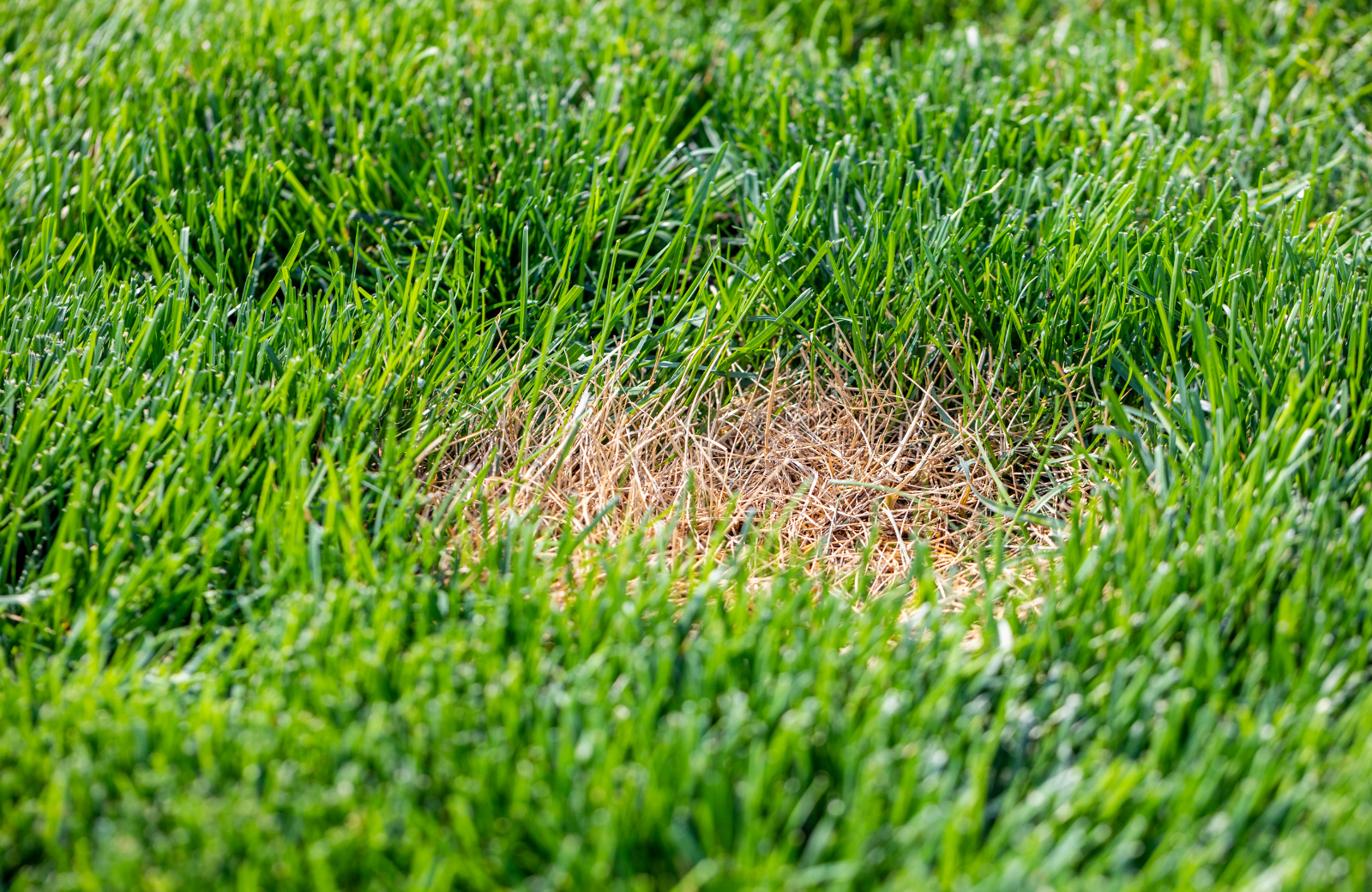
Keep the grass thick. A dense canopy leaves moss nowhere to land, which is a much easier standard than eliminating spores.
The Maintenance Habits That Matter
- Aerate compacted areas every year
- Overseed thin spots each fall before they open up
- Mow tall fescue around 3 inches so the canopy shades the soil
- Feed based on a soil test rather than habit
- Water deeply and less often once grass is established
- Keep leaves and debris cleared so light reaches the turf
Watch the Same Spots Every Year
Moss returns to the same locations because those locations have not changed. The north side of the house, the base of a big oak, and the low corner by the fence are the usual suspects.
If you have treated a spot twice and it keeps coming back, stop treating and start diagnosing. Something structural is still wrong.
Should You Just Give Up on Grass in Some Areas?
Sometimes, and it is not a defeat. Dense shade under mature hardwoods is a losing fight for turf, no matter how good the seed is.
NC State suggests using a mulch cover such as pine straw or bark, or planting a shade tolerant ground cover, in landscape areas where turf will not hold. That converts a chronic problem into an intentional design.
Better Options for Deep Shade
- Mulched beds with shade tolerant shrubs
- Pine straw under tree canopies where roots are shallow
- Ground covers that thrive in low light
- Stepping stones or a gravel path through a traffic lane
The Cost Comparison Nobody Runs
Reseeding a shaded area every single fall costs more over five years than converting it once. It also costs you five years of looking at a patchy yard.
How Do You Tell Moss From Algae, Thatch, or Just Thin Grass?
Moss forms a soft, springy green mat that sits right on the soil surface and lifts away in sheets. It has tiny leaves arranged around a central stem, and it feels like carpet underfoot when it is wet.
Algae looks different. It shows up as a slick, dark green or blackish film on bare soil, and it turns crusty and flaky as it dries out.
Thatch is neither. It is a spongy brown layer of dead stems and roots between the green grass and the soil, and you find it by cutting a small wedge out of the turf and looking at the profile.
Why the Difference Changes Your Plan
Algae signals the same wet, compacted conditions as moss, so the fix overlaps closely. Heavy thatch is its own issue and usually points to overfertilizing or infrequent mowing rather than shade.
Thin grass with no mat at all is the easiest case. That yard often just needs aeration, seed, and a feeding schedule built on a soil test.
Check the Whole Property, Not Just the Patch
Walk the yard after a heavy rain and note every spot that holds water. Those spots tell you more about your lawn than the moss itself does.
Look at where the sun lands at 10 a.m. and again at 3 p.m. Two quick passes reveal shade patterns that are easy to miss when you only see the yard in the evening.
Frequently Asked Questions
Will lime get rid of moss in a lawn?
Only if a soil test shows your pH is genuinely low. Lime raises pH so grass can compete better, but it does not kill moss and it does nothing for shade or compaction. Applying lime without a test can push pH too high and create new problems.
What kills moss but not grass?
Products containing ferrous sulfate, ferrous ammonium sulfate, or copper sulfate will kill moss without harming established turf when used at labeled rates. Systemic herbicides like glyphosate have no effect at all, because moss has no vascular system to carry the chemical through the plant.
Can you just rake moss out of a lawn?
You can, and for a small patch that is often the simplest approach. Raking removes the mat but leaves bare soil behind, so reseed the area right away or something else will fill it. Expect the moss to return if the shade, drainage, or compaction has not changed.
Does moss kill grass?
No. Moss moves into areas where grass has already thinned out for another reason. Once established, a thick moss mat can make it harder for new seedlings to take hold, but the moss did not cause the original decline.
What is the fastest way to get rid of moss in a lawn?
An iron based moss control product applied to damp moss, followed by raking a few days later. Understand that this is cosmetic speed rather than a solution, and the moss returns within a season unless you correct the underlying conditions.
How much sun does grass need to outcompete moss?
Most tall fescue blends need at least four hours of direct sunlight a day, and more is better. Below that threshold the turf stays thin no matter how much seed or fertilizer you apply, and moss fills the gaps.
Ready to Deal With the Cause Instead of the Moss?
Moss is a message about your soil, your light, and your drainage. We would rather read that message correctly than sell you a product that buys you four months.
What We Look At
We walk the property and check compaction, grade, water movement, canopy cover, and turf density. Then we tell you which of those is actually driving the problem in your yard.
Sometimes the fix is aeration and overseeding. Sometimes it is a drain line and a regrade. Occasionally it is admitting that a bed belongs where the grass keeps failing.
Where We Work
We serve homeowners, HOAs, and commercial properties across Johnston, Wake, and Harnett counties, including Clayton, Fuquay Varina, and Holly Springs. Mowing runs with no contract, so you stay because the yard looks right.
Get Your Free Quote
Call us at (919) 673-3956 and we will come look at the mossy areas with you and explain what we see.
You can also request a free quote online. Fall is the window where this repair actually holds, so the sooner we look, the better your spring looks.