
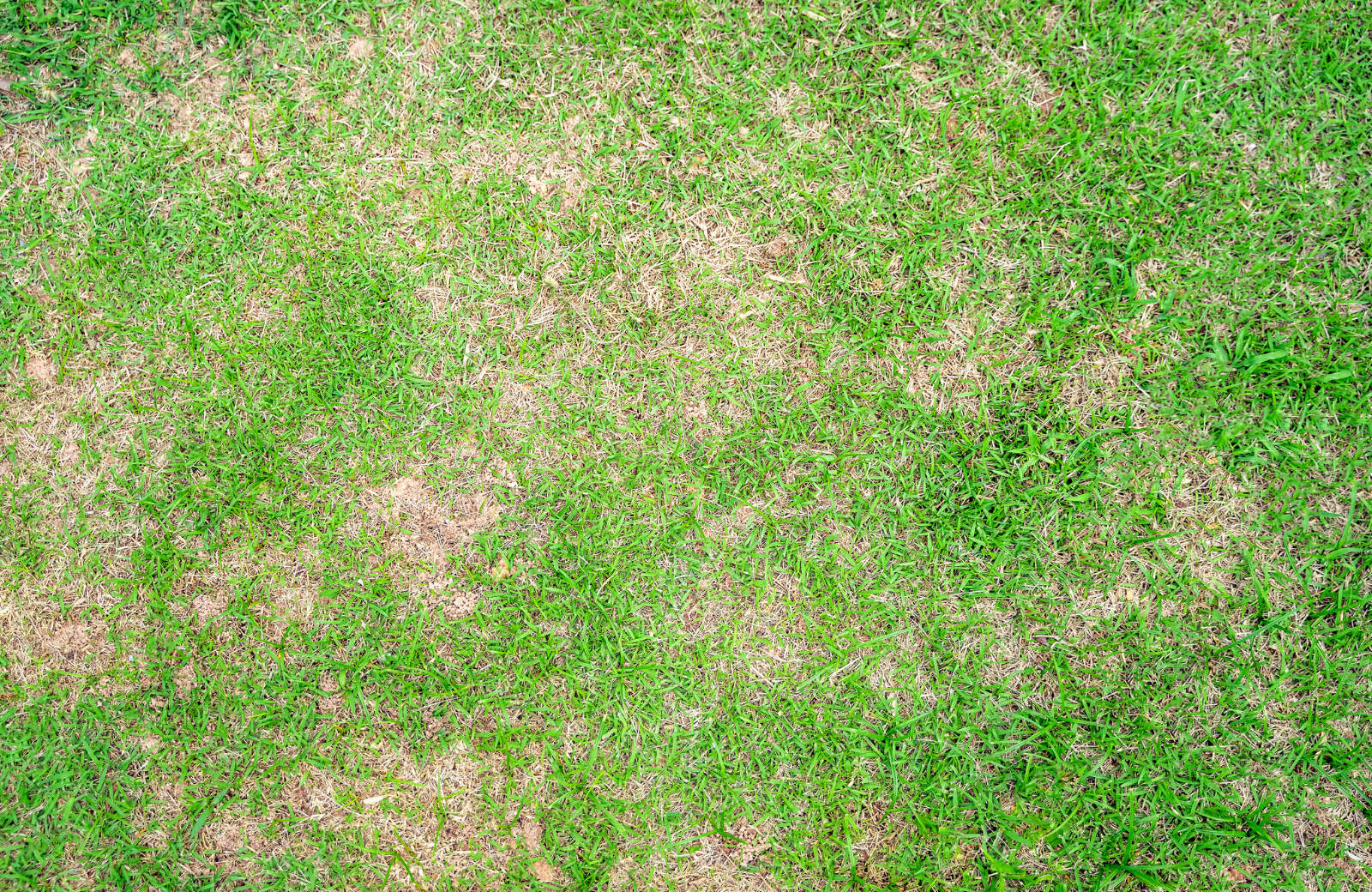
Brown patch fungus is a lawn disease caused by a soil fungus called Rhizoctonia solani. It turns healthy tall fescue into rough circles of tan, straw colored grass in a matter of days. Did your yard look perfect in May and now show scorched looking rings? This is almost always the reason.
The relief here is real. Brown patch fungus attacks the leaf blades, not the roots. A mature fescue lawn usually pulls through with the right care.
What you do in the next two weeks matters far more than anything you buy off a shelf. Watering time, mowing height, and nitrogen timing drive this disease more than any product does.
Do This Today
- Reset your sprinkler timer so watering finishes before sunrise instead of running in the evening.
- Raise your mower deck to three inches and stop cutting the lawn short.
- Hold off on nitrogen fertilizer until nights cool down in September.
- Mow the healthy grass first and the tan areas last so you are not spreading it around.
- Bag your clippings while the weather stays warm and wet.
Understanding Brown Patch Fungus In North Carolina Lawns
Brown patch fungus lives in your soil year round and stays quiet most of the time. It only becomes a problem when heat, humidity, and long stretches of wet grass line up at the same time.
What Brown Patch Fungus Actually Is
The fungus behind it, Rhizoctonia solani, is already present in nearly every lawn across the Piedmont. It does not blow in from a neighbor’s yard or arrive on new sod.
The fungus feeds on the leaf tissue when blades stay damp long enough. Once the weather breaks, it goes dormant again and waits.
What It Looks Like In A Home Lawn
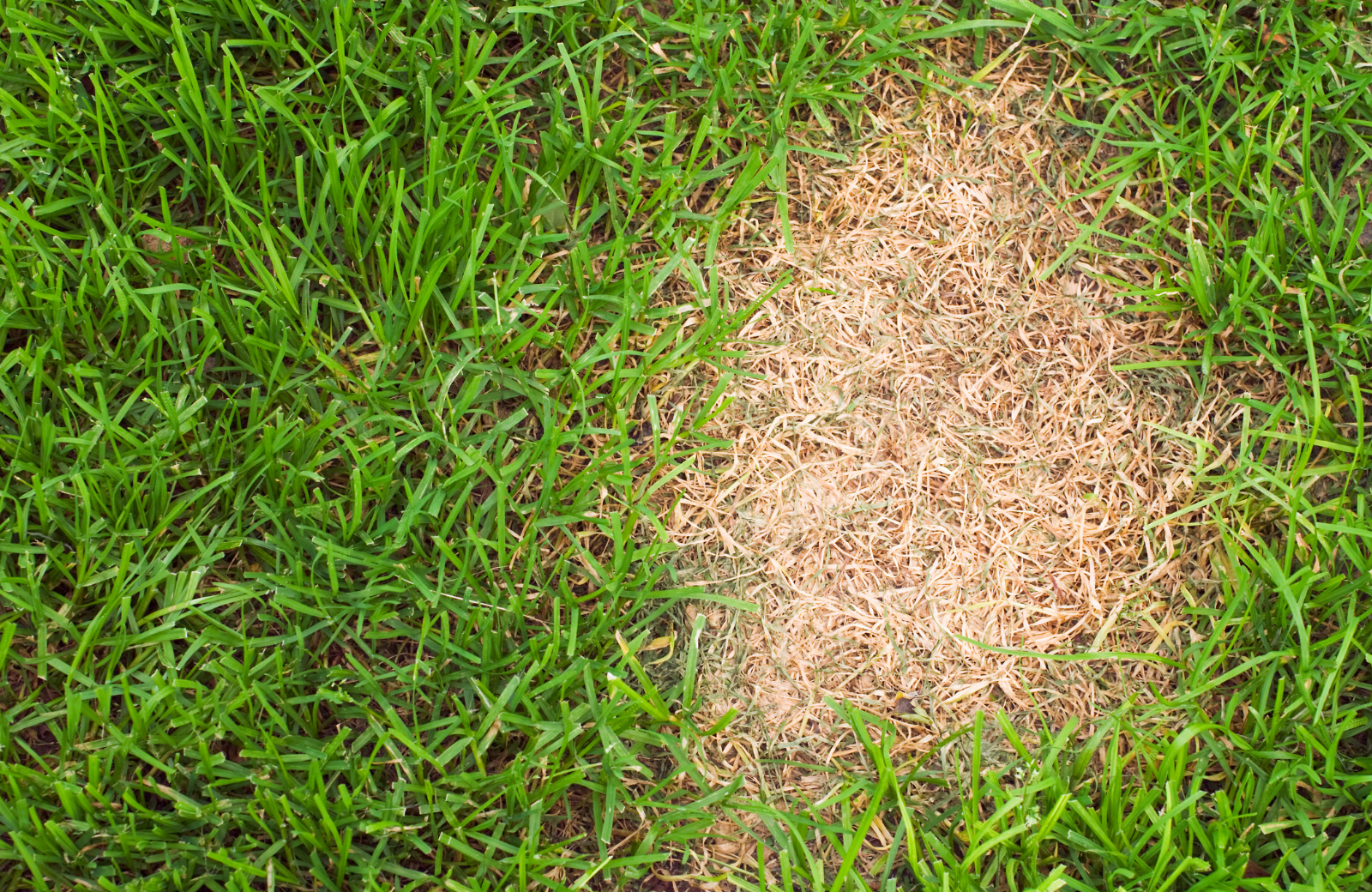
In yards mowed higher than one inch, the disease shows up as roughly circular patches of brown, tan, or yellow grass. NC State Extension puts the range at six inches to several feet across. The blades usually stay standing upright rather than collapsing flat.
Look closely at a single blade and you will see small tan lesions with a dark brown edge. That detail is the giveaway that separates disease from drought.
Early in the morning, while dew is down, the outer edge of a patch can look smoky gray. That halo is active fungal growth, and it fades once the sun dries things out.
Why Tall Fescue Gets Hit Hardest Here
Most lawns in Johnston County and the surrounding Piedmont are tall fescue. That is a cool season grass planted in a hot, humid state, and the mismatch is the whole story.
Clemson Cooperative Extension calls brown patch the most common and important disease of tall fescue in the Southeast. Their factsheet notes that mature stands usually recover. Fescue lawns under a year old can be killed outright.
That last point catches homeowners off guard every summer. A lawn seeded last fall is far more fragile than one that has been in the ground for five years.
Brown Patch Versus Other Causes Of Brown Grass
Not every brown area is disease. Here is how the common culprits differ once you get down on your knees and look.
| What You See | Shape Of The Damage | Blade Detail | Most Likely Cause |
|---|---|---|---|
| Tan circles that grew fast after a humid week | Rough circles, six inches to several feet | Tan lesions with dark borders | Brown patch fungus |
| Whole lawn fading evenly to gray green | No pattern, worst in full sun | Blades fold lengthwise, footprints linger | Drought stress |
| Grass lifts up like loose carpet | Irregular, spreading edges | Roots chewed off just under the surface | Grubs |
| Sharp straight edges along a driveway | Strips or squares | Blades burned at the tips | Fertilizer or chemical spill |
| Small dead spots that match sprinkler gaps | Wedges or arcs | Soil bone dry underneath | Irrigation coverage problem |
| Yellowing where a dog visits | Small round spots with dark green rims | Center dead, edge lush | Pet urine |
If you are still not sure, pull a few blades from the edge of a patch. Lesions with dark borders point to disease, while clean brown blades usually point to water.
What Triggers Brown Patch Fungus In Your Yard
The fungus needs specific conditions before it does anything. Take away one of those conditions and the whole thing slows down.
Heat And Humidity Working Together
NC State Extension reports that the disease can start when night temperatures pass 60 degrees. It turns severe once lows sit above 70 and highs climb above 90. That describes a plain July week in central North Carolina.
Our nights simply do not cool off enough in midsummer. The grass never gets a break, and neither do you.
Leaf Wetness And The Time You Water
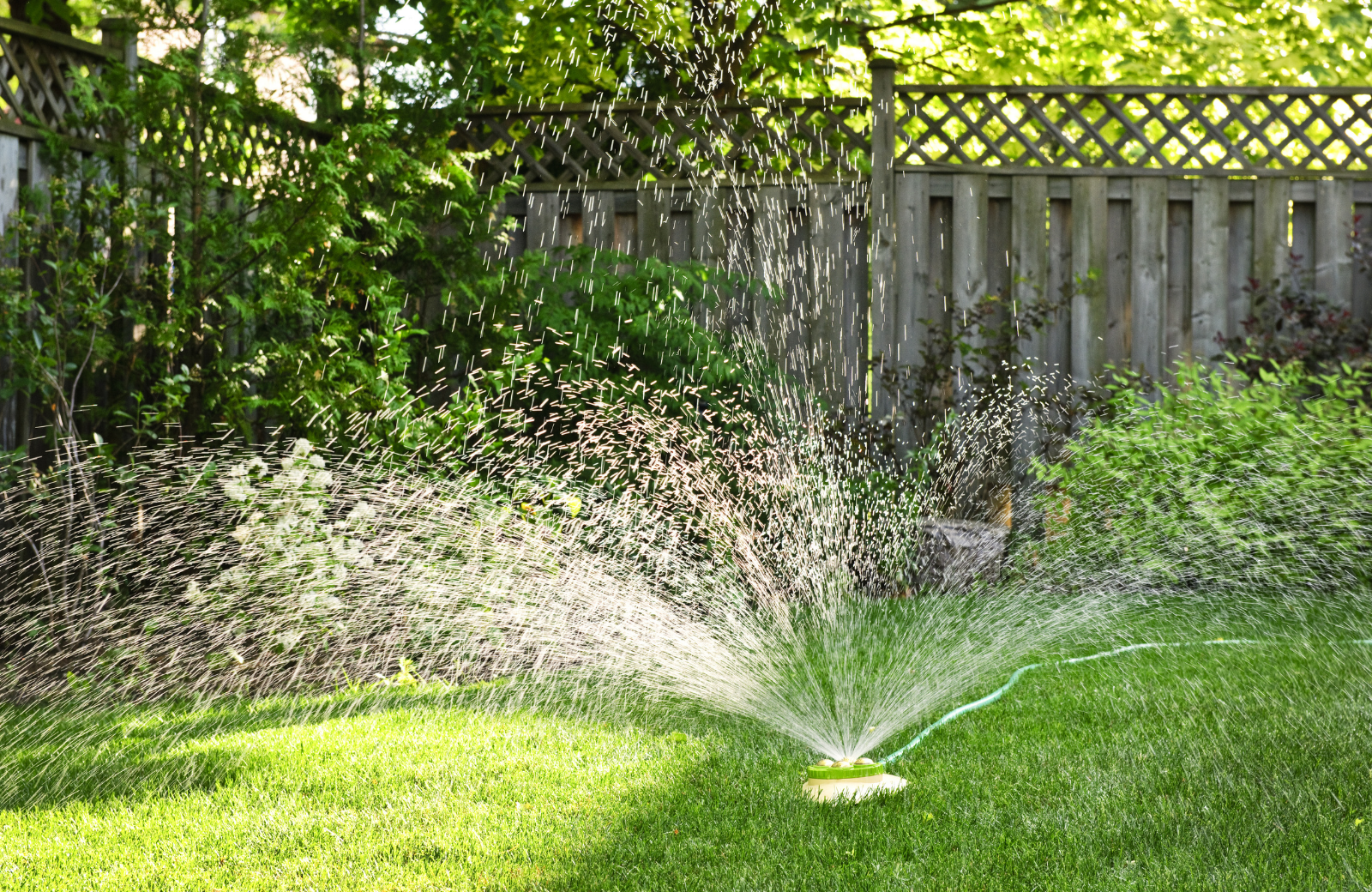
This is the single biggest lever a homeowner controls. The same NC State factsheet gives a hard number. Grass blades must stay wet for 10 to 12 straight hours before the fungus can infect them.
Evening watering practically guarantees that window. You add water at seven, dew forms at midnight, and the blades stay damp until nine the next morning.
Watering just before sunrise does the opposite. It knocks the dew off and the sun dries everything within an hour or two.
Too Much Nitrogen At The Wrong Time
Nitrogen pushes soft, fast growing leaf tissue, and that tissue is exactly what the fungus wants. NC State advises no more than half a pound of nitrogen per 1,000 square feet when conditions favor disease.
A heavy summer feeding can turn a small patch into a serious problem in one week. If you are unsure, wait until the weather cools.
Shade, Still Air, And Standing Water
Turf tucked against a fence line or hemmed in by shrubs stays wet much longer than open lawn. Poor air movement keeps the blades damp long past sunrise.
Low spots that hold water after a storm do the same thing from below. We see brown patch cluster in these areas year after year, and no fungicide fixes a grading problem.
Correcting the slope so water leaves the yard removes the condition the fungus depends on. That is why our yard drainage work often solves lawn disease problems that looked purely agricultural.
Mowing Height And Dull Blades
Clemson recommends keeping fescue between two and a half and three and a half inches tall. Cutting shorter stresses the plant, while cutting higher slows drying time.
A dull blade tears the grass instead of slicing it. Those ragged tears are open wounds, and they invite infection.
Sharpen your blade at least twice a season. It is the cheapest disease prevention available.
How To Treat Brown Patch Fungus Without Making It Worse
Most of the damage we get called about happens after the homeowner starts reacting. Watering more, feeding more, and cutting shorter all feel productive and all make it worse.
The First Two Weeks: A Simple Timeline
| When | What To Do | Why It Works |
|---|---|---|
| Day 1 | Move irrigation to finish by sunrise | Cuts leaf wetness below the 10 hour threshold |
| Day 1 | Raise mower to three inches | Reduces plant stress without slowing drying |
| Day 2 | Sharpen or replace the mower blade | Clean cuts heal faster than torn ones |
| Day 3 | Prune low limbs and thin crowded shrubs | Improves airflow so blades dry sooner |
| Week 1 | Stop all nitrogen fertilizer | Removes the soft growth the fungus feeds on |
| Week 1 | Mow diseased areas last, bag clippings | Keeps you from tracking it across the yard |
| Week 2 | Mark the patches and photograph them | Tells you whether they are still spreading |
| Week 2 | Water deeply twice a week, not daily | Encourages deeper roots and drier blades |
If the patches stop growing after two weeks, the cultural changes worked. That is the outcome we see most often.
When A Fungicide Makes Sense
Fungicides do work, but timing decides whether they are worth the money. Both NC State and Clemson favor preventive applications in late spring and early summer over rescue treatments in the heat.
Curative sprays in August often disappoint. The grass is growing slowly and cannot repair itself even after the fungus stops.
Was the lawn seeded within the last year? Does the same yard lose large areas every summer? A preventive program next spring is a reasonable investment. Always read the label, because several professional products are not cleared for home lawns.
What Not To Do
- Do not water in the evening to help the stressed areas recover.
- Do not throw down a summer nitrogen feeding to green things up.
- Do not scalp the lawn to remove the tan blades.
- Do not rake aggressively at the patches while the grass is wet.
- Do not reseed in August, because young seedlings are the most vulnerable plants in the yard.
Repairing The Damage And Getting Ahead Of Next Summer
Recovery follows a predictable rhythm here. The disease quiets down when nights drop back into the fifties, and the lawn fills in during the cooler months.
Why Fall Is The Real Repair Window
September through early November is when cool season grass does its best growing in North Carolina. Soil is still warm, air is cooler, and disease pressure has dropped away.
Seed put down in that window has months to establish before next summer. Seed put down in August often becomes next month’s problem.
Aeration And Overseeding
Core aeration pulls plugs of soil and opens compacted ground so water moves down instead of sitting on the surface. Clemson lists correcting compaction through core aeration among its core recommendations for preventing this disease.
Overseeding right behind aeration puts new seed in direct contact with soil. That contact is what makes the difference between a thick lawn and a thin one.
This is the heart of our lawn seeding and aeration service, and fall is when we schedule most of it. Booking early matters, because the good window is short.
Choosing A More Resistant Fescue
NC State points out that tall fescue varieties differ widely in how badly brown patch hits them. Choosing a resistant variety is a critical first step in any plan. Not all seed on the shelf is equal.
If you are reseeding a lawn that struggles every year, this choice pays you back for a decade. Ask what blend is going down before anyone spreads it.
Fixing Drainage, Grade, And Airflow
Some lawns fail every single summer in the same three spots. When that happens, the problem is usually the site rather than the grass.
Low areas that stay soggy, downspouts emptying into the turf, and beds crowded against the house all extend leaf wetness. Correcting the grade, redirecting roof water, and opening up airflow change the conditions permanently.
We would rather fix the cause once than treat the symptom every August. That is usually cheaper for you too.
Mowing Habits That Carry You Through Summer
Set the deck at three inches from May through September and leave it there. Taller grass shades the soil and holds moisture at the root zone where it belongs.
Never remove more than a third of the blade in one pass. If the lawn got away from you, cut it twice over a few days instead of scalping it once.
Our seasonal mowing crews adjust height by season for exactly this reason. Summer cutting and spring cutting are not the same job.
Frequently Asked Questions
Does brown patch fungus kill grass permanently?
In most established lawns it does not. The fungus damages leaf blades while the crowns and roots survive, so the turf regrows once temperatures drop. Newly seeded fescue is the exception, because young plants have very little reserve. Clemson notes that tall fescue lawns less than a year old can be killed by it.
Will brown patch fungus go away on its own?
The active infection usually stops when nights cool and humidity breaks. In central North Carolina that means September or October. Thin stands will not fill the bare areas back in on their own. Aeration and overseeding in the fall are what actually close the gaps.
Should you keep watering a lawn with brown patch fungus?
Yes, but change how and when. Water deeply two or three times a week instead of a little every day, and finish before sunrise. Clemson gives a simple guideline for fescue. Roughly one inch of water per week, reaching a depth of four to six inches.
When is brown patch season in North Carolina?
Symptoms typically run from May through September, with the worst stretch falling in the humid weeks of July and August. NC State lists May to September as the months with symptoms. Warm nights are the trigger more than hot days.
Can you overseed on top of brown patch damage?
You can, and fall is the right time to do it. Seeding in the middle of an active outbreak wastes seed, because seedlings are the plants most likely to die. Wait for the weather to break, aerate first, then seed into the open soil.
Is brown patch fungus harmful to pets or children?
The fungus itself poses no known risk to people or pets. Any caution belongs to the fungicide products rather than the disease. Follow the label on reentry times and let treated areas dry before anyone plays on them.
Getting Your Lawn Back On Track
A tan lawn in August feels like a failure, and it usually is not. It is a cool season grass doing its best in a climate that pushes back every summer.
What We Handle For You
We walk the yard and tell you plainly whether you are looking at disease, drought, insects, or a drainage problem. Those four things look similar from the driveway and call for completely different work.
From there we handle the parts that actually change the outcome. That means core aeration and overseeding in the fall. It also means mowing at the right height and correcting the low spots and roof water keeping your turf wet.
Why Homeowners Across Johnston County Call Us
We work in Clayton, Fuquay Varina, Holly Springs, Willow Spring, and the surrounding communities every week. We know which neighborhoods sit on heavy clay and which lawns flood after a hard afternoon storm.
You get straight answers and a crew that shows up. No contract is required for mowing, and we will tell you when something does not need doing.
Talk To Us Before Next Summer
The best time to solve this is the fall before it happens again. Aeration, seeding, and grading all belong in the cooler months, and the calendar fills quickly.
Call us at (919) 673 3956 for a free estimate and consultation. You can also request your free quote online and we will come take a look.
We handle the lawn. You get your weekends back.