
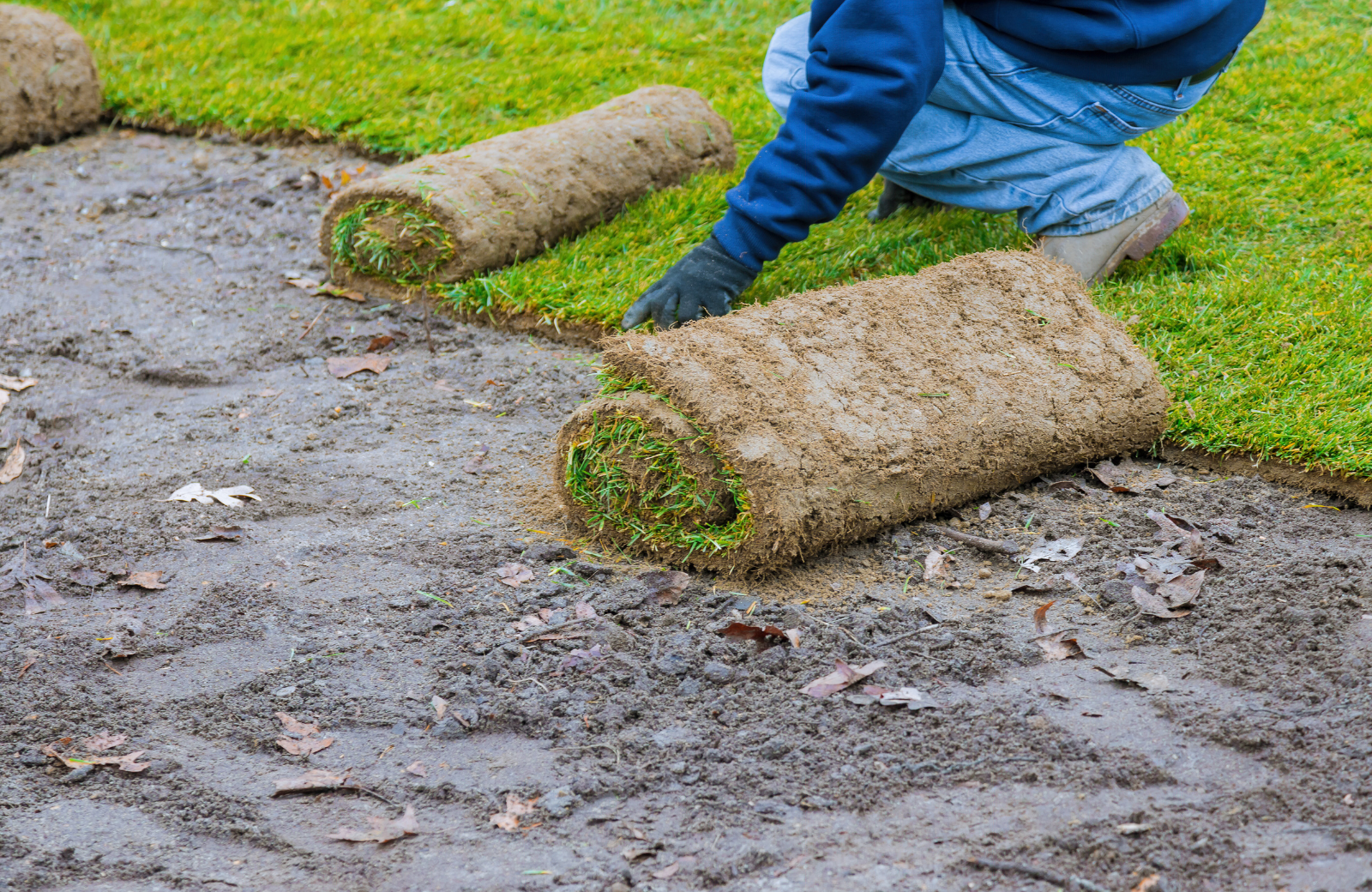
Yes, you can lay sod in the winter in North Carolina, as long as the ground is not frozen. Tall fescue sod handles cool weather well.
Bermuda, zoysia, and centipede go down as dormant sod and carry more risk until spring. Dormant sod will not root much until the soil warms back up.
Your job until then is simple: keep it from drying out, freezing in place, or washing away.
Planning a winter sod project? Start with these steps this week.
- Confirm your grass type before you order a single pallet.
- Grade and prep the soil just like you would in spring.
- Check the forecast and never install on frozen or soggy ground.
- Water lightly on mild, dry, windy days, but never before a freeze.
- Skip fertilizer and weed preventer until the grass greens up.
Can You Lay Sod in the Winter in North Carolina?
Yes, but success depends on your grass type, your soil prep, and your follow through. Winter sod works best when you understand that it is mostly sitting still until spring.
The Carolina Lawns guide from NC State Extension explains that sod will not produce roots unless the soil temperature stays above 55°F for several weeks. It also notes that professional installers have succeeded outside the usual window when they keep the soil from drying out.
Why the Piedmont Is a Good Place to Try It
Our winters bring frost and the occasional hard freeze. Even so, the ground in Johnston and Wake counties rarely stays frozen for long stretches.
Mild spells between cold fronts give fescue a chance to push a few roots. Those same mild days keep warm season sod from sitting frozen for weeks.
When Winter Sod Is a Bad Idea
Some situations call for patience instead. Hold off if any of these describe your yard right now.
- The ground is frozen or covered in snow.
- Water stands in low spots for days after rain.
- A steep slope has no plan for staking or erosion control.
- Nobody can check and water the lawn for the next few months.
What Is Dormant Sod?
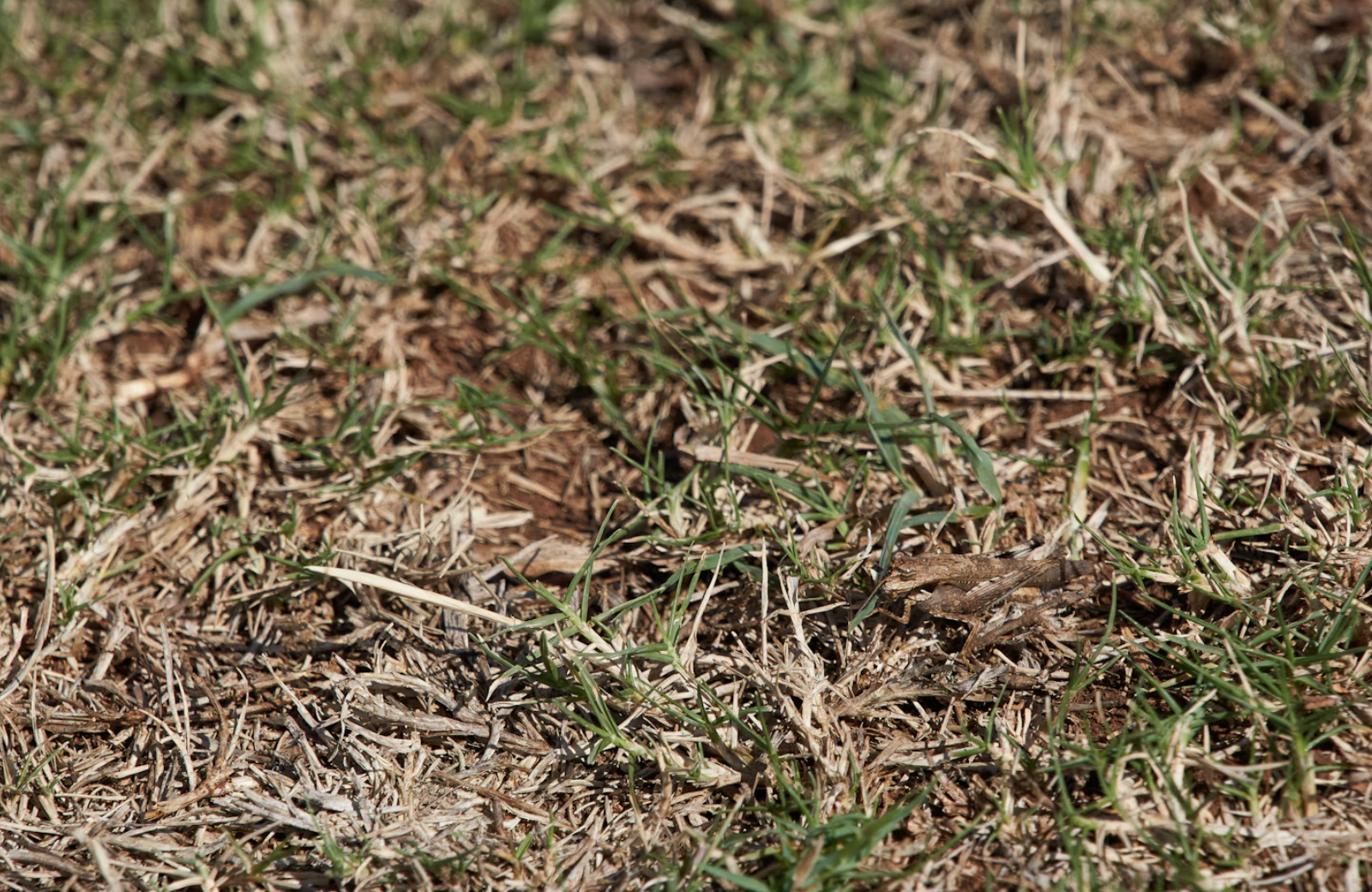
Dormant sod is warm season grass that is harvested and installed while it rests for the winter. It looks tan or straw colored, but the plants are alive and waiting for warmer soil.
Texas A&M AgriLife Extension defines dormant sodding as laying sod when turfgrass is not actively growing. Its turfgrass specialist notes that warm season roots can stay active until the soil drops to about 50°F.
How to Tell Dormant Sod From Dead Sod
Dormant and dead sod can look almost the same from the street. A closer look tells the real story.
- Pull back the blades and look for green tissue near the base.
- Squeeze the crowns, which should feel firm instead of mushy.
- Check that the soil on the roll is moist and holds together.
- Smell it, since healthy sod smells earthy and never sour.
Texas A&M lists this check as the very first step. A healthy dormant roll is worth installing, while a dried out roll is not.
Which Grass Types Can You Install in the Winter?
Tall fescue is the easiest winter option, followed by bermuda and zoysia. Centipede carries the most risk in cold weather.
Here is a quick look at the grasses most common across the Piedmont.
| Grass Type | Season Type | Winter Look | Winter Install Outlook |
|---|---|---|---|
| Tall fescue | Cool season | Mostly green | Best winter option, roots slowly on mild days |
| Bermuda | Warm season | Tan and dormant | Workable as dormant sod with steady care |
| Zoysia | Warm season | Tan and dormant | Workable, but slow to knit in spring |
| Centipede | Warm season | Tan and dormant | Highest risk of winter injury |
Why Tall Fescue Handles Winter Best
Fescue is a cool season grass, so it keeps living and growing slowly through mild weather. NC State notes that cool season sod can go down any time the ground is not frozen.
That makes fescue the safest pick for a winter lawn project. It may even look green and settled by early spring.
What to Expect From Bermuda, Zoysia, and Centipede
Warm season grasses sit still until spring. Texas A&M ranks centipede among the grasses most likely to suffer winter injury, with bermuda and zoysia a bit tougher.
If you love centipede, spring is the safer season. Bermuda and zoysia can work in winter when the prep and watering are right.
What Are the Pros and Cons of Laying Sod in the Winter?
The biggest benefit is a lawn that is ready to green up before summer heat arrives. The biggest drawback is that the sod cannot root much until spring.
Weigh both sides before you decide.
Benefits of Winter Sod
- Bare, muddy soil gets covered before spring rains.
- Cooler air means far less watering than summer sod.
- Installers often have more open dates in the off season.
- Your lawn wakes up in spring already in place.
Drawbacks of Winter Sod
- Roots grow slowly or not at all in cold soil.
- Dry winter wind can pull moisture out of thin roots.
- You cannot fully judge the results until spring green up.
- Rainy weeks can turn red clay into a sticky mess on install day.
How Do You Prepare Soil for Winter Sod?
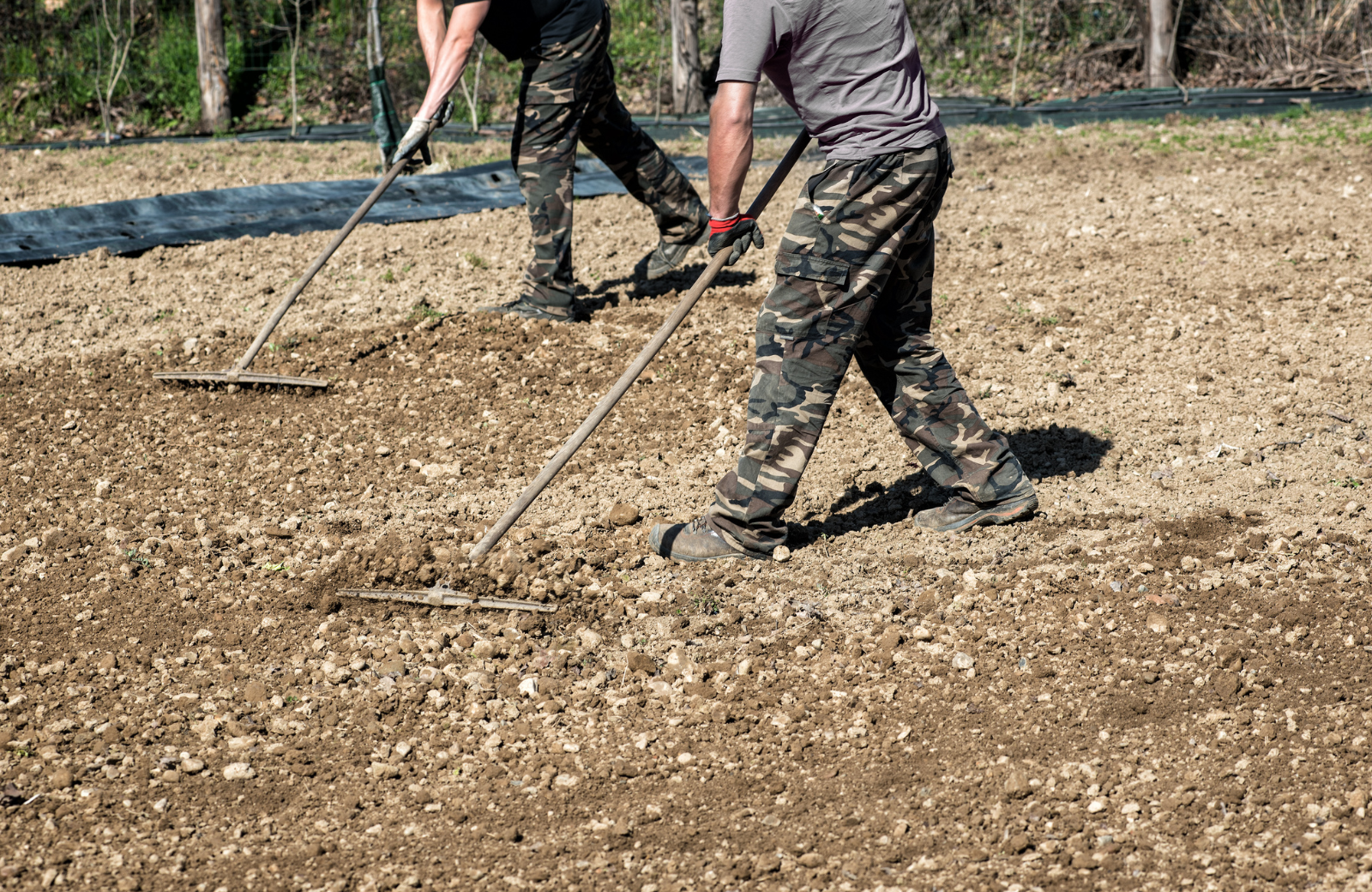
Prepare the soil exactly as you would in spring. Good prep matters even more in winter, because the sod needs every advantage while it waits.
Skipping steps now usually shows up as thin, patchy grass in May.
Clear, Grade, and Loosen
Remove old turf, weeds, rocks, and debris first. Then grade the yard so water flows away from your house and does not pool.
Loosen the top few inches of soil so new roots can push down easily. Hard, compacted clay is one of the top reasons sod fails anywhere in the Piedmont.
Test and Smooth the Soil
A soil test through your county Extension office shows what your yard needs. Lime can go in during prep, while fertilizer should wait for spring.
Rake the surface smooth and firm it lightly. NC State recommends letting rain or irrigation settle the soil, then rolling it before planting.
Pick the Right Day
Work the soil when it is moist, not soggy. Squeeze a handful, and if it smears like modeling clay, wait a few days.
Watch the forecast for a stretch of dry days above freezing. That window gives you time to install, roll, and water without a frozen night right behind you.
How Do You Install Sod When It Is Cold Outside?
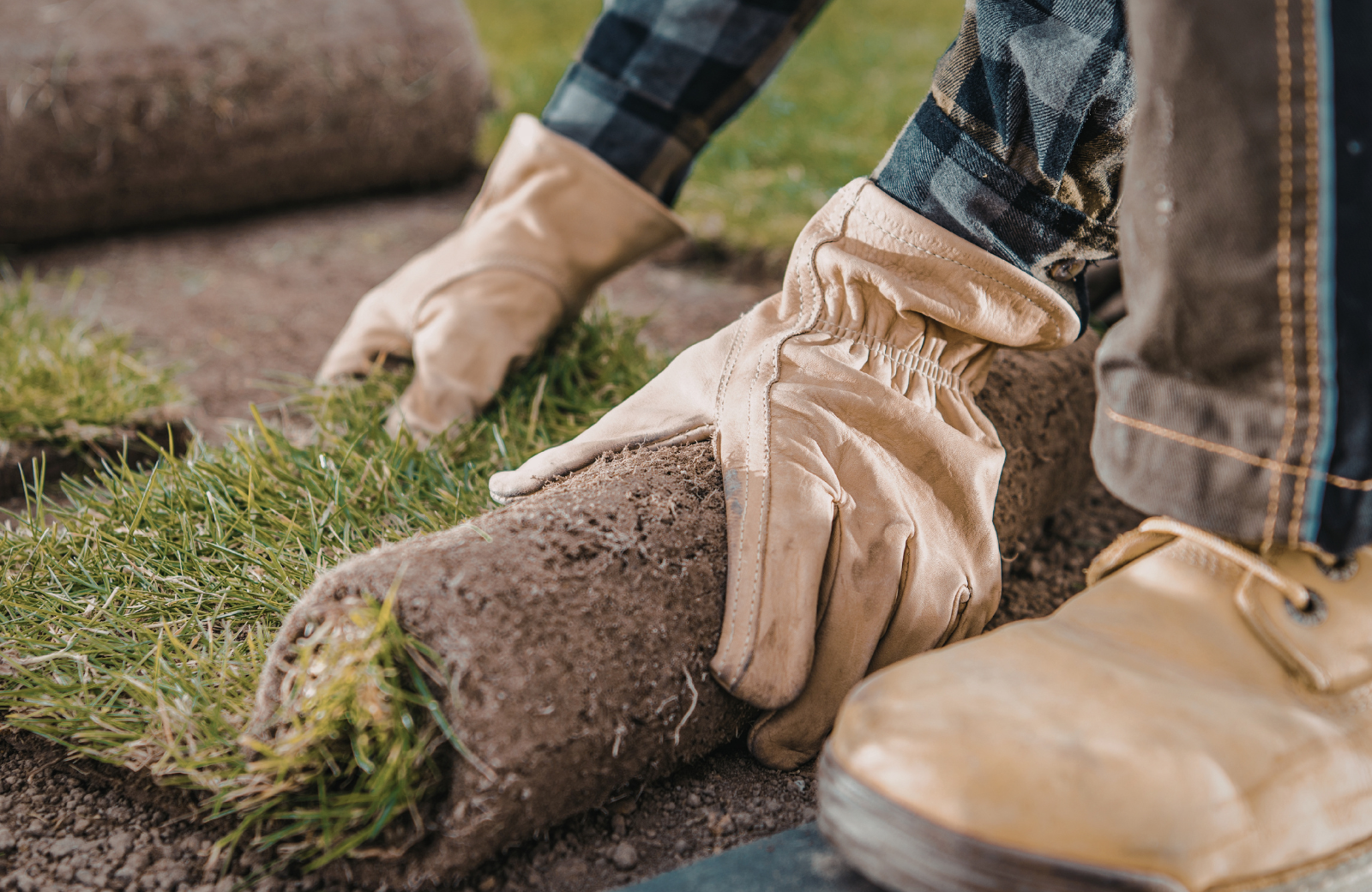
Install winter sod the same careful way you would in spring, with a little extra attention to timing. Tight seams and solid soil contact matter more than ever.
Here is the order we follow on a cold weather job.
- Schedule delivery for the day you will install, since NC State advises laying sod within 24 hours of delivery.
- Start along a straight edge like a driveway or sidewalk.
- Butt the seams tight and stagger them in a brick pattern.
- Avoid stretching the pieces, which leaves gaps as they shrink.
- Lay sod across the face of any slope and stake it in place.
- Roll the whole lawn to press the roots against the soil.
- Water it in, as long as no freeze is coming that night.
Mind the Seams
Gaps between pieces dry out fastest in winter wind. Fill any small gaps with loose soil so the edges stay protected.
Texas A&M also suggests a light topdressing on dormant sod. It helps hold moisture and fills small dips and seams.
How Often Should You Water Sod in the Winter?
Much less often than in summer, but you still cannot ignore it. Keep the top 1 to 2 inches of soil moist, never soggy.
Texas A&M AgriLife Extension warns that dormant turf can dry out in as little as a day. The riskiest weather is sunny, breezy, and dry, with temperatures in the upper 60s or low 70s.
A Simple Winter Watering Routine
Lift a corner of the sod twice a week and feel the soil underneath. Water only when the soil feels dry to the touch.
- Water late morning on mild days so the surface dries before night.
- Skip watering when a freeze is in the forecast.
- Let rain do the work during wet weeks.
- Drain hoses and protect spigots after each use.
Your Winter Sod Timeline
Use this as a rough guide for a Piedmont lawn. Adjust it for your grass type and the weather each week.
| Timeframe | What to Do |
|---|---|
| Install day | Roll the sod and water it in if no freeze is coming |
| First two weeks | Check moisture often and keep foot traffic off |
| December through February | Water only on dry, mild, windy stretches |
| March | Gently tug on corners to check for rooting |
| April and May | First mow, soil test, and first feeding after green up |
Should You Fertilize or Spray Weeds on Winter Sod?
No, hold off on both until the grass is actively growing. Feeding or spraying now does more harm than good.
Texas A&M advises against fertilizer when dormant sodding, because roots cannot use it and it may wash away. It also warns that common preemergence weed preventers can slow rooting and should not go down at sodding time.
What to Do Instead
Pull the occasional winter weed by hand. Then plan your first feeding for spring, based on a soil test and your grass type.
Patience now pays off later. Healthy roots in spring set up the whole growing season.
When Will Winter Sod Take Root and Green Up?
Tall fescue roots a little on mild days and usually feels anchored by early spring. Warm season sod greens up and roots as the soil warms, which is often April into May across the Piedmont.
Give the sod a gentle tug at a corner. If it resists, the roots are taking hold.
What If Some Spots Stay Brown?
Texas A&M notes that winter losses may not show until spring green up. Small brown patches are often easy to fix with a few fresh pieces.
Larger dead areas usually point to dry seams, poor soil contact, or standing water. Fixing the cause first keeps the problem from coming back.
Is It Better to Wait Until Spring to Lay Sod?
For warm season grass, spring is the safest choice if you can wait. NC State lists roughly April until July 1 as the best window for warm season sod.
Winter still makes sense when you need cover now. Muddy yards, new construction, erosion, or a home going on the market can all justify a winter install.
Questions to Ask Yourself
- Is my yard muddy or washing out right now?
- Can I check and water the lawn through the winter?
- Am I installing fescue, or a warm season grass?
- Do I need the yard finished before spring for a specific reason?
If you answered yes to most of these, winter sod can be a smart move. If not, booking a spring install gives warm season grass the easiest start.
Either way, the work starts with good prep. Our sod installation crews handle grading, soil prep, and installation from start to finish.
Frequently Asked Questions
What temperature is too cold to lay sod?
Avoid laying sod on frozen ground or right before a hard freeze. Cool days above freezing are workable, although active rooting needs warmer soil, so the sod will mostly wait until spring.
Can you walk on dormant sod?
Keep foot traffic as light as possible for the first several weeks. Frozen or dormant grass blades break easily, and heavy steps can shift pieces before the roots anchor.
How long can sod stay rolled up in cold weather?
Cool weather slows damage, but you should still install it within a day of delivery. NC State recommends unrolling sod if it cannot be laid within 48 hours.
Is it cheaper to lay sod in the winter?
Not always. Material and labor costs stay fairly similar, but the off season can make scheduling easier and may shorten your wait for an install date.
Can you lay sod on frozen ground or snow?
No. Frozen soil keeps roots from making contact, and melting snow can leave the sod floating in mud, so wait for a thaw and a few dry days.
Will new sod survive a hard freeze?
Well prepared fescue, bermuda, and zoysia sod usually come through a typical Piedmont freeze. Centipede is more vulnerable, and any sod that dries out first faces a higher risk.
How Can Southern State Landscape Help With Winter Sod?
Winter sod rewards good planning and careful work. We bring both, so your lawn is ready to wake up strong in spring.
We install sod for homeowners, HOAs, and businesses across Johnston and Wake counties. We lay the sod, and you cross the yard off your to do list.
We Check Your Grass and Your Timing
We start by looking at your yard, your grass type, and the weeks ahead. Then we tell you plainly whether winter or spring makes more sense.
If waiting is the smarter call, we will say so.
We Handle the Grading and Soil Prep
We clear the old turf, fix grading problems, and loosen compacted clay. That way your sod lands on soil that drains well and welcomes new roots.
Strong prep is what separates a thriving lawn from a patchy one.
We Lay It Tight and Set You Up for Spring
We install with tight seams, roll every section, and stake slopes when needed. Before we leave, we walk you through a simple winter watering plan.
Our professional sod installation service covers zoysia, bermuda, and centipede. You will know exactly what to do until green up.
Ready for a Lawn That Greens Up This Spring?
Call us at 919.673.3956 or request your free quote online. We will help you pick the right grass and the right time.
We handle the sod, and you enjoy the yard again.