
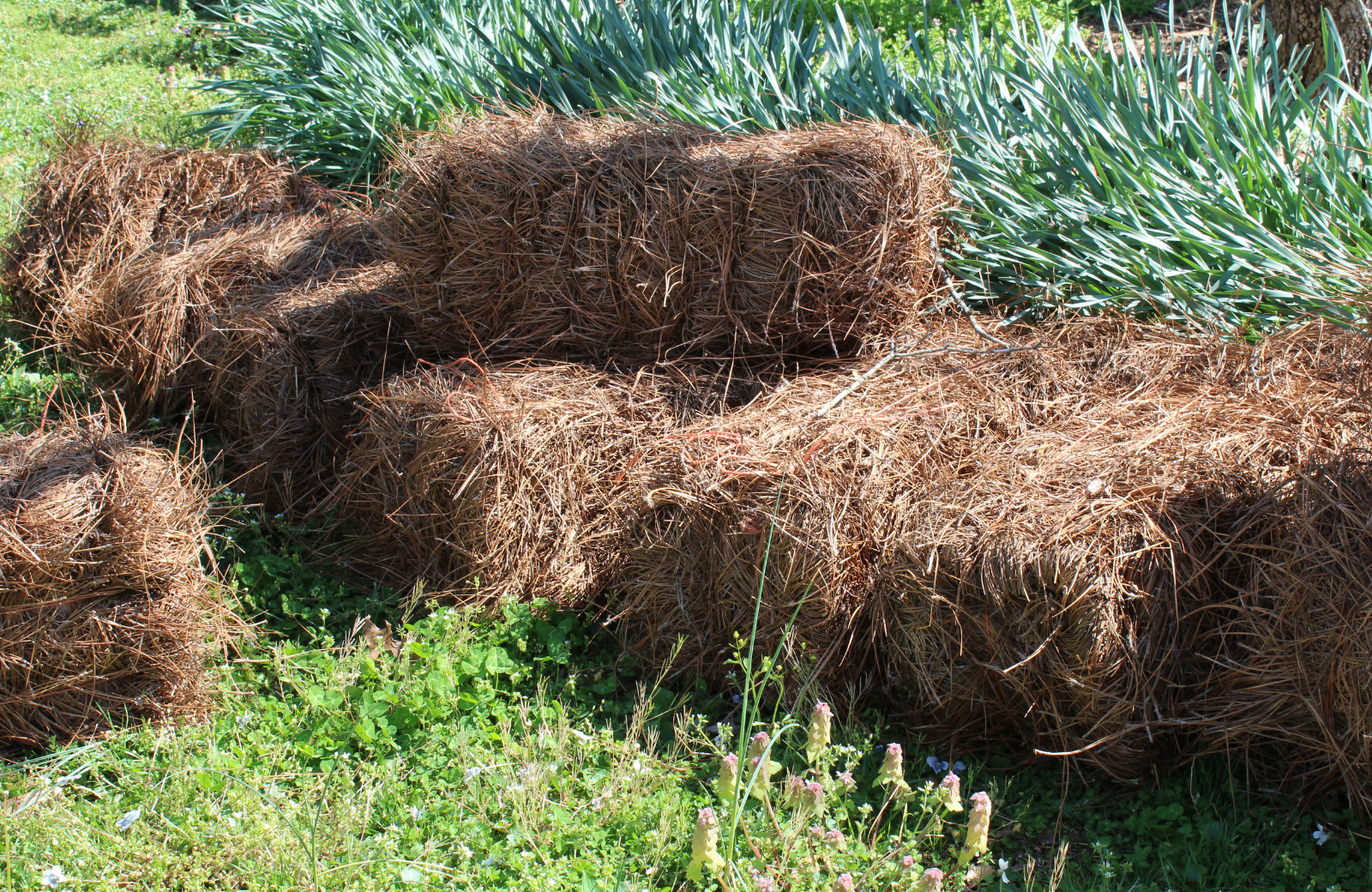
Pine straw vs mulch comes down to your yard, your budget, and how often you want to refresh your beds. Pine straw costs less, spreads fast, and grips slopes.
Shredded hardwood or pine bark mulch lasts longer and gives beds a crisp, finished look. Both materials hold moisture, block weeds, and protect roots through a North Carolina winter.
Neither one acidifies your soil enough to hurt your shrubs, which surprises a lot of homeowners here in the Piedmont.
Fall is a great time to decide, since a fresh layer insulates roots before the first hard freeze. Here is what to do this week.
- Walk your beds and check how much old material is still there.
- Pull any mulch or straw a few inches back from tree trunks and your foundation.
- Use pine straw on slopes and wide natural areas where washouts happen.
- Use shredded hardwood or pine bark in front beds where looks matter most.
- Aim for about 2 to 3 inches after it settles, never a tall mound.
What Is the Difference Between Pine Straw and Mulch?
Pine straw is the dry needles that fall from pine trees, raked up and pressed into bales for landscaping. Mulch usually means chipped or shredded wood, like hardwood mulch, pine bark nuggets, or dyed mulch.
Technically, pine straw is a mulch too. When most homeowners say mulch, though, they mean the wood products sold by the bag or by the cubic yard.
According to N.C. Cooperative Extension in Lee County, about ten species of pine are native to North Carolina. Longleaf needles are the most prized for pine needle mulch.
What Pine Straw Brings to Your Beds
Pine straw is the lightweight, budget friendly choice. It fits right in on wooded lots and around big pines.
- Light bales that one person can carry and spread by hand
- Needles that knit together and stay put on slopes and in heavy rain
- A soft, natural look that blends with tree lines
- A lower cost per square foot in most cases
What Wood Mulch Brings to Your Beds
Wood mulch is the polished, longer lasting choice. It frames your shrubs and makes a front yard look cared for.
- A uniform, tidy surface that reads well from the street
- Slower breakdown, so it holds up longer between refreshes
- Color options from natural brown to deep black
- Strong weed blocking once it settles into a firm layer
Is Pine Straw or Mulch Better for Your Yard?
Neither one wins everywhere. Pine straw suits slopes, big natural areas, and tight budgets.
Wood mulch suits high visibility beds and longer lasting coverage. Most yards we care for in Johnston and Wake counties use both, and here is how they compare.
| Feature | Pine Straw | Wood Mulch |
|---|---|---|
| Upfront cost | Usually lower per square foot | Usually higher per square foot |
| How long it looks fresh | Often needs a refresh once or twice a year | Often holds its look for about a year |
| Slopes and heavy rain | Stays in place very well | Light bark can float and wash out |
| Overall look | Soft, natural, woodland feel | Neat, uniform, finished feel |
| Weed control | Good when applied thick enough | Very good once it settles |
| Ease of spreading | Very easy, bales are light | Heavier work, often needs a wheelbarrow |
| Fire caution near the house | Ignites more easily | Still burns, but more slowly |
When Pine Straw Is the Smarter Pick
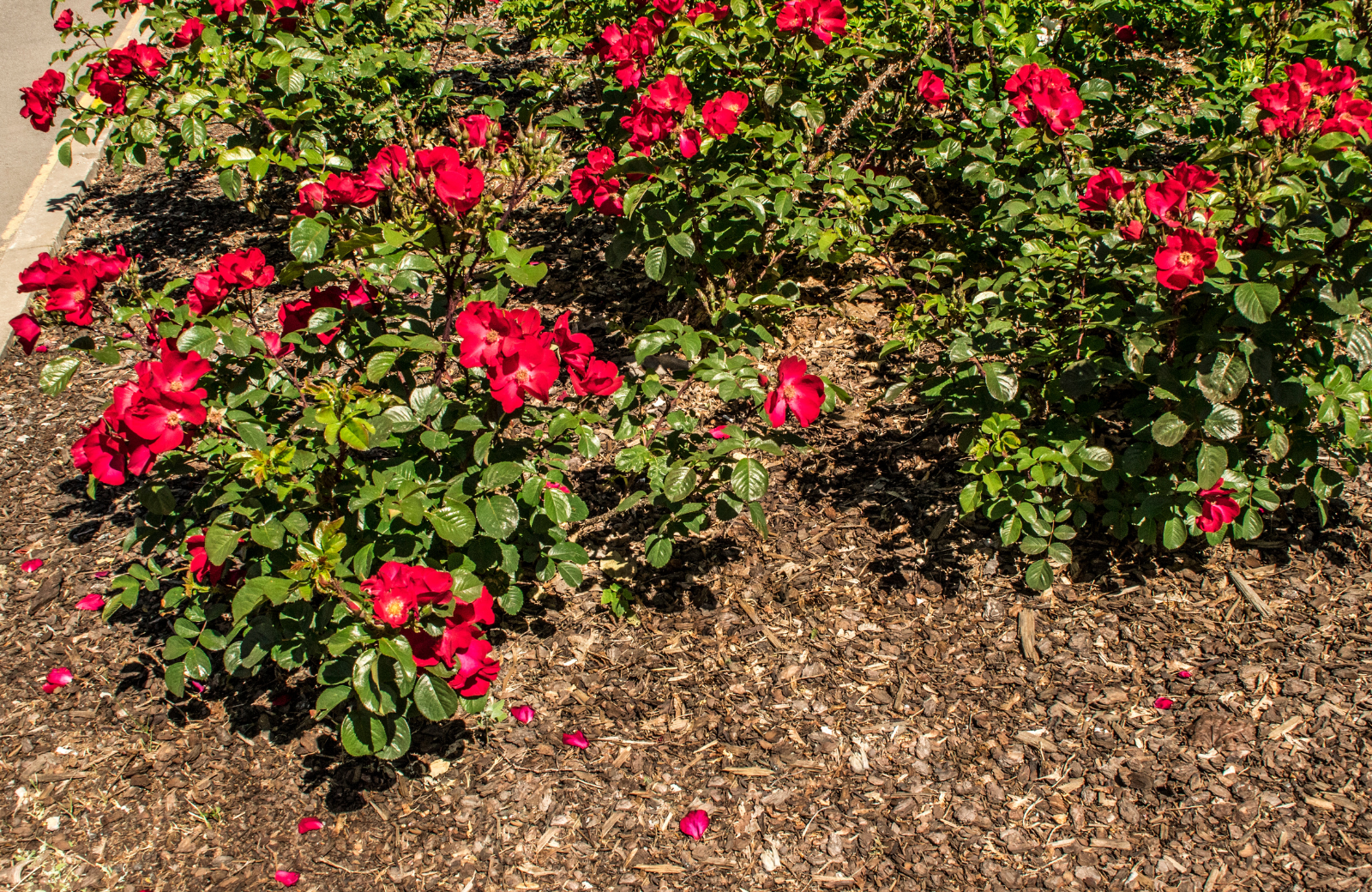
Pine straw shines anywhere water moves or the area is simply large. It also makes sense when you want good coverage without a big bill.
- Sloped beds and banks where bark would wash into the lawn
- Natural areas under pines and along wooded property lines
- Large HOA common areas and entrances with lots of square footage
- Beds around acid loving plants like azaleas and camellias
When Wood Mulch Is the Smarter Pick
Wood mulch earns its price in the beds people see first. It also saves you time if you would rather refresh less often.
- Front foundation beds and walkway borders
- Tree rings in the middle of the lawn
- Flat beds where washouts are not a concern
- Commercial properties that need a clean, consistent look
Does Pine Straw Make Your Soil Acidic?
No, not in any way that harms your plants. This is one of the most common myths we hear, and the research backs that up.
Lee County Extension put the question to soil scientists at NC State. They reported that pine needles acidify soil no more than any other mulch.
Soil microbes, rain, and other organic matter neutralize the needles as they break down. Your plants never feel a meaningful change.
Why the Myth Sticks Around
Fresh needles do start out acidic when they fall. Pines also thrive in naturally acidic soil, so people often blame the needles for soil that was already that way.
Red clay across the Piedmont tends to run acidic on its own. That has far more to do with your soil test than whatever covers your beds.
What Actually Controls Your Soil pH
Your native soil, your lime history, and your fertilizer choices drive pH. A soil test through your county Extension office tells you exactly where you stand.
If the test calls for lime, you can spread it right under either material. Then top the bed back off and move on with your season.
How Deep Should Pine Straw or Mulch Be?
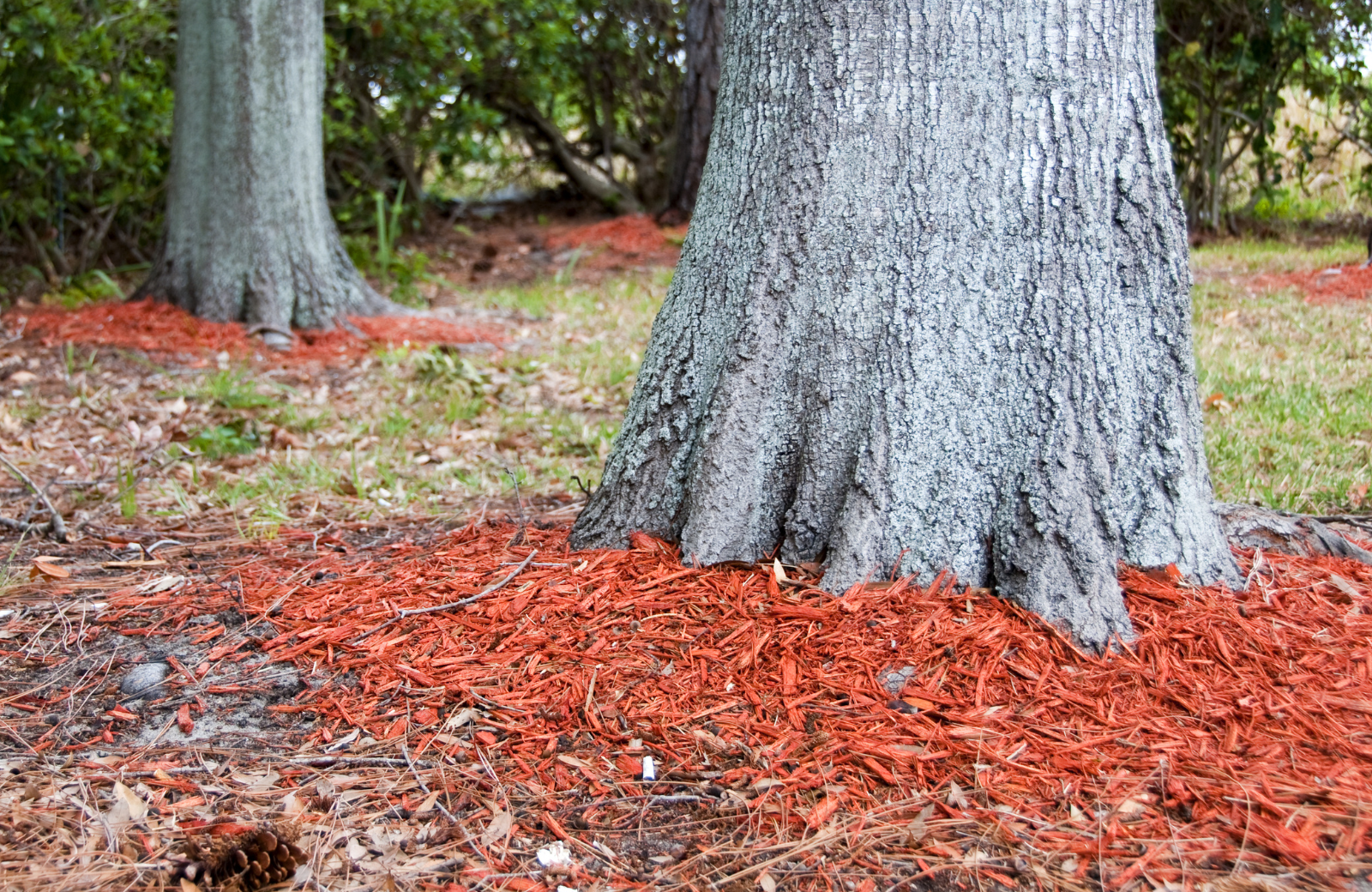
For most beds, 2 to 3 inches after it settles is the sweet spot. Thicker is not better, and deep layers cause more problems than they solve.
Gary Bachman with Mississippi State University Extension notes that many guides call for 3 to 4 inches. In his view, a 2 to 3 inch layer is enough for most beds.
He also warns that extra depth can slow soil cooling in fall. That may keep plants from hardening off before cold weather arrives.
How Much Pine Straw Do You Need?
The math is simple. N.C. Cooperative Extension shares that a 40 pound bale typically covers about 100 square feet at a 2 inch depth.
- Measure each bed and multiply length by width.
- Divide the total square feet by 100 to estimate bales.
- Add a few extra bales, since fresh straw is fluffy and settles fast.
How Much Wood Mulch Do You Need?
One cubic yard of mulch holds 27 cubic feet. Spread at 3 inches deep, that yard covers about 108 square feet.
If you are topping off an older bed, you only need an inch or so. That cuts your order down quite a bit.
Skip the Mulch Volcano
Piling mulch high against a tree trunk traps moisture against the bark. Over time, that invites rot, insects, and girdling roots.
Spread the material out wide instead of up high. Pull it back a few inches from every trunk so the base can breathe.
How Often Do You Need to Replace Pine Straw vs Mulch?
Pine straw usually needs a refresh once or twice a year, often in spring and again in fall. Wood mulch typically needs a light top off about once a year.
Sun, rain, and foot traffic all speed up the breakdown. Beds in full sun fade faster than shady beds, no matter which material you choose.
| Season | Pine Straw Beds | Wood Mulch Beds |
|---|---|---|
| Early spring | Rake out matted straw and add a fresh layer | Fluff the old layer and top off thin spots |
| Summer | Spot fill after heavy storms | Pull weeds and keep edges crisp |
| Fall | Clear leaves, then add a second fresh layer | Clear leaves and check depth before winter |
| Winter | Leave it alone to insulate roots | Leave it alone to insulate roots |
Signs Your Beds Need a Refresh
Your beds will tell you when it is time. Watch for these clues as you walk the yard.
- Bare soil showing through in patches
- Faded, gray color that no longer looks fresh
- More weeds popping up than usual
- Soil splashing onto siding or walkways after rain
Does Pine Straw Attract Snakes or Termites More Than Mulch?
Neither material attracts snakes or termites on its own. Both create cool, moist cover, so the way you apply them matters more than which one you pick.
Snakes look for shelter and food, like mice and insects. Thick, overgrown beds with dense shrubs give them both, regardless of what covers the soil.
Simple Ways to Keep Pests in Check
A few easy habits make your beds far less inviting to unwanted guests. They also make your home safer overall.
- Keep every bed at 2 to 3 inches instead of piling it deep.
- Leave a few inches of clear space between mulch and your siding.
- Trim shrubs off the ground so you can see under them.
- Fix leaky spigots and gutters that keep beds soggy.
Is Pine Straw a Fire Risk Near Your House?
Pine straw catches fire more easily than bark mulch, so placement matters. That does not mean you have to avoid it, only that you should use it thoughtfully.
Dry needles can ignite from a tossed cigarette, a grill, or a stray spark. Wood mulch can burn too, although it usually smolders more slowly.
Safer Ways to Use Pine Straw
Keep a clear strip of gravel or bare edging right against your foundation. Use pine straw farther out in the bed and in natural areas away from decks and grills.
Water your beds during long dry spells, especially in late summer. Damp straw is much harder to ignite than bone dry straw.
Can You Mix Pine Straw and Mulch in the Same Landscape?
Yes, and many of the best looking yards do exactly that. Wood mulch goes in the front beds, and pine straw covers the slopes, tree lines, and back corners.
Clean edges are the secret to making the two look intentional. A sharp border where one material stops and the other starts keeps everything tidy.
Can You Put Pine Straw Over Old Mulch?
You can, as long as the total depth stays reasonable. If the old mulch is already 3 inches thick, rake some out first.
Switching materials is easier in fall or early spring. Those seasons give the new layer time to settle before summer storms.
Should You Put Down Pine Straw or Mulch in the Fall?
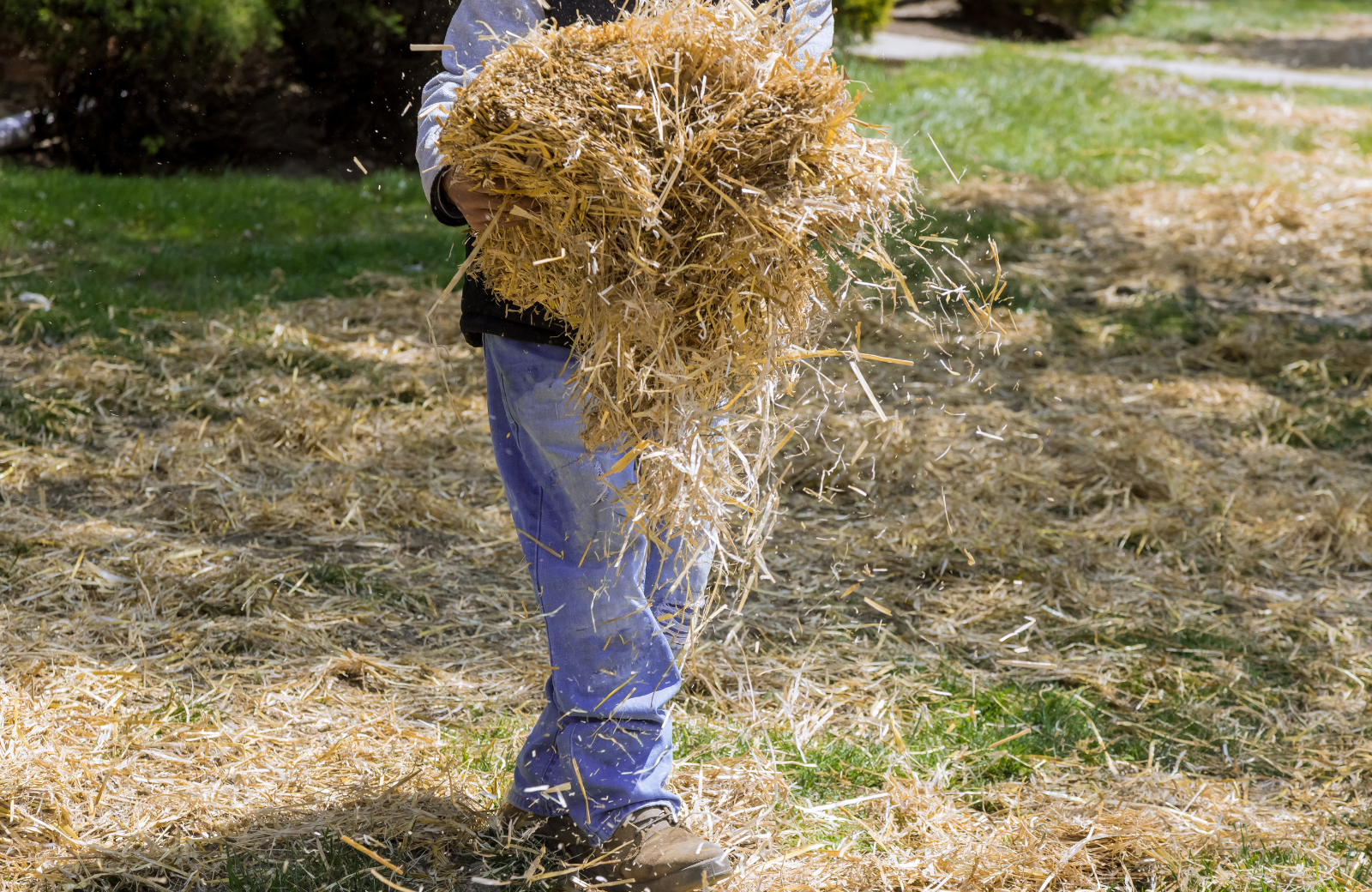
Yes, late fall is one of the best times to refresh your beds in North Carolina. A fresh layer insulates roots, holds winter moisture, and keeps soil from washing away.
According to N.C. Cooperative Extension, a 2 to 4 inch layer insulates most perennial, tree, and shrub roots from winter cold.
Clear the Leaves First
Wait until most of the leaves are down, then clean them out of your beds. Spreading fresh material over a wet leaf mat traps moisture and invites mold.
Once the beds are clean, edge them and add your new layer. Work from the back of each bed toward the front so you never step on fresh material.
Want help with the heavy lifting? Our professional mulch installation team handles cleanup, edging, and spreading in one visit.
Frequently Asked Questions
Is pine straw cheaper than mulch?
In most cases, yes. Pine straw usually costs less per square foot to buy and spread. It may need refreshing more often, so the yearly cost can end up closer than you expect.
Does pine straw keep weeds out as well as mulch?
Pine straw controls weeds well when it is spread thick enough. Wood mulch tends to block weeds a little better once it settles into a firm layer, especially in sunny beds.
How long does pine straw last in North Carolina?
Pine straw usually looks fresh for about six months to a year here. Heavy sun and summer storms break it down faster, which is why many homeowners refresh it each spring and fall.
What is the best mulch for a front yard?
Shredded hardwood or pine bark is a great fit for most front yard beds. It gives a clean, uniform look that holds up well and frames your shrubs nicely from the street.
Do you need landscape fabric under pine straw or mulch?
Usually not. Fabric can block water and air over time, and weeds often root right on top of it. A proper layer of organic material works better in most home beds.
Can you use pine straw around azaleas and shrubs?
Yes, pine straw works well around azaleas, camellias, hollies, and most foundation shrubs. Keep it a few inches back from the stems so air can move around the base of each plant.
How Can Southern State Landscape Help With Your Beds?
Choosing between pine straw and mulch gets easier when someone looks at your actual yard. That is where we come in.
We work with homeowners, HOAs, and commercial properties across Johnston and Wake counties. Our goal is simple: beds that look great and take one more chore off your list.
We Help You Pick the Right Material for Each Bed
We walk your property and study slopes, sun, drainage, and street views. Then we recommend pine straw, wood mulch, or a smart mix of both.
You will know exactly what goes where before any work begins. No guesswork and no wasted bales.
We Prep, Edge, and Spread It the Right Way
We clear leaves and debris, pull weeds, and cut clean bed edges first. Then we spread an even layer at the right depth and keep it off trunks and siding.
Our mulch installation service covers pine straw, hardwood, and pine bark. Your beds look sharp from day one.
We Keep Your Beds Fresh All Year
We can return each spring and fall to refresh your beds on schedule. That keeps your landscape looking cared for without another weekend spent hauling bales.
Many of our clients pair bed refreshes with seasonal leaf cleanup. One crew, one visit, one less thing to worry about.
Get Your Free Quote Today
Ready to refresh your beds before winter? Call us at 919.673.3956 or request your free quote online.
We handle the beds, and you enjoy the yard again.