

In the zoysia vs. Bermuda debate, the right choice comes down to sun, shade, and how much hands-on care you want. Bermuda loves full sun and bounces back fast, while zoysia handles light shade and grows into a thick, soft carpet with less mowing.
Both are warm-season grasses that thrive in our North Carolina heat and turn brown in winter. The best pick depends on your yard, not on which grass is better overall.
Here is the quick way to decide today:
- Choose Bermuda for full sun yards and heavy foot traffic.
- Choose zoysia for some shade, a softer feel, and less mowing.
- Walk your yard and count the hours of direct sun it gets.
- Think about how much weekend time you want to spend on the lawn.
- Match the grass to your soil and slope before you buy sod.
Zoysia vs Bermuda: What Is the Real Difference?
The real difference between zoysia and Bermuda is growth habit and shade tolerance. Bermuda grows fast and aggressively in full sun, while zoysia grows more slowly, denser, and tolerates light shade much better.
Both grasses give you a beautiful lawn in our climate, so neither is the wrong answer. The goal is matching the grass to how your yard lives.
A Quick Side-by-Side Comparison
Sometimes the easiest way to choose is to see the two grasses lined up. This grid covers the traits that matter most for a North Carolina yard.
| Feature | Bermuda | Zoysia |
|---|---|---|
| Sun needs | Full sun, 7 plus hours | Full sun to light shade |
| Shade tolerance | Poor | Good for a warm-season grass |
| Feel underfoot | Fine and firm | Soft, dense, cushioned |
| Mowing frequency | High, fast grower | Lower, slow grower |
| Drought tolerance | Excellent | Very good |
| Traffic recovery | Fast | Slower |
| Weed resistance | Good when thick | Excellent, dense canopy |
Neither grass stays green through a Carolina winter, so expect both to go tan when the cold sets in. That dormancy is normal and protects the grass until spring.
How Each Grass Grows
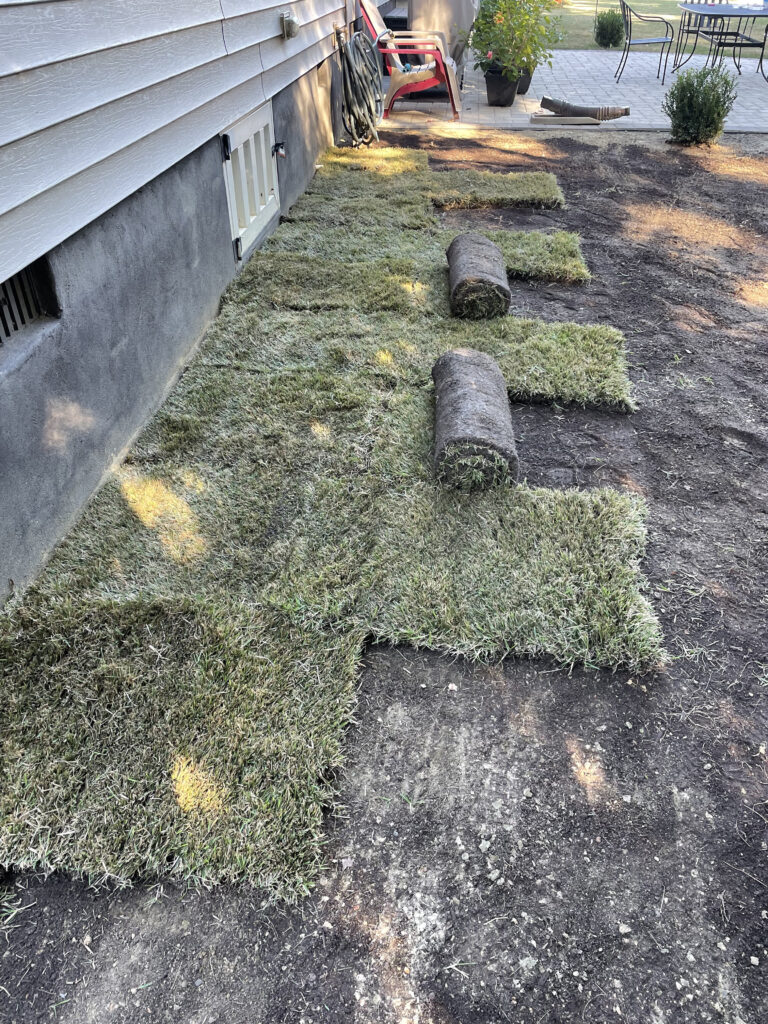
Bermuda spreads through both above-ground runners and underground stems, which is why it fills in so quickly. That same vigor means it can creep into flower beds if you do not edge it.
Zoysia spreads more slowly and weaves a tight, even mat over time. The slow growth means less mowing for you, but also a longer wait for a brand new lawn to fill in.
Which Grass Is Best for Your North Carolina Yard?
The best grass for your yard depends mostly on sunlight, with traffic and maintenance close behind. Map your sun first, then weigh how you actually use the space.
We install zoysia, bermuda, and centipede sod across Johnston County, so we see how each performs in real yards. Here is how to read your own space.
Best for Full Sun Yards
Bermuda is the top choice for wide open yards that bake in the sun all day. It needs roughly seven hours or more of direct light to stay thick and healthy.
In a sunny yard, Bermuda rewards you with fast growth and quick repair after heavy use. Give it shade, though, and it thins out and struggles.
Best for Yards With Some Shade
Zoysia wins in yards with a few trees or buildings that throw afternoon shade. It holds its color and density in light shade, where Bermuda would go patchy.
Zoysia is not a deep shade grass, so a heavily wooded yard still poses a challenge. For spots under dense trees, ground cover or mulch beds often work better than any grass.
Best for Kids, Pets, and Heavy Traffic
Bermuda is the better pick for busy yards with kids, dogs, and constant play. Its fast recovery means worn paths green back up quickly.
Zoysia handles moderate traffic and feels wonderful underfoot, but it heals more slowly. If a worn spot appears, zoysia takes longer to fill back in.
Best for Low Maintenance
Zoysia is the easiest grass to live with once it is established. Its slow growth means you mow less often, and its dense mat naturally crowds out many weeds.
Bermuda grows fast and wants frequent mowing during peak summer. If a hands-off lawn is your goal, zoysia usually fits the lifestyle better.
Caring for Zoysia and Bermuda in the Piedmont
Both grasses thrive with full sun, good drainage, and proper mowing, but their care differs in the details. A few simple habits keep either lawn looking its best here.
Our clay soil and humid summers shape how you mow, water, and feed these grasses. Local care beats generic advice every time.

Mowing Height and Frequency
Bermuda likes a shorter cut, often around one to one and a half inches, mowed frequently in summer. Keeping it short and dense helps it crowd out weeds.
Zoysia does well, a bit taller, around one and a half to two and a half inches, and needs mowing less often. A sharp blade matters for both, since dull blades shred the tips and invite disease.
Watering and Drought
Both grasses are drought-tough once established, which makes them smart picks for our hot summers. They prefer deep, infrequent watering of about one inch per week.
Bermuda may go dormant and tan in a long drought, then green up when rain returns. Zoysia holds color a little longer but still benefits from a deep weekly soak in peak heat.
Soil, Drainage, and Thatch
Good drainage keeps both grasses healthy, and our heavy clay can trap water if the grading is off. Soggy ground leads to root rot and thin turf.
Zoysia can build a thatch layer over time, so occasional dethatching keeps it breathing. Proper grading and drainage before you lay sod prevents most long-term lawn headaches.
Should You Choose Sod or Seed for Zoysia and Bermuda?
Sod is the faster, more reliable way to get a zoysia or Bermuda lawn, especially with zoysia. Seed is cheaper up front but slower and trickier to establish here.
Zoysia seed in particular is slow and unpredictable, so most quality zoysia lawns start from sod. Bermuda can grow from seed, yet sod still gives you an instant, even lawn.
Why Sod Often Wins
Sod gives you a finished lawn in a day instead of a season of waiting and weeding. It also fights erosion right away, which matters on the slopes common around here.
With a professional sod installation, the soil prep, grading, and grass choice are handled for you. You skip the trial and error and get a lawn that roots strongly.
When Seeding Makes Sense
Seeding can work for Bermuda on a tight budget when you have time to wait. You need warm soil, steady moisture, and patience while the lawn fills in.
For zoysia, seed rarely delivers the thick, even carpet most homeowners want. If you love the zoysia look, sod is almost always the better road.
What About Centipede Grass? A Third Option for NC Yards
Centipede grass is a third warm-season choice worth knowing about before you settle on zoysia or Bermuda. It is the low effort, low input option that suits certain Carolina yards beautifully.
We install centipede sod, too, and it shines in the right setting. Here is when it earns a spot in the conversation.
Where Centipede Grass Fits
Centipede thrives in sandy, acidic soil and asks for very little feeding or mowing. If you want the lowest maintenance lawn possible and have the right soil, centipede is hard to beat.
It does not handle heavy traffic or deep shade as well as the other two. Centipede also greens up slowly in spring, so patience pays off with this grass.
How the Three Grasses Compare
Seeing all three together helps you weigh the trade-offs at a glance. This grid sums up the choice for a typical Johnston County yard.
| Trait | Bermuda | Zoysia | Centipede |
|---|---|---|---|
| Maintenance | High | Low to moderate | Very low |
| Sun needs | Full sun | Sun to light shade | Full sun to light shade |
| Traffic tolerance | Excellent | Good | Low |
| Best soil | Most soils | Most soils | Sandy and acidic |
| Feel | Fine, firm | Soft, dense | Medium, coarse |
For most sunny, active family yards, the choice still comes down to Bermuda or zoysia. Centipede is the quiet pick for a low-traffic yard with sandy soil.
Cost and Long-Term Value of Zoysia vs Bermuda
Bermuda usually costs less to install than zoysia, but zoysia can save you time and effort for years. The smarter comparison looks at the full picture, not just the price of the sod.
Think about what your weekends and your water bill are worth to you. A grass that needs less mowing and fewer inputs can pay you back over time.
Upfront Cost
Bermuda sod is generally the more affordable of the two at installation. Zoysia often costs a bit more because it grows more slowly and takes longer for sod farms to produce.
The exact price depends on your yard size, soil prep, and grading needs. We give you a clear quote so there are no surprises down the road.
Long-Term Maintenance Value
Zoysia tends to cost less in ongoing care thanks to slower growth and strong weed resistance. You mow less, fight fewer weeds, and often spend less on products over the years.
Bermuda costs more in mowing time during summer, but rewards you with fast repair and toughness. For a busy, sun-soaked yard, that durability is real value.
Common Mistakes When Choosing Between Zoysia and Bermuda
Most grass regrets come from a few avoidable mistakes made before the sod ever goes down. Knowing them ahead of time helps you choose with confidence.
We see these slip-ups often, and each one is easy to dodge. Here is what to watch for.
Ignoring How Much Sun the Yard Really Gets
Many homeowners overestimate their sunlight and pick Bermuda for a yard that is partly shaded. Bermuda then thins out, and the lawn never looks full.
Spend a day noting where the sun falls and for how long. That single step prevents the most common grass mismatch we run into.
Forgetting About Soil and Drainage
Grass choice means little if the ground underneath holds water or sits unevenly. Even the toughest Bermuda struggles in a soggy, poorly graded yard.
Good grading and drainage come first, then the right grass thrives on top. We handle both, so your new lawn starts on solid footing.
Choosing on Price Alone
Picking the cheapest option without thinking about upkeep often costs more later. A bargain grass in the wrong yard means constant patching and frustration.
Weigh the long-term care, not just the initial price. The right grass for your life is the one that saves you time and trouble season after season.
Skipping Local Advice
Generic online tips rarely account for Carolina clay, Piedmont heat, and our humid summers. A grass that thrives in Texas or Florida may falter here.
Local guidance matches the grass to our real conditions and your specific yard. That is where a quick conversation with us saves you a lot of guesswork.
Frequently Asked Questions
Is zoysia or Bermuda better for North Carolina?
Both work well in North Carolina because they are warm-season grasses built for our heat. Bermuda is better for full sun and heavy traffic, while zoysia is better for light shade and lower maintenance.
Do zoysia or Bermuda need more water?
The two grasses have similar water needs, around one inch per week once established. Bermuda is slightly more drought-tolerant, but both prefer deep, infrequent watering over daily sprinkling.
Which grass is softer, zoysia or Bermuda?
Zoysia is the softer of the two and feels like a dense, cushioned carpet underfoot. Bermuda has a finer but firmer texture, which many people still find comfortable.
Will zoysia take over Bermuda or the other way around?
In full sun, aggressive Bermuda often crowds into zoysia over time. In shadier spots, zoysia tends to hold its ground because Bermuda weakens without strong sunlight.
Does zoysia or Bermuda turn brown in winter?
Both grasses go dormant and turn tan or brown once cold weather arrives. This is normal for warm-season grass in our climate, and both green back up in spring.
Which grass needs less mowing?
Zoysia needs less mowing because it grows more slowly than Bermuda. Bermuda grows fast in summer heat and usually needs cutting more often to stay neat.
Let Us Help You Pick and Plant the Right Grass
Choosing between zoysia and Bermuda is easier with someone who plants both every week. We help homeowners across Johnston County match the right grass to their yard, then install it the right way.
Local Grass Knowledge You Can Trust
We know how zoysia, Bermuda, and centipede really perform in Carolina clay and Piedmont sun. That experience means you get a lawn suited to your yard, not a guess from a big box store.
From soil prep and grading to the final sod installation, we handle the heavy work. You get a green, even lawn without the weekend labor.
Serving Willow Spring and Johnston County
We proudly serve Willow Spring, Clayton, Fuquay Varina, Holly Springs, and nearby communities. Your yard gets treated like our own, every time.
Ready to Get Started?
Call us today at (919) 673-3956 to talk through your grass options, or request your free quote online. We lay the sod, and you cross the yard off your to-do list.