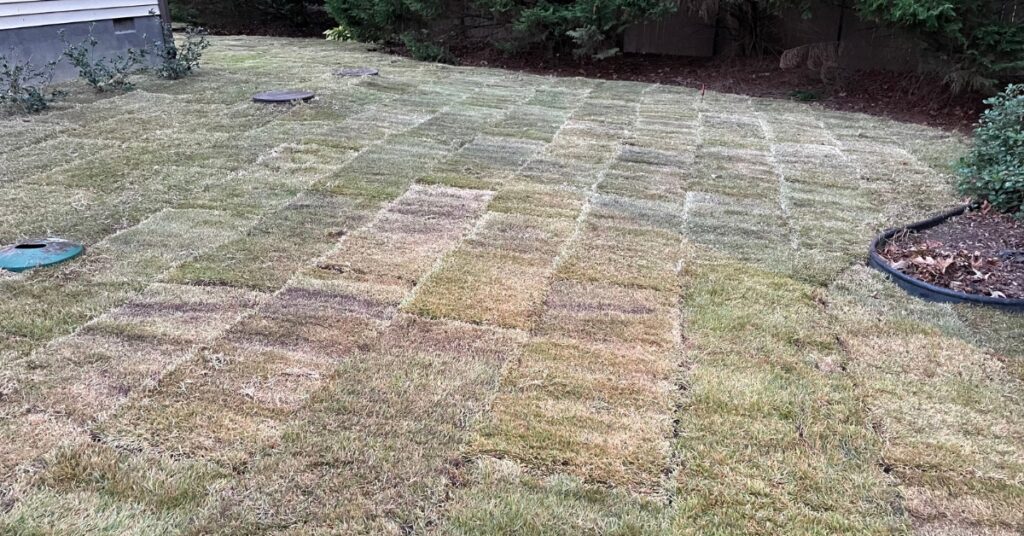

If your grass looks thin, patchy, or just plain tired, lawn overseeding can make all the difference. It’s one of the simplest ways to breathe life back into a struggling yard.
When you overseed, you’re not starting from scratch. Instead, you add fresh grass seed directly to your existing lawn to thicken it up and fill in bare spots.
This is your chance to create a lawn that feels soft underfoot and looks great from the curb. You’ll also help your yard resist weeds, drought, and disease.
Here’s what you need to know about why lawn overseeding works—and when to do it for the best results.

Overseeding: Lawn Renovation Steps That Work for Those Bare Spots
Overseeding can bring your yard back to life if you’re tired of looking at patchy, dull grass. In North Carolina’s humid summers and mild winters, timing and technique matter more than you think.
Know When to Overseed
Timing depends on the type of grass in your yard. Most lawns in Johnston County grow cool season grasses like tall fescue or perennial ryegrass.
For cool season grasses, aim to overseed in late summer or early fall. The soil is still warm enough to help seeds germinate, and weeds start to fade.
Warm season grasses like Bermuda or Zoysia grow best when overseeded in late spring. This gives new grass a solid start before summer heat kicks in.
Prep Your Lawn Like a Pro
Before spreading any seed, you need to get your lawn ready. A little prep makes the difference between wasted effort and a lawn full of new grass.
Do these first:
- Mow your existing lawn short
- Remove clippings so seeds reach the soil
- Rake or power rake to loosen thatch
- Use a core aerator if you have compacted soil
These steps help create direct soil contact, which is key for new seed to grow strong.
Choose the Right Grass Seed
The best grass type depends on your yard’s sun, shade, and use. Here in the Triangle, most homeowners use tall fescue seed for its durability and dark green color.
If you want fast germination, perennial ryegrass works well but may not last as long. Kentucky bluegrass adds beauty but takes longer to sprout.
Still unsure? Here’s how to decide:
- Use tall fescue for high-traffic areas
- Choose annual ryegrass for quick temporary cover
- Mix grass species to balance beauty and strength
Always check the label for how much seed to apply per 1,000 square feet.
Get your lawn looking thick, green, and healthy with our lawn seeding and aeration services, designed to improve growth, fix bare spots, and strengthen your turf.
Spread Your Seed Evenly
You don’t need a fancy machine, but a broadcast spreader helps avoid clumps and bare soil spots. Walk slowly and overlap each pass slightly.
Focus on thin areas, but cover the whole yard to keep your turf even. Bare patches should get a little extra attention and seed.
Boost Growth With Starter Fertilizer
A starter fertilizer feeds your seed without burning it. It adds phosphorus, which encourages strong root development.
Avoid using high-nitrogen fertilizer during seeding. Nitrogen feeds existing grass but doesn’t help new seedlings get started.
Keep the Soil Moist
Water is key in the first few weeks. Your goal is to keep the top layer of soil moist—not soaked.
Use these tips:
- Water lightly two or three times a day at first
- Reduce frequency after seeds germinate
- Don’t let the ground dry out completely
- Watch for runoff on slopes or compacted soil
In our area, fall often brings some rain, but dry spells still happen. A sprinkler with a timer helps when you’re busy.
Protect and Maintain Your Progress
Avoid heavy foot traffic for the first month. Seedlings are fragile and need time to anchor into the soil.
Don’t mow until the new grass reaches about three inches. Then mow gently, cutting no more than a third of the blade at a time.
Stick with smart lawn care practices like:
- Regular soil testing
- Slow-release fertilizer
- Proper mowing height
- Controlling broadleaf weeds early
These habits lead to a green lawn with fewer weeds and more drought resistance.
Overseeding isn’t a quick fix, but it works when you treat your lawn like the living system it is. Bare patches become green, full turf you can be proud of.
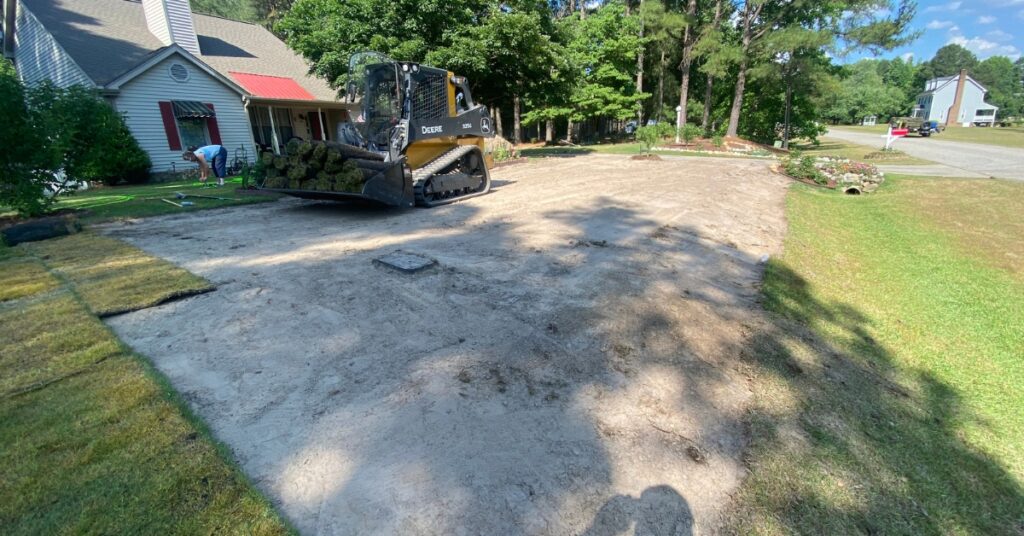
Southern State Landscape: Lawn Overseeding Services for JoCo and Beyond
At Southern State Landscape, we make it easy to turn bare patches into a lush, green lawn. If your yard in Johnston County or surrounding areas needs help, overseeding is one of the fastest ways to see results.
What We Do for Overseeding
We combine core aeration and lawn overseeding into one powerful service. You’ll get better seed-to-soil contact, which gives new grass the best shot at germinating quickly.
Here’s what our process includes:
- Core aeration to loosen compacted soil
- High-quality tall fescue seed ideal for local conditions
- Spot-treatment for bare patches and thin areas
- Starter fertilizer to feed new seedlings
- Advice on watering and follow-up lawn care
You don’t have to figure this out alone. We take care of the heavy lifting and walk you through what happens next.
Why It Works in Johnston County
Our local soil, weather, and mix of warm- and cool-season grasses require region-specific care. We know which grass species perform best in Clayton, Smithfield, Benson, and Willow Spring.
We use tall fescue blends that resist drought, tolerate heavy foot traffic, and green up fast. With the right approach and seed choice, most lawns in JoCo respond well within just a few weeks.
How We Keep It Simple for You
You don’t need to rent equipment or guess how much seed to spread. We handle it all for you.
With our no-contract service, you get flexibility and results:
- No long-term commitments
- Timely communication
- Transparent pricing
- Fast, friendly crews that show up when scheduled
We respect your time, and we keep your lawn care stress-free.
Ready to Fill in Those Bare Spots?
Let’s get your lawn looking thick, green, and healthy. Call Southern State Landscape today at (919) 673-3956 to schedule a free lawn overseeding and aeration quote for your home or HOA property.