
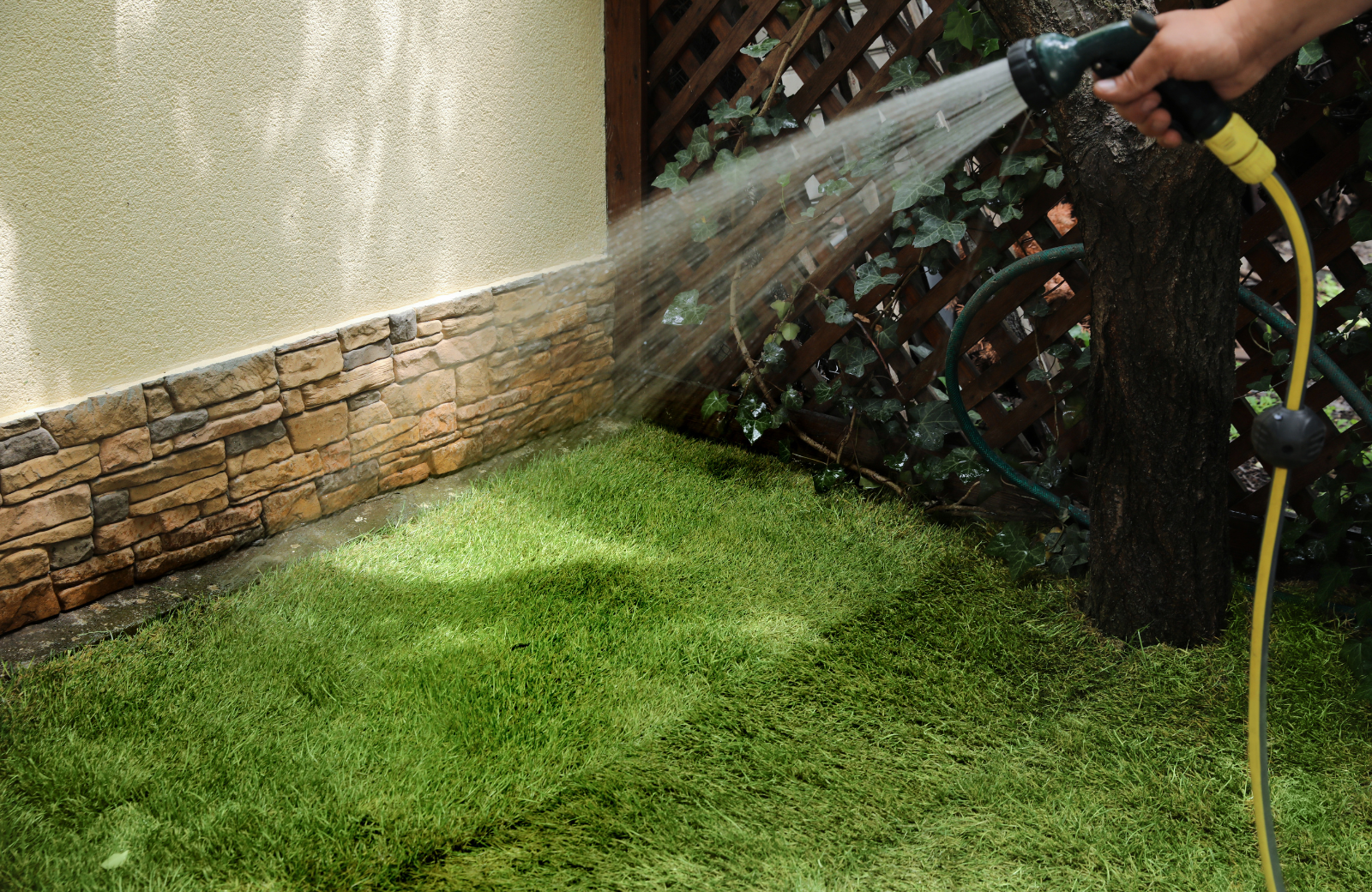
Water new sod every single day for the first two weeks, and give it one deep soaking the moment it goes down. That is the short answer to how often to water new sod, and getting it right is the difference between a lawn that roots in fast and one that dries into brown, curling patches.
Fresh sod has no deep roots yet, so it leans on you for every drop it gets. Your job is to keep the soil underneath it moist, never soggy, until those roots grab hold and the seams knit together into one solid lawn.
We install sod across Johnston County and the greater Raleigh area, and watering is the question we hear most after the crew pulls away. Here is exactly how to do it, week by week, so your investment takes hold and stays green.
Your New Sod Watering Checklist
Start here today, then read on for the full week-by-week plan.
- Soak the new sod right after it is laid until the soil is wet about 4 inches down.
- Water every day for the first two weeks, and more often on hot or windy days.
- Water early in the morning so the blades dry off before nightfall.
- Check moisture by lifting a corner and pushing a screwdriver into the soil.
- Ease back to two or three deeper waterings a week once the sod roots in.
How Often Should You Water New Sod After Installation?
Water new sod once or twice a day for the first week, keeping the soil moist to a depth of about 4 inches at all times. The very first watering matters most, and it should happen within minutes of the last piece going down.
According to Clemson Cooperative Extension, you should irrigate newly laid sod to a depth of 4 inches right after installation to promote deep root growth. In the absence of good rain, water daily or as often as needed during that first week to keep the soil moist at least 4 inches down.
That depth is the whole point. Roots chase water, so if the moisture sits deep, the roots grow down to find it and anchor your lawn.
Getting how often to water new sod right in these first days is the single biggest factor in whether your lawn thrives or thins out.
Sod is a living product on a tight clock. Clemson notes that sod generally must be laid within 48 hours of delivery, and once it is down, it can dry out fast in the summer sun. Frequent watering in those first days keeps the pieces alive while they fuse to the ground.
By the second week you can usually drop to once a day, since the roots are starting to reach into the soil below. You still want steady moisture, just a little less often as the lawn begins to support itself.
If the first week lands during a stretch of heat, split the watering into a morning soak and a lighter midday drink. That midday touch-up keeps the corners and seams from crisping while the roots are still shallow.
Water Smarter, Not Harder
New sod rewards a steady routine, and we are glad to set one up for you. If you want a professional sod installation that comes with a clear watering plan, call us at 919.673.3956 or request your free quote, and we will walk your yard with you.
What Is the Best Time of Day to Water New Sod?
Early morning is the best time to water new sod, ideally between first light and about 10 a.m. The air is cool, the wind is calm, and the grass has all day to dry before dark.
Morning watering lets the moisture soak in instead of burning off in the afternoon heat. It also means the blades are not sitting wet overnight, which is when lawn diseases love to move in.
On very hot days, you can add a short second watering around midday. Clemson recommends watering newly laid sod lightly during the midday hours until it roots into the soil below, which cools the surface and protects the shallow roots.
Try to avoid watering in the evening once the first days are behind you. Water that sits on the blades all night invites fungus, and that is the last thing a young lawn needs.
How Much Water Does New Sod Need Each Week?
New sod needs enough water to keep the top 4 inches of soil consistently moist, which usually works out to more frequent, lighter sessions than an older lawn ever needs. You are aiming for a soil that feels like a wrung-out sponge, damp but not dripping.
Once your lawn is established, the numbers settle down. According to NC State Extension, zoysiagrass needs about 0.5 to 1 inch of water a week, and when rain falls short, you make up the difference with the sprinkler.
New sod is different because its roots have not reached that deep reserve yet. So instead of one big weekly soak, you give it several smaller drinks that keep the surface layer moist while the roots grow down.
A simple way to measure output is to set a few shallow cans or cups around the yard while you water. When they collect roughly a quarter to a half inch, you know how long your sprinkler needs to run to reach that goal.
Sandy soil drains fast, so it needs water more often. NC State Extension points out that on sandy soils, zoysiagrass may need up to a half inch of water every third day once it is established, and young sod on that same soil will want even more frequent attention.
How Can You Tell if New Sod Is Getting Enough Water?
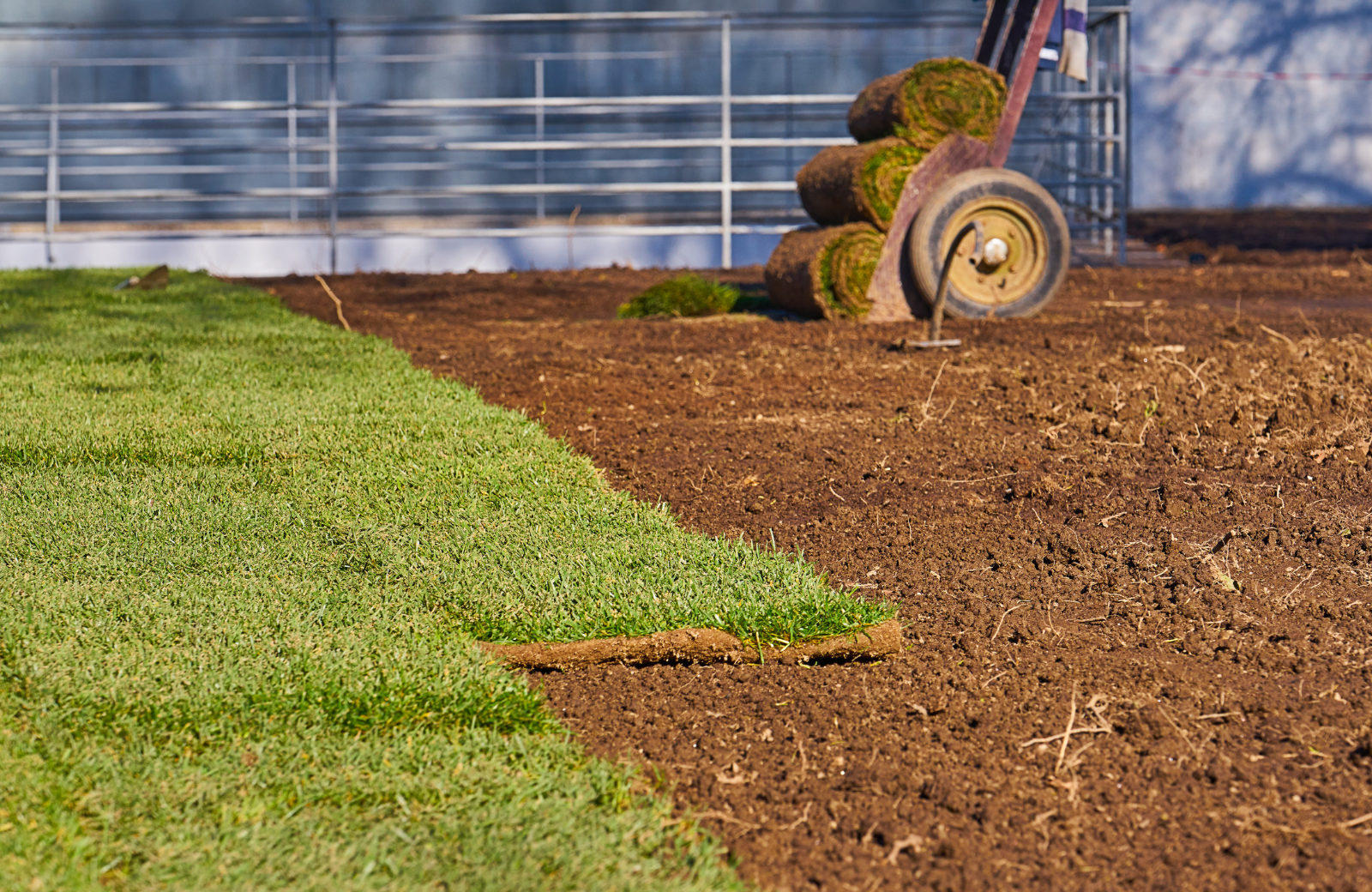
The fastest test is to lift a corner of the sod and push a screwdriver into the soil underneath. If it slides in easily and comes out damp, your watering is on track, and if the ground is hard or dry, you need more.
NC State Extension suggests probing the soil with a screwdriver or similar tool to check how deep your water is reaching. It is a free, foolproof way to see what is happening below the surface.
Your grass will also tell you when it is thirsty. Extension specialists note that a dull bluish gray color, footprinting that stays visible after you walk across, and wilted or curling leaves all signal that it is time to water.
Watch the seams too. If the edges of each piece start to shrink, curl up, or turn brown, the sod is drying out and pulling apart, and you need to water more often right away.
On the other side, standing water, a spongy squish underfoot, or a sour smell means you have gone too far. Ease off and let the surface firm up before the next session.
How Should Your Watering Schedule Change Week by Week?
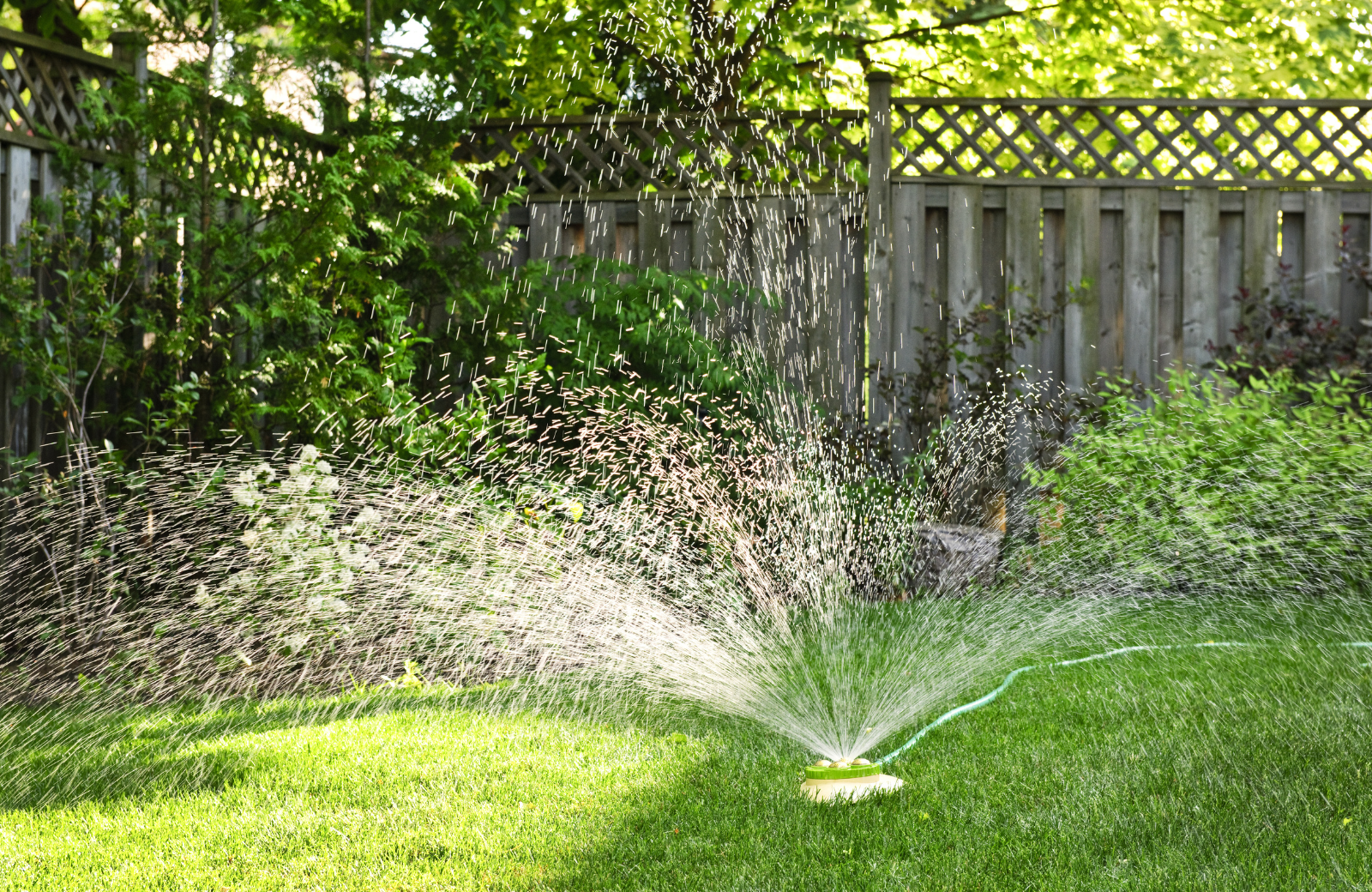
Your watering should taper from daily and shallow to weekly and deep as the roots grow, usually over about four weeks. The chart below shows the typical path for a summer install in our area.
| Timeframe | How Often to Water | Your Goal |
|---|---|---|
| Day of install | One deep soak | Wet the soil 4 inches down and settle the sod |
| Week 1 | Once or twice a day | Keep the top 4 inches constantly moist |
| Week 2 | About once a day | Steady moisture as roots begin to reach down |
| Week 3 | Every other day | Encourage roots to grow deeper for water |
| Week 4 and beyond | Two or three times a week, deeper | Transition to a normal, established routine |
Think of it as teaching the roots to reach. Early on you feed the surface, and later you water deep and less often so the roots follow the moisture down.
Weather can shift these dates. A cool, cloudy week may let you water less, while a hot, dry stretch may keep you on the daily plan a little longer.
Can You Overwater New Sod?
Yes, you can absolutely overwater new sod, and it causes as much trouble as letting it dry out. Too much water pushes air out of the soil and leaves the roots gasping instead of growing.
When the ground stays soaked, roots stay shallow because they have no reason to reach down. That leaves you with a lawn that looks fine in June and struggles the moment summer heat arrives.
Constant wetness also opens the door to fungus and rot. If you notice a slimy feel, patches of mold, or mushrooms popping up along the seams, back off the watering and let the surface dry between sessions.
The fix is simple. Water enough to keep the soil moist, and no more; always let the very top dry slightly before the next round once you are past the first few days.
How Does North Carolina Weather Change Your Sod Watering Schedule?
Our warm, humid summers mean new sod dries out faster and needs water more often than sod laid in cooler months. Heat, wind, and full sun all pull moisture out of the blades and the thin layer of soil under them.
Most warm-season sod like Bermuda and Zoysia goes down in late spring and summer here, right when the sun is strongest. That is exactly when your daily watering routine matters most.
Soil type plays a big role across Johnston County and the Piedmont. Heavy clay holds water longer, so you water a bit less often, while sandy spots drain quickly and need more frequent drinks.
Rain helps, but only when it truly soaks in. A light shower barely wets the surface, so keep watering unless a steady rain has soaked the ground several inches deep.
Slopes and sunny south sides dry out first, so give those areas extra attention. If water runs off a slope before it soaks in, water in two shorter bursts so the ground has time to drink.
When Can You Treat New Sod Like an Established Lawn?
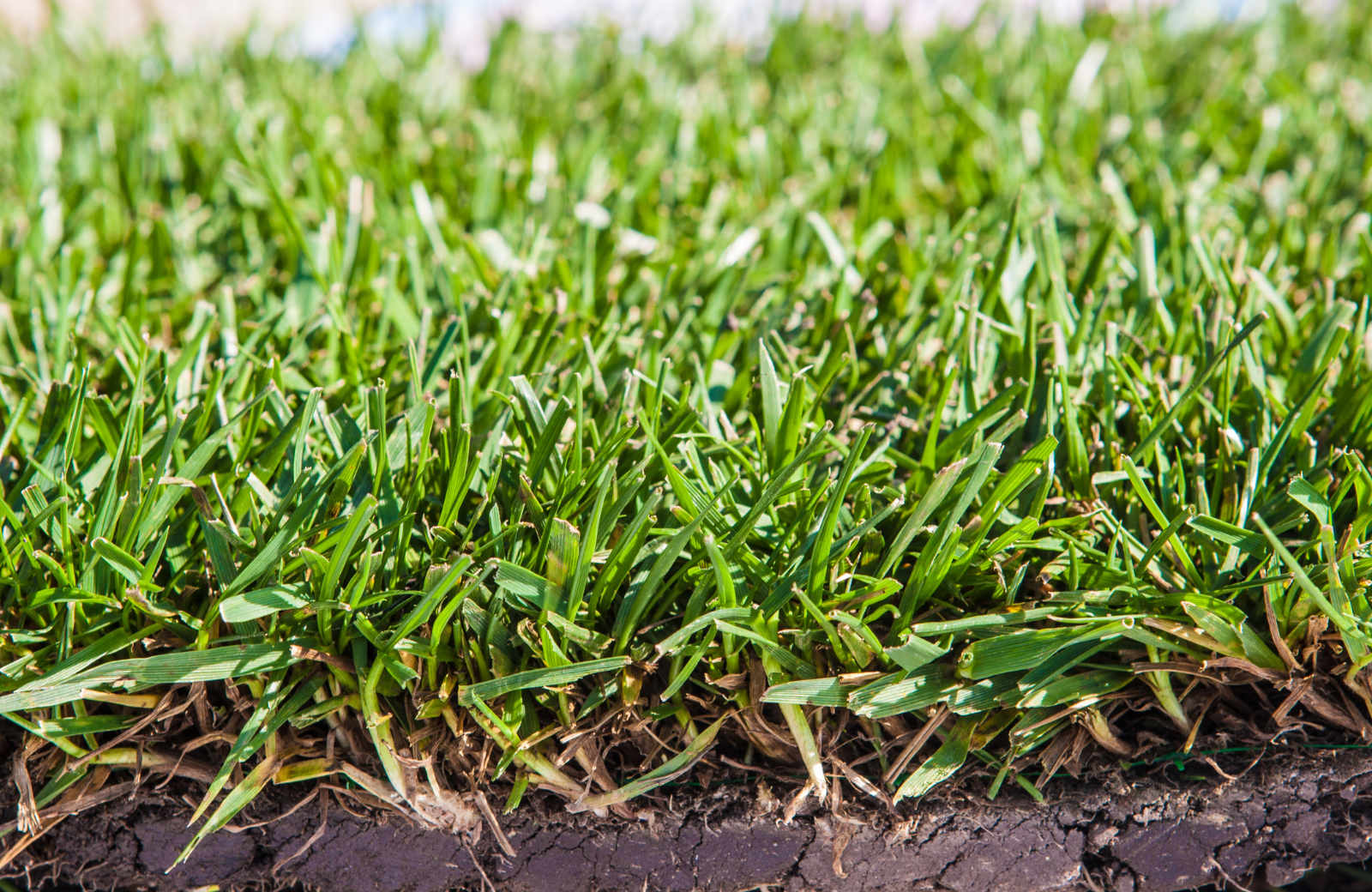
You can switch to a normal watering routine about three to four weeks after installation, once the sod has rooted firmly into the soil. The classic test is to grab a corner and tug gently, and if it resists and will not lift, the roots have taken hold.
At that point you shift to deep, infrequent watering, roughly two or three times a week, so the roots keep growing down. Established warm season grass in our area is happy on about 0.5 to 1 inch of water a week, rain included, based on NC State Extension guidance.
Hold off on the first mow until the sod is anchored. Clemson advises that you should not mow until the sod is firmly rooted and securely in place, then mow at the normal height for your grass.
From there, your lawn is off and running. Deep roots, steady color, and far less watering are the payoff for those careful first few weeks.
Frequently Asked Questions About Watering New Sod
How long does new sod take to root?
Most new sod knits to the soil within about two to three weeks and is fully established in three to four weeks. Warm season grasses laid in peak summer can take a little longer, so keep watering until a gentle tug on a corner meets real resistance.
Should you water new sod when it rains?
You can skip a watering only when a steady, soaking rain has wet the ground several inches deep. A light sprinkle barely reaches the roots, so check the soil with a screwdriver and water again as soon as the top begins to dry.
What happens if you do not water new sod enough?
Underwatered sod shrinks at the seams, browns along the edges, and can die in patches that are slow and costly to fix. Once a piece dries out completely, it rarely recovers, which is why daily water matters so much in those first two weeks.
Can you water new sod too much?
Yes, overwatering keeps roots shallow and invites fungus, rot, and a spongy, unhealthy lawn. Aim for soil that feels like a wrung-out sponge, and let the surface dry slightly between sessions once the first few days have passed.
How soon can you walk on or mow new sod?
Stay off new sod as much as possible for the first two to three weeks so you do not disturb the shallow roots. Wait to mow until the sod is firmly rooted, the soil is slightly dry so the mower does not tear it, and the grass has reached mowing height.
Does new sod need less water in the fall?
Yes, cooler temperatures and shorter days mean sod laid in fall loses less moisture and needs watering less often than a summer install. You still keep the soil moist while it roots, but you will likely water fewer times each day as the weather cools.
Enjoy a Green Lawn Without the Guesswork
We Handle the Sod So You Can Enjoy the Yard
A beautiful lawn should feel like a relief, not another chore on your list. We prep the soil, lay healthy sod, and hand you a simple watering plan so your grass roots in strong and looks great fast.
A Proper Install Makes Watering Easy
When the grading and soil prep are done right, water soaks in evenly instead of pooling or running off. Our sod installation service sets your lawn up so that steady, simple watering is all it takes to thrive.
Get Your Free Quote Today
Ready for a yard you can finally cross off your to-do list? Call us at 919.673.3956 or request your free quote, and we will help you get a lush, healthy lawn without the guesswork.