

When water sits in puddles, mud tracks into the house, or the yard feels unusable after every rain, it stops being a place you enjoy and starts feeling like one more headache on your list.
Yard grading is simply shaping the ground so water goes where it should.
Get it right and you see fewer muddy spots, healthier grass, and a yard that feels safe and solid under your feet.
In Johnston County, this matters even more. Heavy storms, clay soils, and new construction can all leave you with low spots, standing water, or a slope that quietly sends water toward your foundation instead of away from it.
This blog walks you through what grading really involves before you dive into a DIY project.
You learn what you can reasonably handle on your own, where people usually run into trouble, and when it makes more sense to let a professional crew step in so you protect your time, your property, and your peace of mind.
Understanding Yard Grading Basics
Grading sounds technical, but it really comes down to shaping the ground so water flows away from places it can cause trouble. You create a gentle, planned slope instead of random dips, humps, and low spots that trap water.
For most homes and properties, the soil near buildings sits a bit higher and slowly slopes away.
When that slope is set correctly, water moves off the lawn, away from foundations, and into areas that can handle it.
Proper grading helps in several important ways. It can:
- Keep basements and crawlspaces drier
- Prevent soggy, muddy patches in the yard
- Protect patios, walkways, and driveways from erosion
- Give grass roots a better chance to thrive
You do not need to think like an engineer to understand it.
You just need to picture where water wants to go after a storm and then shape the soil so it goes there safely.
Signs Your Yard Has A Grading Problem
You often spot grading trouble long before you hear the word grade.
You just know the yard is a mess after rain and feels hard to use on a regular basis.
Common signs of grading problems include:
- Puddles that stick around for more than a day
- Soft, squishy ground when you walk across the lawn
- Water that runs toward the house instead of away from it
- Mulch that washes out of beds after every storm
- Exposed roots where soil has washed downhill
- A bumpy or uneven lawn where mowers scalp high spots
For busy homeowners, this can mean kids and pets tracking mud on floors every week.
For property managers and HOAs, it often shows up as complaints about unusable common areas or muddy stretches along sidewalks and parking spaces.
In rental or office properties, poor grading can also look like:
- Mossy, slick walkways where water lingers
- Water pooling near steps and entrances
- Standing water around air conditioning units or utility pads
If any of this feels familiar, grading sits at the heart of the problem, even if you have already tried seeding, aeration, or new sod with little improvement.

Why Yard Grading Is So Important In Johnston County
In Willow Spring and across Johnston County, you deal with a few extra challenges when it comes to drainage. Local soils often include heavy clay, and that clay holds water instead of letting it soak in quickly.
When clay gets saturated, water needs a clear path to move somewhere else. If the grade works against you, the water sits in the yard, and your lawn turns into a temporary pond that disrupts your routines.
Around homes and managed properties, you also see:
- Sudden, heavy storms that drop a lot of rain in a short time
- New construction neighborhoods where builders left rough grades behind
- Settling soil around foundations and driveways that creates new low spots over time
Poor grading can do more than create a messy lawn. It can slowly wash soil away from foundations, cause cracks in hard surfaces, and weaken the base under walkways or parking areas.
If you manage properties, grading plays a big role in curb appeal as well. A well graded entrance with healthy turf and dry walkways makes the whole community or office park feel more cared for and safer for the people who use it every day.
Grading Yard DIY: What To Know Before You Start
Be Honest About Your Time, Tools, And Energy
Before you jump into a grading yard DIY project, it helps to take a clear look at your situation. Yard grading sounds like just moving dirt, but it can turn into a full weekend workout very fast and can stretch into multiple weekends if the area is large.
Think about a few key points before you begin:
- How large the problem areas are
- How much free time you realistically have
- Your comfort level with physical labor in the heat
- Whether you can rent, borrow, or store tools and equipment
If you already juggle work, family, and a full calendar, adding a major outdoor project can stretch you thin.
Property managers often find that grading work on shared spaces also needs coordination and communication with residents, which adds another layer of effort that goes beyond the physical labor.
Tools And Materials You Need For A Basic DIY Grade
You can tackle small problem spots with simple hand tools.
For anything much larger, the work starts to creep into skid steer or tractor territory, and that brings new costs and skills into the picture.
For a basic hand tool project, you usually need:
- Flat shovel and spade
- Metal landscape rake
- Wheelbarrow
- String, stakes, and a string or line level
- Long straight board or leveling rake
- Topsoil or a quality fill and topsoil mix
- Grass seed or sod to repair disturbed areas
You may also consider:
- A hand tamper to lightly compact soil
- A garden hose with a spray nozzle for testing drainage
Upfront costs can add up quickly if you buy everything at once.
That is one reason many homeowners and managers try to reuse tools they already own or split costs with neighbors or other properties when possible.
Safety And Utility Checks You Cannot Skip
Before you dig, you need to know what sits under the surface.
It is easy to forget about buried utilities and irrigation until a shovel hits something expensive or important.
Take these steps before you start:
- Call 811 to have underground utility lines marked
- Look for irrigation heads, drip lines, and valve boxes
- Note any low voltage lighting wires running through beds or near paths
- Watch for septic tanks, drain fields, or cleanouts
This simple planning step protects you, your property, and everyone who uses the space. It also keeps a simple DIY project from turning into a surprise repair bill or safety issue.

Simple Step By Step Guide To Regrade A Small Area Yourself
For small, local problem spots, you can follow a straightforward process. Think about areas like a low patch near a patio or a spot where water sits along a foundation after every rain.
Here is a simple path to follow for a small DIY grading project:
1. Mark the problem and the desired slope
- Use flags, paint, or garden stakes to outline the area that needs work.
- Use a string and level to check how the ground slopes now and how you want it to slope when you are done.
2. Remove existing turf where needed
- Cut and peel back sod in the area, or remove patchy grass with a shovel.
- Set healthy sod aside in the shade if you plan to reuse it when the soil is corrected.
3. Add soil to create the new slope
- Place new soil against the structure or high point, then pull it outward to create a gentle decline.
- Aim for a gradual slope, not a sharp drop, so the area still feels level when you walk across it.
4. Spread and smooth the surface
- Use a rake to even out bumps and fill small dips as you work.
- Lay a straight board or long level across the surface to check for low spots that still need more soil.
5. Lightly compact the soil
- Use a hand tamper or your feet to firm the soil, especially near the house or walkway edges.
- Add a bit more soil if compaction creates new low areas, and smooth again with the rake.
6. Reseed or resod the area
- Spread grass seed suited for your sun conditions, or lay sod back in place.
- Water lightly and consistently until new grass takes root, and try to limit foot traffic during that time.
After the first decent rain, step outside and watch how the water moves across the new grade. If it flows away from structures and does not pool for long, your small DIY grading work is on the right track.
If you are in Willow Spring, Johnston County, or the greater Raleigh area, Southern State Landscape Inc. is here to help you sort out your options.
The focus stays on saving you time, solving real yard problems, and making your outdoor spaces enjoyable again, whether you are a homeowner or manage multiple properties.
Southern State Landscape Inc. offers:
- Free lawn consultation and estimate so you understand what your yard truly needs
- Seasonal discounts on sod installation when you want instant green after grading
- Weekly mowing without contracts to keep everything looking sharp without long term pressure
- Referral rewards for repeat clients as a thank you when you send friends or neighbors their way
If you are not sure whether grading yard DIY is worth it for your situation, a simple conversation can make the next step much clearer.
Call Southern State Landscape Inc. at (919) 673 3956 and get straightforward, neighborly guidance so your yard can finally drain well and feel good to use again.
Common DIY Grading Mistakes That Create Bigger Problems
Grading looks simple from the outside, but a few common mistakes can quietly undo your hard work. Some of them even create brand new problems that are more frustrating than what you started with.
Here are issues you want to avoid when you try grading yard DIY:
- Sloping soil toward the house or building
- Pushing water toward a neighbor property line or fence
- Creating a bowl where water collects with no exit
- Piling soil above the siding line on a house
- Forgetting to match grades at patios, steps, or driveways
- Using poor quality fill that compacts like concrete or contains roots and debris
Another big mistake is skipping a clear drainage path.
If water has nowhere safe to go, it will find its own path, and that often cuts through turf, mulch, or gravel in ways that cause new erosion problems.
When DIY Grading Is Not Worth It And A Pro Makes More Sense
Some grading situations move beyond the hand tools and one weekend level. At that point, heavy equipment, careful planning, and experience matter a lot for both safety and long term results.
Watch for these red flags that suggest a project may be too complex for DIY alone:
- Water comes into the basement, crawlspace, or garage
- Large sections of the yard stay wet for days after rain
- Hillsides show visible erosion or washouts
- Multiple buildings sit close together with very tight side yards
- Shared spaces slope toward sidewalks, parking, or play areas
If you manage rental properties or HOA common areas, grading projects can also involve:
- Coordinating schedules and access with multiple residents
- Protecting existing plants, trees, and hardscapes as work happens
- Meeting safety or accessibility expectations for public spaces
In those situations, a grading yard DIY attempt can turn into long disruption and lingering frustration for everyone who uses the space, especially if the work needs to be redone.
The Hidden Costs Of A Grading Yard DIY Gone Wrong
On paper, DIY almost always looks cheaper at the start. The real cost shows up later if the grade still does not work or if new issues appear.
When grading goes wrong, you might face:
- Repeating the same project after every wet season
- Replacing damaged sod or seed more than once
- Extra trips to rent equipment again and again
- Repairs to walkways, driveways, or patios that shifted or cracked from poor support
For property managers and HOAs, you may also deal with:
- More calls and emails from frustrated residents
- Complaints about standing water or mud that never seems to go away
- Safety concerns around icy or slick spots in cold weather where water always pools
In those cases, the cheaper DIY option can end up costing more in time, energy, and follow up work than a well planned grading job done correctly the first time.
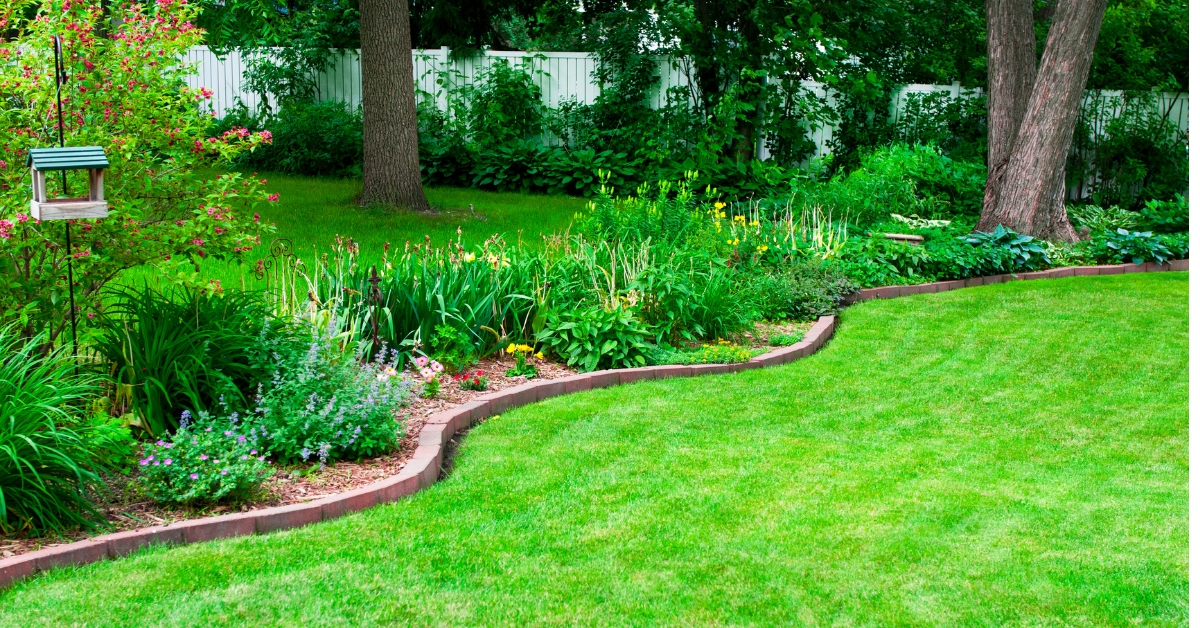
What Professional Grading Includes That DIY Usually Does Not
Even if you enjoy outdoor projects, there are parts of grading work that are tough to match without specialized tools and experience. Professional crews shape ground and direct water for a living, and that focus shows up in the details.
A full grading approach often includes:
- Site evaluation to see how water moves across the entire property instead of just one spot
- Laser levels or advanced tools to set precise slopes over longer distances
- Planning for how downspouts, swales, and drains work together as a complete system
- Coordinated soil delivery and removal so excess dirt does not sit and create new problems
- Final grading that blends into existing landscapes and hardscapes so the yard feels natural
You also see more attention to the finished surface. That can include smooth seedbeds, proper sod installation, and blending in new lawn with old so the area looks consistent instead of obviously patched.
Busy Homeowners And Property Managers: Different Needs, Same Goal
Busy homeowners usually want one main thing. They want their yard to work again without stealing all their free time and energy.
That often means:
- Tackling the worst muddy or low spots first
- Getting the yard ready before a party, holiday, or listing date
- Choosing fixes that let kids and pets use the yard again quickly
Property managers and HOAs focus more on consistency and predictability across multiple properties or shared areas. They need spaces that look good season after season and do not keep generating complaints or safety concerns.
For them, grading success often looks like:
- Entrances that stay neat, dry, and inviting
- Playgrounds and walking paths that do not flood or wash out
- Smoother mowing and maintenance for crews who care for the properties
Even though the situations differ, the goal stays the same. Everyone wants outdoor spaces that drain well, feel solid, and stay enjoyable instead of stressful.
How A Properly Graded Yard Transforms Your Outdoor Space
When grading is done right, your lawn feels completely different after a storm. Instead of puddles and muck, you step onto solid, dry ground that you actually want to use.
Kids and pets can run around without turning everything into a mud pit. You enjoy grilling, relaxing, or hosting friends because the yard finally works with you instead of against you.
Less Stress For Property Managers And HOAs
For property managers and HOAs, good grading means fewer complaints and fewer surprises. Walkways stay safer, entrance areas look sharper, and shared lawns stay cleaner and drier through more of the year.
You spend less time putting out fires and more time feeling confident about how your properties look. That steady, reliable improvement across your sites creates visible before and after results that residents notice and appreciate.
Why Local Grading Experience Matters In Johnston County
Grading in Willow Spring and the greater Johnston County area comes with local quirks. Clay heavy soils, fast storms, and new construction all shape how water moves across your properties and how long it stays where it should not.
When you work with a local team, you have people who already know how these yards behave in real life. That local experience helps create long lasting fixes instead of short term patches that wash out with the next heavy rain.
Know Your Next Step Before You Grab A Shovel
At this point, you understand what a grading yard DIY project really involves and where it can fit. You also see where it makes sense to handle a small low spot yourself and where a bigger project can eat up your time and energy.
Before you rent equipment or spend a weekend moving soil, it often helps to get a professional set of eyes on your yard.
A quick assessment can confirm if a DIY fix fits the problem or if a more complete grading plan will save you headaches later.
Talk With Southern State Landscape Inc. Before You Commit To DIY
If you are in Willow Spring, Johnston County, or the greater Raleigh area, Southern State Landscape Inc. is here to help you sort out your options.
The focus stays on saving you time, solving real yard problems, and making your outdoor spaces enjoyable again, whether you are a homeowner or manage multiple properties.
Southern State Landscape Inc. offers:
- Free lawn consultation and estimate so you understand what your yard truly needs
- Seasonal discounts on sod installation when you want instant green after grading
- Weekly mowing without contracts to keep everything looking sharp without long term pressure
- Referral rewards for repeat clients as a thank you when you send friends or neighbors their way
If you are not sure whether grading yard DIY is worth it for your situation, a simple conversation can make the next step much clearer.
Call Southern State Landscape Inc. at (919) 673 3956 and get straightforward, neighborly guidance so your yard can finally drain well and feel good to use again.