
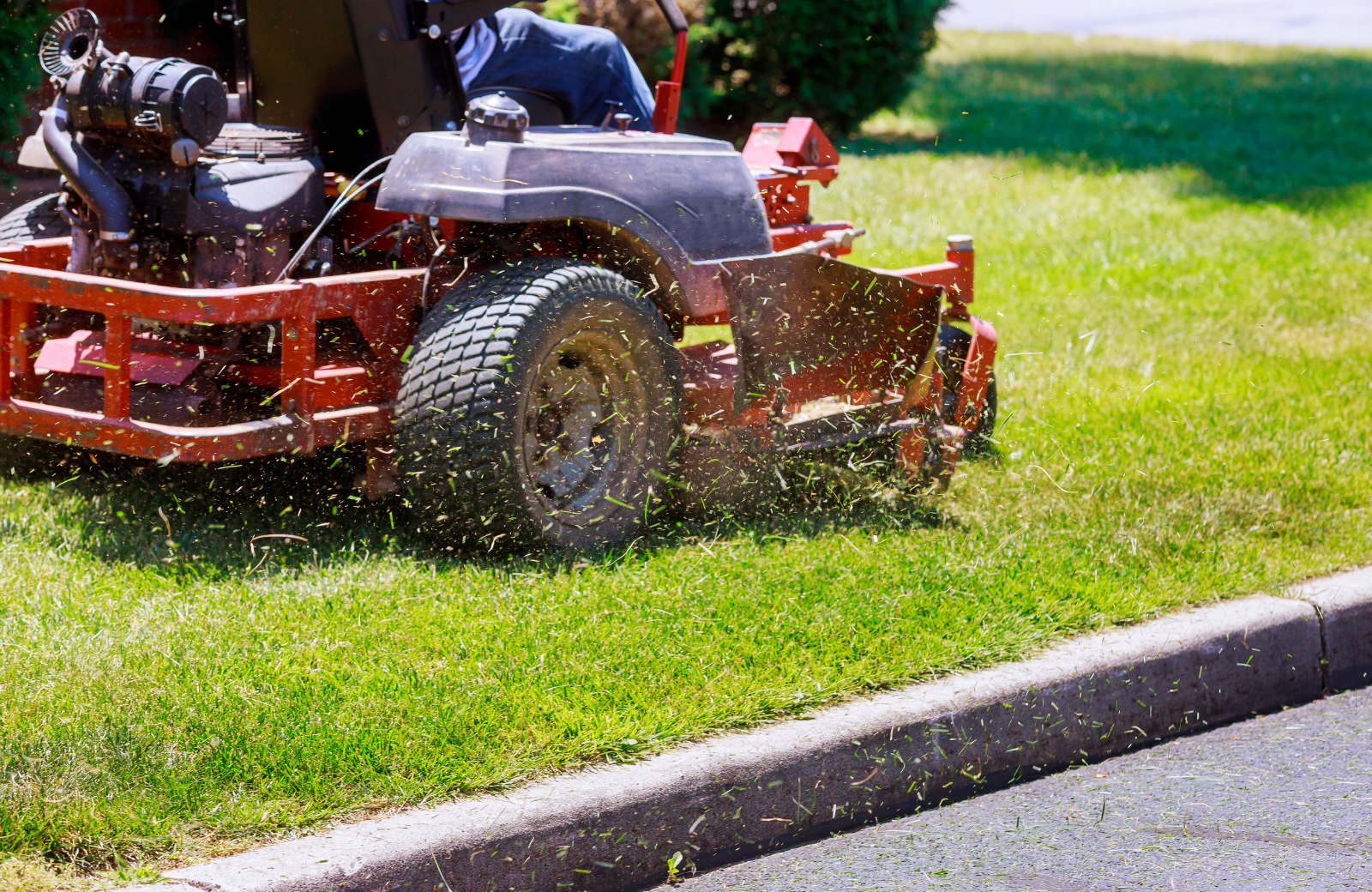
The best time to mow your lawn is mid-morning after the dew dries, roughly between 8 and 10 a.m., or in the cool of late afternoon. That is the short answer to the best time to mow lawn questions we hear all season, and the right timing keeps your grass healthier while making the job easier on you and your mower.
Timing is only half the story, though. When you cut, how often you cut, and how high you set the deck all work together to give you a thick, green lawn instead of a stressed one.
We handle mowing for homeowners all over Johnston County and the greater Raleigh area, so we see what good timing does over a full season. Here is how to get it right from spring through fall.
Your Quick Mowing Checklist
Put these five habits in place today, and your lawn will thank you.
- Mow in mid-morning once the dew has dried, or in the cool late afternoon.
- Never cut more than one third of the blade height in a single pass.
- Raise your mowing height in the heat of summer to protect the roots.
- Keep your mower blade sharp so it slices cleanly instead of tearing.
- Leave the clippings on the lawn to feed the soil for free.
What Is the Best Time of Day to Mow Your Lawn?
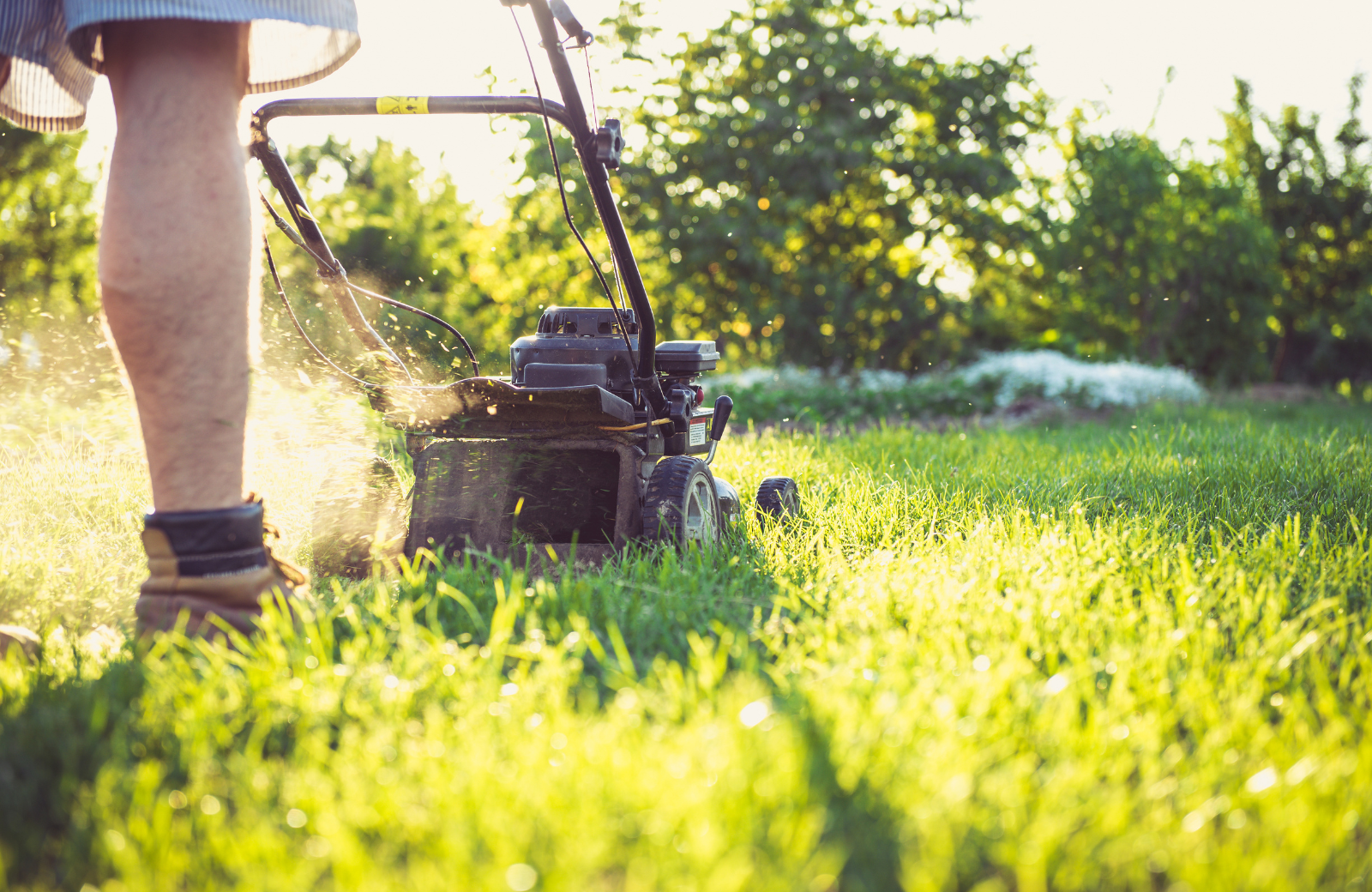
The best time of day to mow is mid-morning after the dew has dried, or the early evening a few hours before sunset. Both windows keep the grass dry and the temperatures mild, which is easier on the plant and on you.
Wet grass is the main reason to skip the early morning. Damp blades bend, clog the deck, tear instead of cutting cleanly, and spread disease from one part of the yard to the next.
Midday is the second window to avoid. Cutting in the hottest part of the day stresses grass that is already fighting the heat, and freshly cut tips can scorch before they recover.
Late afternoon works well because the sun is dropping and the grass has time to heal before nightfall. You get a clean cut without the heat and without leaving the lawn wet overnight.
Mow Less, Enjoy More
If chasing the mower is not how you want to spend your weekends, we are happy to take it off your plate. Ask about our seasonal mowing service by calling 919.673.3956 or request your free quote, and we will keep your yard sharp all season.
How Often Should You Mow Your Lawn?
Mow often enough that you never remove more than one third of the grass height at once, which usually means about once a week during the growing season. In the fast growth of late spring, you may need to cut every five to seven days, while in a dry, slow spell you can stretch it out.
Growth rate, not the calendar, sets your schedule. Warm season grasses like Bermuda and Zoysia grow quickest in the heat of summer, so that is when the mower comes out most often.
The University of Minnesota Extension puts the frequency simply. It advises mowing before the grass gets too tall, and to hold a 3-inch lawn, you should mow before it reaches about 4.5 inches.
Cool season tall fescue, common across our region, slows down in summer heat and picks back up in fall. You adjust your pace to match, mowing more in spring and fall and easing off during the hottest, driest weeks.
When life gets busy, and the grass gets ahead of you, do not scalp it back in one pass. Raise the deck, take a little off, then lower it over the next few mows until you are back to the right height.
What Height Should You Cut Your Grass?
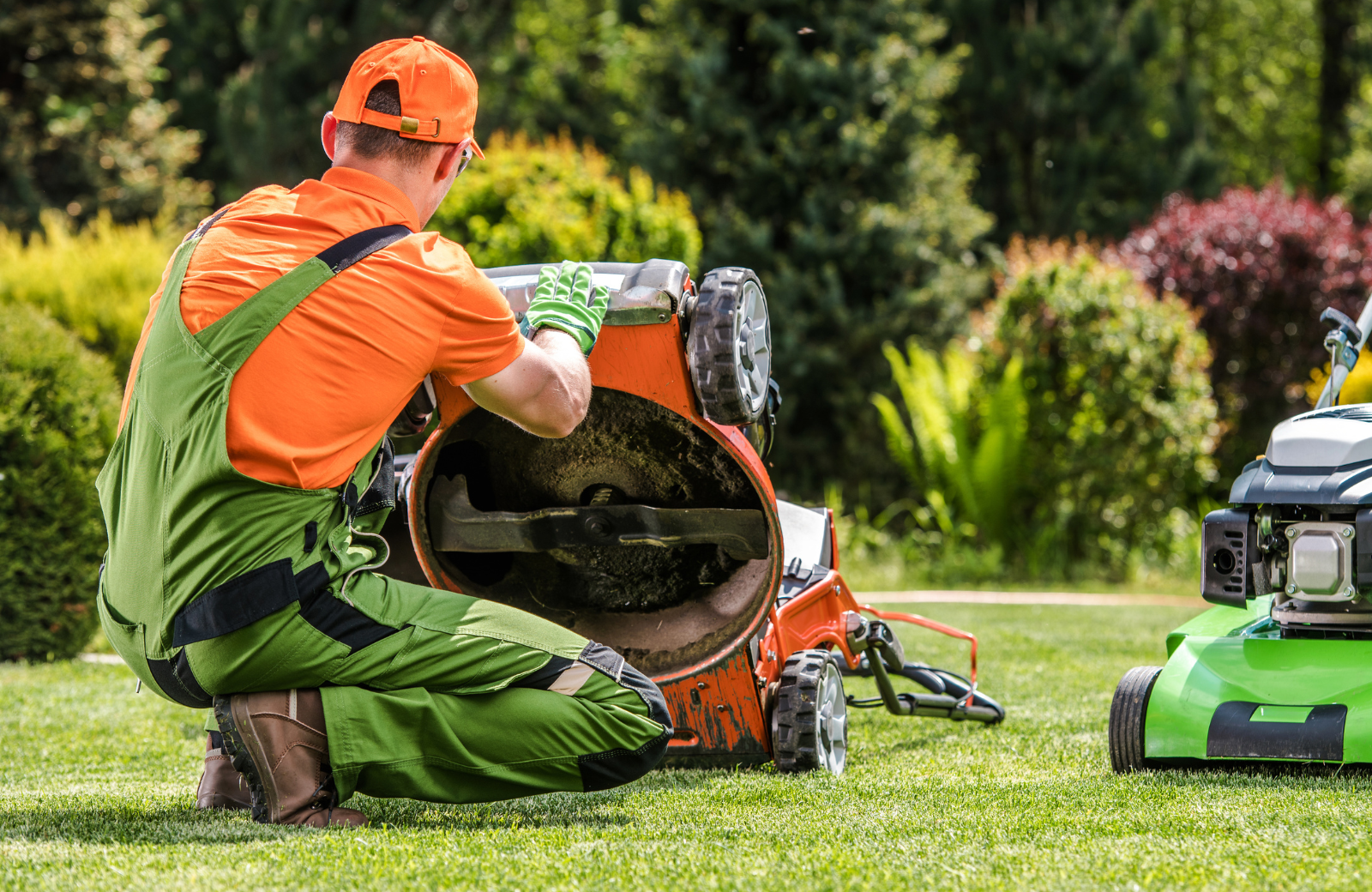
The right mowing height depends on your grass type, and cutting at that height is one of the most important things you can do for a healthy lawn. Most warm-season grasses in our area do best between 1 and 2 inches, while tall fescue prefers a taller 3 to 3.5 inches in summer.
Taller grass is stronger grass. The University of Minnesota Extension explains that taller blades shade out weed seeds, keep the soil cooler, and grow longer roots that reach deeper for water and nutrients.
The chart below shows common North Carolina lawn grasses and where to set your deck, based on mowing height guidance from Clemson Cooperative Extension.
| Grass Type | Recommended Height | Mowing Frequency |
|---|---|---|
| Tall fescue (cool season) | 3 to 3.5 inches in summer | High |
| Common bermudagrass | 1 to 2 inches | Medium to high |
| Zoysiagrass | 1 to 2 inches | Low to medium |
| Centipedegrass | 1.5 to 2 inches | Low |
| St. Augustinegrass | 2.5 to 4 inches | Medium to high |
When your grass is under stress from heat, drought, or shade, mow toward the taller end of its range. That extra length helps the lawn hang on until conditions improve.
If you are not sure which grass you have, the blade width and growth habit are good clues, and we are glad to identify it for you during a visit. A quick tip: warm season grasses tend to spread sideways and turn brown in winter, while cool season fescue grows in upright clumps and stays greener through the cold months. Knowing your grass type takes the guesswork out of every mow for the rest of the year.
Why Should You Never Cut More Than One Third at Once?
Cutting off more than one third of the blade in a single mow shocks the plant and stalls root growth. The grass has to pour its energy into regrowing leaves instead of building the deep roots that carry it through summer.
This one-third rule is the golden rule of mowing. Clemson Cooperative Extension warns that removing more than one third at one time can stop the roots from growing and force you to water more often during dry summers just to keep the plants alive.
Scalping the lawn causes a chain of problems. Short, shocked grass lets sunlight reach weed seeds, opens bare spots, and leaves the whole yard more open to disease and drought.
Sticking to the rule is easy once you know your target height. If you keep fescue at 3 inches, mow when it hits about 4 inches, and you will only ever take off that top third.
Should You Mow Higher in Summer?
Yes, you should raise your mowing height during the hottest part of summer to protect your lawn from heat and drought. Longer blades shade the soil, slow evaporation, and give the roots a better shot at staying cool and hydrated.
The University of Minnesota Extension recommends raising the mowing height by about an inch during mid-summer to improve the lawn’s ability to tolerate stress from heat and drying winds. That small change makes a real difference in July and August.
Here in the Piedmont, our summers bring long stretches of heat and humidity. A slightly taller cut helps your lawn ride out those weeks without browning or thinning.
When cooler fall weather arrives, you can gradually lower the deck back to the normal height for your grass. The goal is to match the cut to the season, higher in the heat and back to standard as things cool down.
Should You Bag or Mulch Your Grass Clippings?
In most cases, you should leave the clippings on the lawn, because they break down quickly and feed the soil for free. Short clippings filter down between the blades and return nutrients right where the grass needs them.
The savings are real. The University of Minnesota Extension notes that decomposed clippings add the equivalent of one fertilizer application to your lawn each year, which is money you keep in your pocket.
Those clippings are rich in nutrients. Clemson Cooperative Extension reports that grass clippings contain roughly 4 percent nitrogen along with phosphorus and potassium, basically a natural lawn fertilizer.
There are a few times to bag instead. If the grass got too tall and the clippings come off in heavy clumps, or if you have just treated for a disease, collect them so they do not smother the lawn or spread problems.
What Mowing Mistakes Should You Avoid?
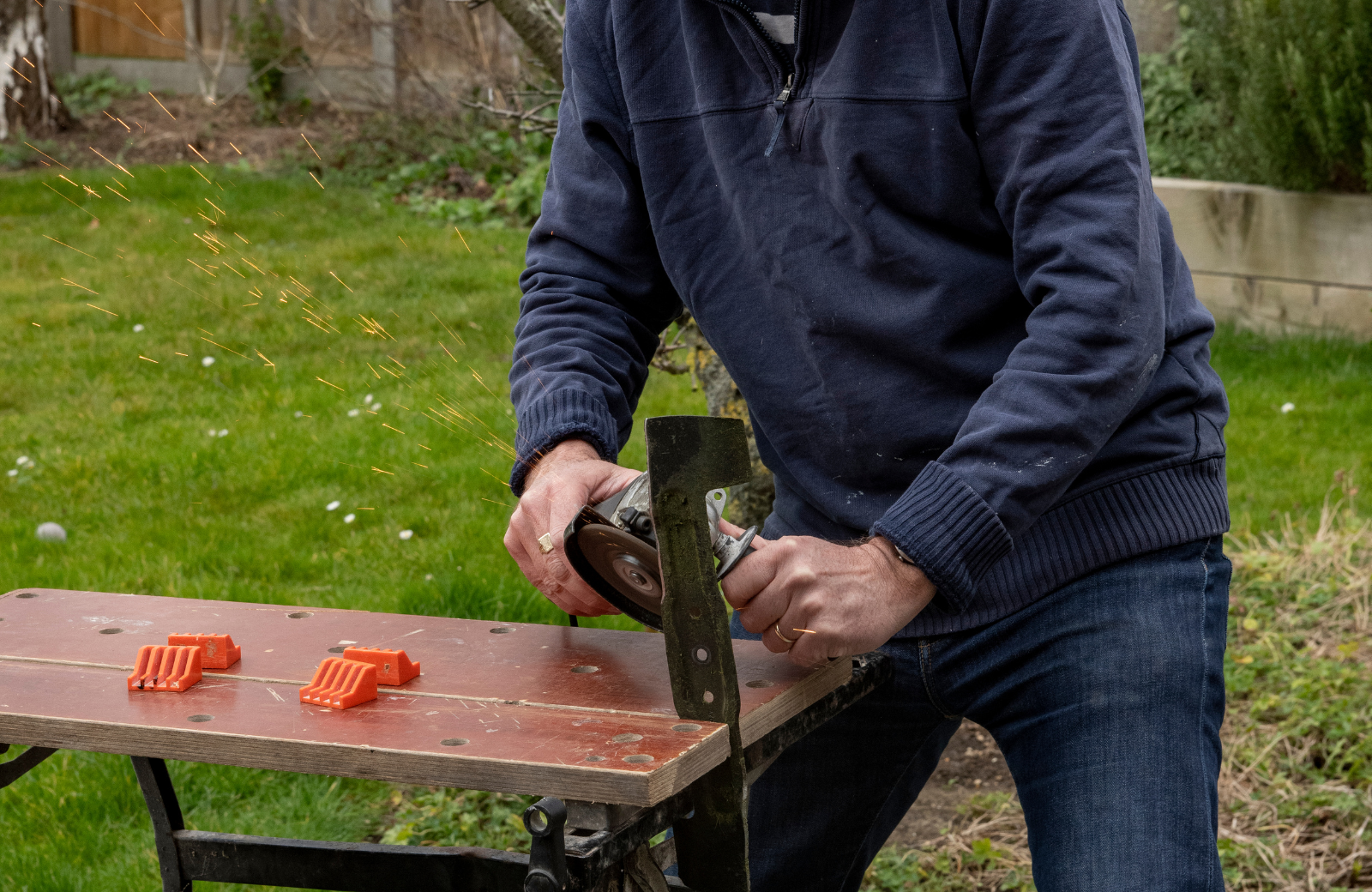
The most common mowing mistakes are cutting too short, mowing with a dull blade, and cutting wet grass. Each one weakens the lawn and undoes the good work of a well-timed mow.
A dull blade is a quiet lawn killer. Clemson Cooperative Extension explains that dull blades tear and bruise the grass, which leaves ragged brown tips and makes the plants more open to disease and insects.
Here are the habits worth breaking this season:
- Scalping the lawn by dropping the deck too low in one pass.
- Mowing wet grass, which tears blades and clogs the mower.
- Running a dull blade that shreds instead of slicing.
- Mowing the same direction every time, which packs the soil and bends the grass one way.
- Cutting in the heat of midday when the lawn is already stressed.
Changing your direction each mow is an easy fix with a big payoff. It keeps the grass growing upright and helps prevent ruts and compaction over time.
Does the Best Time to Mow Change Through the Seasons?
Yes, the best time to mow shifts with the seasons because your grass grows at very different speeds through the year. Spring and fall bring the fastest growth for cool-season fescue, while summer is prime time for warm-season Bermuda and Zoysia.
In spring, growth takes off as the soil warms and the rain returns. You mow more often now, sometimes every five to seven days, and you keep the blade sharp after a winter in the shed.
Summer is when timing matters most in our heat. You raise the deck, mow in the cooler morning or evening hours, and never cut a stressed, thirsty lawn in the middle of a hot afternoon.
Fall is the recovery season, and it is one of the most important times of year for a healthy lawn. Cool season grass rebounds from summer, so you return to a regular schedule and keep mowing until growth slows near the first hard frost.
Winter is the season to rest the mower for most lawns. Warm season grasses go dormant and brown, so you mostly clear leaves and debris rather than cut, then start fresh when green up arrives in spring.
Matching your mowing to the season is exactly the kind of steady care that keeps a lawn thick and green. It is also the part homeowners tell us they most love handing off, so they can enjoy the yard instead of tracking the calendar.
Frequently Asked Questions About the Best Time to Mow Lawn
Is it better to mow in the morning or evening?
Mid-morning after the dew dries and late afternoon are both excellent, and either beats midday. Morning gives the cut all day to heal, while late afternoon avoids the peak heat, so pick whichever fits your schedule as long as the grass is dry.
Should you mow the lawn when it is wet?
No, mowing wet grass tears the blades, clogs the mower, and can spread disease across the yard. Wait until the dew or rain has dried and the grass stands up on its own before you start.
How short should you cut your grass?
Cut to the recommended height for your grass type, which is about 1 to 2 inches for most warm season grasses and 3 to 3.5 inches for tall fescue in summer. Never remove more than one third of the blade in a single mow, no matter the height.
How often should you mow in summer?
Warm season grasses often need mowing once a week or even more in peak summer, while cool season fescue slows down and needs it less. Let the one-third rule guide you, and mow whenever the grass has grown about a third above its target height.
Does mowing height really affect weeds?
Yes, taller grass shades the soil and blocks the sunlight that weed seeds need to sprout. Mowing too short opens the canopy and invites crabgrass and other weeds to take hold, so keeping the right height is a simple, free form of weed control.
Can mowing too often hurt the lawn?
Mowing on a healthy schedule helps the lawn, but cutting too short or too aggressively does more harm than mowing frequency alone. Focus on the one-third rule and the right height, and let the grass tell you when it is ready for the next pass.
Let Us Keep Your Lawn Looking Its Best
We Mow on Time, Every Time
Perfect timing is hard to hit every week when work and family come first. We show up on a steady schedule, mow at the right height for your grass, and keep your blades sharp so every cut is clean.
No Contracts, Just a Great-Looking Yard
Our seasonal mowing service is simple and flexible, with no long commitment to worry about. We handle the mowing, edging, and cleanup so your weekends are yours again.
Get Your Free Quote Today
Ready to hand off the mower for good? Call us at 919.673.3956 or request your free quote, and we will help you enjoy a healthy, sharp-looking lawn without the weekly grind.